
Short Answer
To prevent fence posts from rotting at ground level, use pressure-treated or naturally rot-resistant wood, ensure proper drainage with gravel backfill, slope concrete away from the post, and apply protective sealants at the soil line. Keeping moisture away from the critical ground-contact zone is the key to long-term durability.
Why This Question Matters
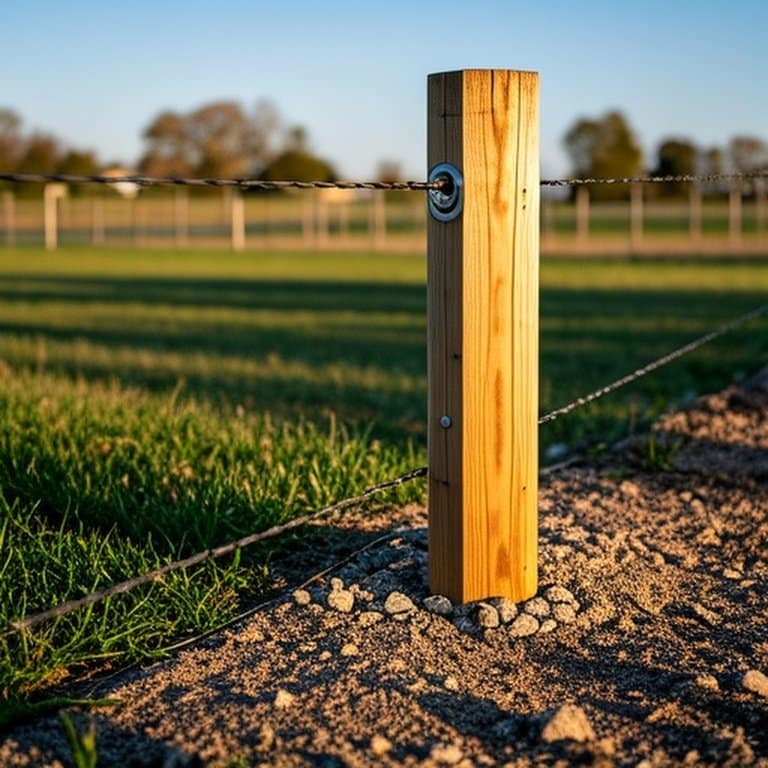
Most fence posts do not fail underground — they fail right at ground level. This narrow band, where soil, moisture, and oxygen meet, creates the perfect environment for fungal decay. Even strong posts can weaken rapidly if water collects around the base.
For livestock fencing, a rotted post compromises wire tension and overall fence stability. Leaning posts lead to sagging wire, increased strain on corner braces, and eventual structural failure.
Preventing rot at the soil line extends fence lifespan by years — sometimes decades — and significantly reduces long-term replacement costs and labor.
Key Factors to Consider
- Use ground-contact rated pressure-treated lumber
- Improve drainage around the post base
- Avoid trapping moisture with poor concrete installation
- Protect exposed soil-line areas with sealants
- Consider climate and soil moisture levels
Detailed Explanation
Ground-level rot occurs because this area experiences constant wet-dry cycling. Rainwater soaks into soil, evaporates upward, and repeatedly wets the wood fibers. Fungi thrive in this oxygen-rich zone, especially when wood remains damp for extended periods.
Using pressure-treated wood rated for ground contact (UC4A or higher) is the first line of defense. These posts are infused with preservatives designed specifically to resist decay and insect damage. Naturally rot-resistant species such as black locust and cedar also perform well, though durability varies by climate.
Proper installation plays an equally important role. Backfilling the bottom of the hole with 4–6 inches of crushed gravel improves drainage and prevents standing water. If concrete is used, it should be crowned or sloped away from the post at the top. Flat concrete surfaces trap water and accelerate decay.
Applying a wood preservative or bituminous coating at and slightly above the soil line adds an extra barrier. This is particularly helpful in wet climates or heavy clay soils that retain moisture.
In short, preventing rot is less about one product and more about combining rot-resistant materials with good drainage and smart installation practices.
How Cattle Behavior Affects This Choice
Cattle rubbing or leaning on posts increases stress at ground level — the exact area most vulnerable to rot.
If decay begins at the soil line, even minor livestock pressure can cause sudden structural failure.
Calves vs Mature Cattle Considerations
Calves exert minimal force, making minor soil-line weakening less immediately dangerous.
Mature cattle, however, can quickly push over partially rotted posts under fence tension.
Terrain, Visibility, and Pressure Zones
Low-lying or poorly drained areas create higher moisture exposure at ground level.
Corner posts and gate posts face higher stress and should receive maximum protection against rot.
When This Works Well
- Well-drained soil with gravel backfill
- Properly crowned concrete installation
- Use of UC4-rated treated lumber
- Routine inspection of soil-line condition
- Moderate rainfall climates
When This Is Not Recommended
- Untreated wood buried directly in wet clay soil
- Concrete poured flat, trapping water at the base
- No gravel drainage layer in high-moisture zones
- Low-quality treated lumber not rated for burial
- Areas with persistent standing water
Alternatives or Better Options
Steel Posts
Steel T-posts eliminate rot risk entirely at ground level. They work well for line posts but may require wood or steel braces for corners.
Concrete or Composite Posts
Non-wood posts provide maximum resistance to decay, though they increase material cost and installation complexity.
Post Sleeves or Barriers
Plastic or composite post sleeves installed at the soil line can reduce direct moisture contact and extend post life.
Cost, Safety, and Practical Notes
Pressure-treated posts are cost-effective when properly installed with drainage. However, cutting treated wood exposes untreated interior wood, which should be resealed.
Gravel backfill adds minimal cost but significantly improves lifespan. Poor drainage is often more damaging than wood quality alone.
Applying additional preservative coatings increases upfront labor but may double soil-line durability in wet climates.
Replacing rotted posts is far more labor-intensive than preventing rot during installation.
Quick Takeaway
Fence posts rot most often at ground level due to trapped moisture and fungal decay. Use ground-contact rated treated wood, ensure proper drainage, slope concrete away from the post, and protect the soil-line zone. Combining material quality with smart installation is the most reliable way to prevent premature failure.