
Short Answer
The best way to fix a sagging wire fence is to release tension safely, re-stretch the wire using a fence stretcher or come-along, secure it tightly to solid end or corner posts, and reinforce weak line posts if needed. If sagging is caused by post failure or wire damage, those issues must be corrected before re-tensioning.
Why This Question Matters
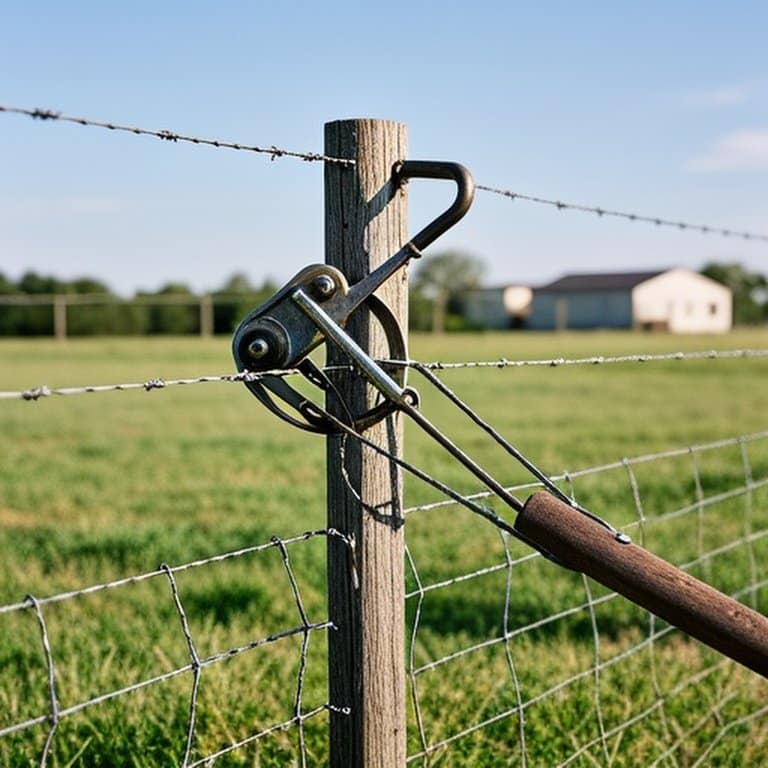
A sagging wire fence is more than a cosmetic issue. Loose wire reduces containment effectiveness, increases livestock pressure on posts, and can lead to escapes or injuries. In woven wire or high-tensile systems, uneven tension transfers stress to adjacent posts, accelerating structural failure.
Ignoring sagging also shortens the lifespan of your fence. Wire that repeatedly flexes in wind or under animal pressure fatigues faster and may eventually snap. Fixing sagging correctly—rather than simply pulling it tight—ensures the fence maintains structural balance and long-term stability.
Key Factors to Consider
- Type of wire: woven, barbed, or high-tensile
- Condition of end and corner brace assemblies
- Post spacing and stability
- Length of sagging section
- Cause: wire stretch, post shift, or soil movement
Detailed Explanation
Sagging usually occurs for one of three reasons: wire stretch over time, post movement, or failed tension anchors. Before tightening anything, identify the root cause. If an end post has shifted or a brace wire has loosened, re-stretching alone will not solve the problem.
For woven or barbed wire fences, the proper method is to detach the wire at one end, apply a fence stretcher or come-along, and pull the wire evenly back to correct tension. The tension should be firm but not excessive—over-tightening can warp posts or weaken staples.
In high-tensile systems, use in-line tensioners or ratchet strainers. These allow controlled tightening without removing staples. Always check that corner brace assemblies are stable before applying load. Weak brace posts can fail suddenly under increased tension.
If sagging occurs between line posts, inspect for leaning or loose posts. Tightening wire without stabilizing posts can worsen the issue. Reinforce weak posts with steel T-posts or reset them properly before restoring tension.
By this point, it should be clear that proper correction involves diagnosing the structural cause, not just pulling the wire tighter.
How Cattle Behavior Affects This Choice
Cattle frequently lean and rub against fences, especially near feeding areas or shade lines. This repeated lateral pressure stretches wire gradually and loosens staples. In high-pressure zones, simply tightening wire may provide only temporary relief. Reinforcing posts and adding offset electric wire may reduce future sagging.
Calves vs Mature Cattle Considerations
Calves apply less force, so moderate re-tensioning often restores stability. Mature cattle, especially heavier breeds, generate significantly more pressure. If sagging appears in adult cattle paddocks, check brace assemblies carefully before tightening, as the underlying structure may already be compromised.
Terrain, Visibility, and Pressure Zones
Fences on slopes or in wet soil areas are more prone to sagging due to soil shift. Temperature changes also affect wire tension—cold contracts wire, heat expands it. Sagging that appears seasonally may require adjustable tensioners rather than fixed staples.
When This Works Well
- End posts and braces remain solid
- Wire is intact without corrosion
- Sagging is due to normal stretch over time
- Soil around posts is stable
- Tension can be restored evenly along the line
When This Is Not Recommended
- Corner brace assembly is weak or shifting
- Wire shows heavy rust or fatigue
- Posts are rotted or leaning significantly
- Multiple sections are sagging simultaneously
- High-tensile wire is over-stressed
Alternatives or Better Options
Install In-Line Wire Tensioners
Allows seasonal adjustment without detaching wire. Ideal for high-tensile systems and long runs exposed to temperature fluctuation.
Upgrade Corner Brace Assemblies
If sagging repeats, strengthening brace posts and adding proper H-bracing improves load distribution permanently.
Add Offset Electric Wire
Reducing cattle pressure prevents future sagging by discouraging leaning and rubbing.
Cost, Safety, and Practical Notes
Fixing sagging wire is typically inexpensive if structural posts are sound. A come-along, stretcher bar, or ratchet tensioner are affordable tools that restore proper tension quickly.
However, safety is critical. High-tensile wire stores significant energy and can recoil if released improperly. Always wear gloves and eye protection. Release tension gradually and ensure all helpers stand clear before tightening.
Avoid over-tensioning. Wire should be tight enough to resist livestock pressure but not so tight that it pulls posts inward or causes staple pull-out.
Long-term stability depends on balanced tension and strong brace assemblies—not maximum tightness.
Quick Takeaway
The best way to fix a sagging wire fence is to identify the cause, stabilize posts and braces first, then re-stretch the wire evenly using proper tensioning tools. Simply pulling wire tighter without structural inspection often leads to repeated failure. Balanced tension and solid bracing are the keys to long-term fence stability.