
Short Answer
You can tighten a loose fence without rebuilding it by re-tensioning the existing wire using a fence stretcher or come-along, securing loose staples or clips, and reinforcing weak posts or braces. As long as the posts are stable and the wire isn’t severely stretched or corroded, restoring proper tension can return the fence to full working strength.
Why This Question Matters
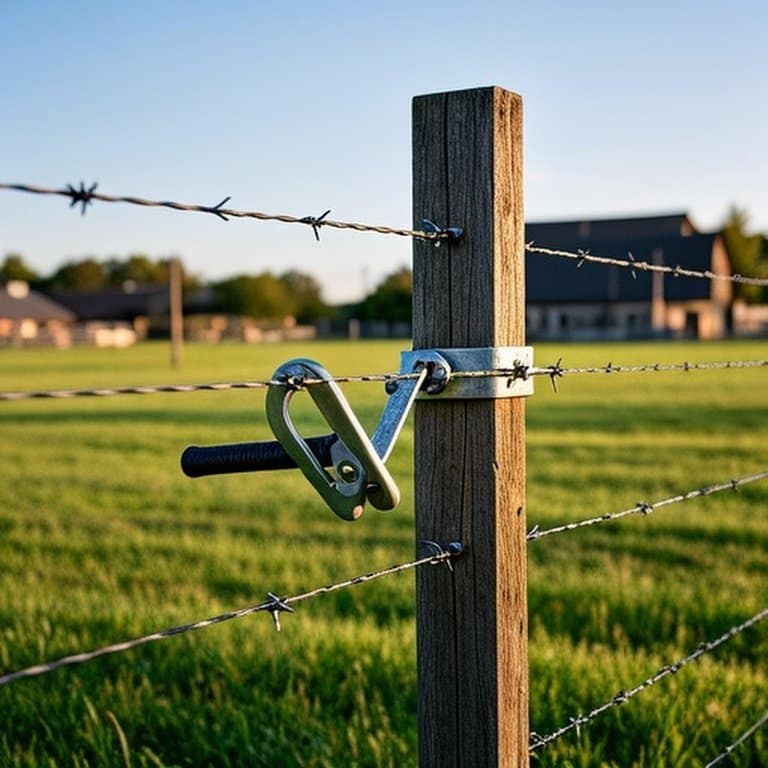
A loose fence is often the first sign of structural weakness. Sagging wire allows livestock to push through, lean on the fence, or widen gaps over time. However, complete fence replacement is expensive and labor-intensive. Many cases of looseness result from gradual tension loss rather than full structural failure.
Understanding how to tighten a fence properly helps you extend its lifespan, maintain containment safety, and avoid unnecessary rebuilding costs. Acting early—before posts fail or wire permanently deforms—can save significant time and money while keeping animals secure.
Key Factors to Consider
- Condition of posts and brace assemblies
- Type of fence (woven, barbed, high-tensile)
- Degree of wire stretch or corrosion
- Availability of proper tensioning tools
- Livestock pressure in that fence section
Detailed Explanation
The first step is determining why the fence is loose. If posts are leaning or braces have shifted, tension alone will not solve the issue. Tightening wire against unstable posts can cause further movement or failure. Always inspect and stabilize posts before applying new tension.
For woven or barbed wire fences, release tension safely at one end if needed. Attach a fence stretcher or come-along to the wire and gradually pull it tight. Avoid sudden force. The goal is firm, consistent tension—not extreme tightness that overstresses staples or posts. Once properly tensioned, re-secure the wire with staples or clips at anchor points.
High-tensile systems may require in-line strainers to re-adjust tension. These allow controlled tightening without removing the wire. If the wire has permanently stretched or lost elasticity, re-tensioning may only provide temporary improvement.
Finally, secure loose fasteners along intermediate posts. Often, sagging is caused by staples pulling out or posts shifting slightly over time. Re-driving staples at proper angles restores alignment and helps maintain even wire height.
When posts are sound and wire integrity remains intact, tightening is a highly effective repair strategy that restores performance without rebuilding.
How Cattle Behavior Affects This Choice
Cattle frequently lean, rub, or apply lateral pressure to fence lines. If looseness resulted from repeated pressure, consider adding reinforcement such as offset electric wire or stronger corner bracing. Simply tightening without reducing pressure may lead to recurring sagging.
Calves vs Mature Cattle Considerations
Calves exploit small gaps and sagging areas more than mature cattle. In mixed herds, ensure the bottom wire height is restored properly during tightening. Mature cattle exert stronger force, so corner posts must be especially secure before re-tensioning.
Terrain, Visibility, and Pressure Zones
Low spots, corners, and water access points experience greater strain. Fences on slopes may appear loose due to uneven ground rather than tension failure. Adjust tension evenly while maintaining proper ground clearance.
When This Works Well
- Posts and braces remain structurally stable
- Wire shows minimal corrosion or permanent stretching
- Sagging developed gradually over time
- Proper tensioning tools are available
- Damage is limited to a specific section
When This Is Not Recommended
- Multiple posts are leaning or rotting
- Wire strands are broken or heavily corroded
- Corner brace assemblies have failed
- Soil erosion undermines post stability
- Wire elasticity is permanently compromised
Alternatives or Better Options
Install In-Line Strainers
Adding strainers allows future tension adjustments without removing wire, especially useful for high-tensile systems.
Reinforce Corner and End Braces
If sagging repeats, upgrading brace assemblies may provide longer-term stability than repeated tightening.
Add Electric Offset Wire
An offset electric strand reduces livestock leaning, extending fence tension life and reducing future sagging.
Cost, Safety, and Practical Notes
Tightening a fence is significantly less expensive than rebuilding, typically requiring only labor and minimal hardware. However, improper tensioning can damage posts or cause wire recoil injuries. Always use controlled tension tools and wear gloves and eye protection.
Avoid over-tightening. Excessive tension can snap aging wire or loosen staples. Balanced tension—not maximum force—is the goal. If repeated tightening is required within short intervals, structural components may need replacement instead.
Quick Takeaway
You can tighten a loose fence without rebuilding it by restoring balanced wire tension, securing fasteners, and reinforcing stable posts. When the structure remains sound, controlled re-tensioning extends fence life and maintains livestock containment without major reconstruction.