
Short Answer
After high winds damage a fence, the first thing to check is structural integrity—especially corner posts, brace assemblies, and any leaning line posts. Before tightening wire or replacing panels, confirm that posts are stable and properly anchored. Wind damage usually begins at the structural level, not the surface.
Why This Question Matters
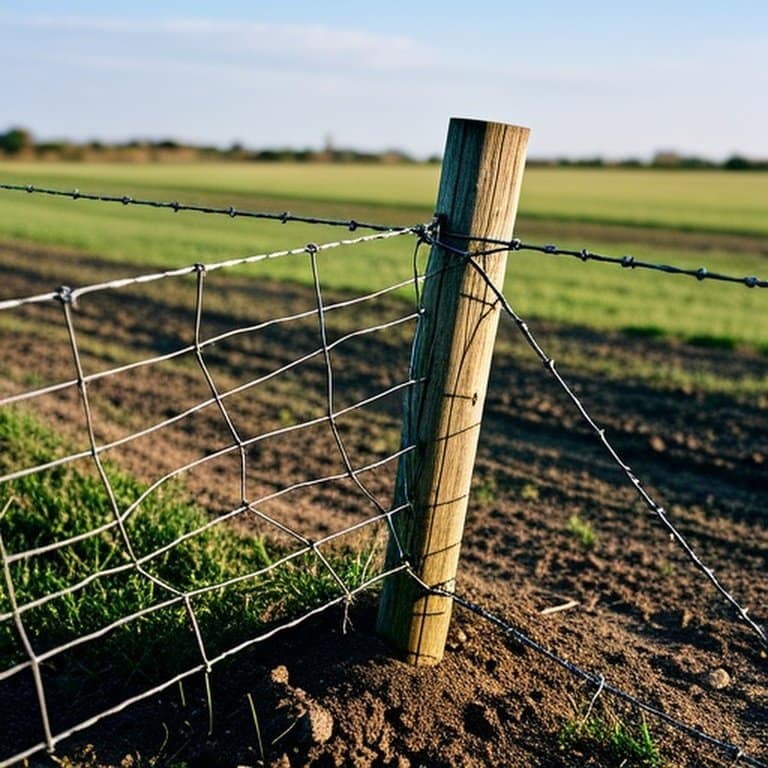
High winds apply lateral force across the entire fence line, concentrating stress on corners, braces, and posts set in saturated or shallow soil. What looks like minor sagging wire may actually signal shifting posts or weakened anchors below ground. If you tighten wire without correcting structural movement, tension increases on unstable posts and leads to repeated failure.
For livestock fencing, structural weakness creates serious containment risks. Animals quickly exploit loose sections, and pressure from cattle or horses can accelerate collapse. Proper inspection order prevents wasted repairs, reduces labor repetition, and helps identify whether the damage is cosmetic, structural, or systemic. Checking the right components first saves time, cost, and long-term stability.
Key Factors to Consider
- Stability of corner posts and brace assemblies
- Soil movement or erosion around post bases
- Degree of lean in line posts
- Uneven or overstretched wire tension
- Debris impact or fallen tree damage
Detailed Explanation
Wind does not typically “break” fences first—it loosens what was already stressed. The majority of wind damage originates at the corners, where fence tension is anchored. Corner posts absorb cumulative load from the entire fence run. When wind pressure pushes against woven wire or panel fencing, that force transfers directly into these structural points. If corners shift even slightly, tension across the line changes immediately.
Begin by inspecting every corner and end post. Push gently against them to test movement. If they wobble or lean, the problem is structural. Check brace wires or diagonal supports for slackness. A loose brace often signals that wind torque shifted the post underground. Repairing wire without correcting brace tension will not hold.
Next, walk the line posts. Look for tilting, exposed soil gaps, or soft ground around bases. High winds often coincide with rain, which reduces soil compaction. Posts set in saturated ground may lean without breaking. Resetting and tamping these posts restores strength before any wire adjustments are made.
Only after confirming structural stability should you evaluate the fence surface. Check for sagging sections, broken fasteners, stretched wire, or detached clips. In many cases, once posts are stabilized, minor sagging corrects itself with proper re-tensioning.
Finally, inspect for hidden impact damage. Flying debris can crack wooden posts or kink wire strands. These weak points may not fail immediately but can compromise long-term durability. Structural assessment first, surface repair second—this sequence prevents repeated damage.
By following this inspection order, you address root causes rather than symptoms.
Why Corner Posts Fail First in Wind Events
Corner posts anchor the tension of the entire fence run. When wind pushes against fencing material, especially woven wire or solid panels, the force multiplies at these anchor points.
If brace wires loosen or diagonal supports shift, the corner loses resistance. Even slight movement alters wire tension across dozens or hundreds of feet. Reinforcing or resetting corners early prevents widespread instability along the fence line.
How Saturated Soil Contributes to Hidden Damage
Wind damage is often compounded by rainfall. Wet soil reduces friction and holding power around posts. Clay expands and softens; sandy soils wash away more easily.
Even if posts remain upright, soil movement may have reduced long-term stability. Press firmly around each base to detect looseness. Compacting soil or adding gravel may be required before tightening wire.
Surface Damage vs Structural Damage
Surface damage includes sagging wire, detached staples, or broken clips. Structural damage involves post movement, brace failure, or foundation erosion.
Surface issues are easy to see. Structural issues require testing stability. Always prioritize structure because surface repairs depend entirely on solid anchoring.
When This Works Well
- Damage appears limited to sagging or loose wire
- Corner posts remain upright and stable
- Soil erosion is shallow and localized
- No major debris impact is visible
- Inspection occurs immediately after the wind event
When This Is Not Recommended
- Multiple corner posts are leaning
- Flooding caused severe soil washout
- Fence sections collapsed entirely
- Posts snapped or cracked at ground level
- More than one fence run shows structural shift
Alternatives or Better Options
Full Corner Reinforcement Upgrade
If corners repeatedly loosen after storms, upgrading to double H-brace assemblies significantly improves wind resistance.
Switch to High-Tensile Wire Systems
High-tensile fencing flexes under wind load rather than resisting it fully, reducing stress on posts.
Add Wind Break Sections
Strategic wind breaks or partial mesh removal in high-exposure zones can reduce wind pressure across long fence runs.
Cost, Safety, and Practical Notes
Initial inspection costs little beyond time, but ignoring structural instability can lead to full fence replacement. Resetting posts and reinforcing braces is labor-intensive but far less expensive than rebuilding long sections.
Safety is critical during inspection. Wind-damaged wire may be under uneven tension and can snap unexpectedly. Release tension cautiously before cutting or tightening. Wear gloves and eye protection at all times.
If livestock are nearby, temporary containment may be necessary before beginning repairs. Animals often test weakened sections immediately after storms.
Practical durability depends on correcting soil stability and anchor strength—not simply tightening wire.
Quick Takeaway
After high winds damage a fence, check structure first—corners, braces, and post stability. Wind stress begins at anchor points, not wire. Stabilize posts before tightening or patching. Address soil movement and brace tension early to prevent repeated failures in future storms.