
Short Answer
Yes, strong winds can gradually loosen fence posts over time, especially if posts are shallow, poorly compacted, or installed in loose or saturated soil. Repeated lateral pressure from wind acting on fence panels or wire creates micro-movement in the soil, eventually reducing post stability and leading to leaning or failure.
Why This Question Matters
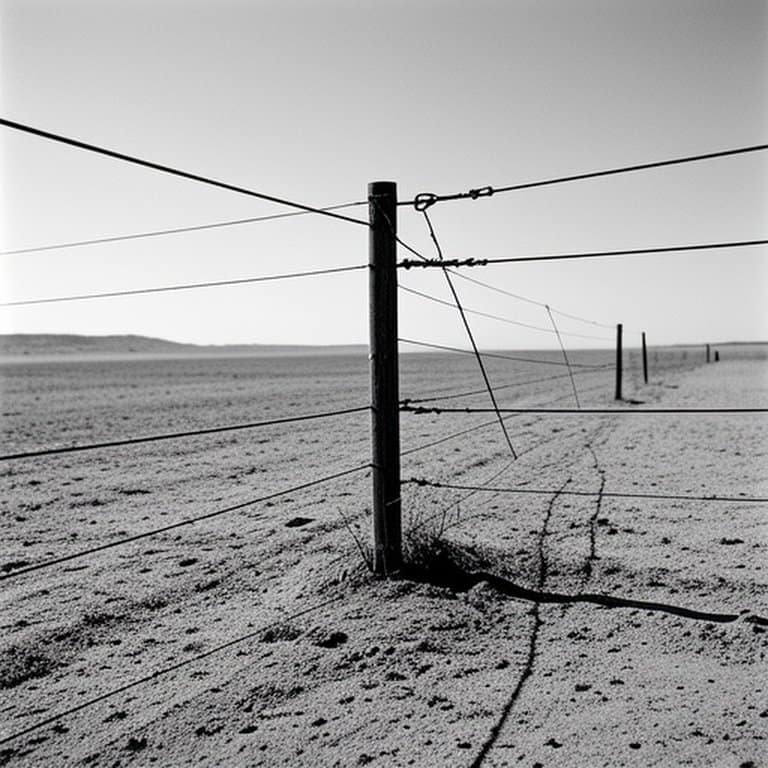
Fence failure caused by wind rarely happens in a single dramatic event. Instead, it develops slowly. Each windstorm applies lateral force to the fence surface. Solid panel fences and tightly stretched wire systems act like sails, transferring pressure directly to posts and corner braces.
If posts were not set deep enough or soil compaction was weak, that repeated movement gradually widens the soil gap around the post. Over time, small shifts become visible leaning. Eventually, the entire fence line may sag or pull loose, especially at corners and end posts where tension is concentrated.
For livestock fencing, weakened posts increase escape risk and reduce fence lifespan. Many owners assume wind only damages lightweight residential fencing, but agricultural fencing in open fields is often exposed to higher sustained wind loads. Understanding how wind pressure works allows you to prevent long-term structural degradation rather than reacting after collapse.
Key Factors to Consider
- Post depth relative to fence height
- Soil type and drainage quality
- Fence material surface area exposed to wind
- Presence and strength of corner bracing
- Wind direction patterns and open-field exposure
Detailed Explanation
Wind applies horizontal force across the fence surface. The more solid the fence, the greater the force. Privacy panels and solid boards capture more wind than woven or barbed wire. Even wire fencing, however, transfers force to posts when stretched tightly across long spans.
Each gust slightly shifts the post within the surrounding soil. If soil is loose, sandy, or frequently wet, it offers less resistance to lateral movement. This micro-movement is often invisible at first. Over months or years of wind exposure, the soil compacts unevenly, forming voids around the post base.
Corner and end posts experience the highest stress. They carry wire tension plus wind load. Without proper bracing systems, wind pressure increases rotational stress at the base of the post. This often causes posts to lean in the direction of prevailing winds.
Shallow installation is a major contributor. Posts set only 18–24 inches deep are more vulnerable in windy areas. Deeper installation increases soil contact surface and improves resistance to overturning forces.
Drainage also plays a critical role. Saturated soil during storm seasons reduces holding strength, allowing wind loads to shift posts more easily. Gravel backfill improves drainage and compaction compared to soil-only installation.
The process is gradual. Wind rarely “rips out” a properly installed fence. Instead, it slowly weakens marginal installations. Proper depth, compaction, bracing, and drainage significantly reduce long-term loosening caused by wind exposure.
How Fence Type Influences Wind Impact
Solid wood or vinyl fencing captures maximum wind load and places greater stress on posts. Woven wire and barbed wire allow partial airflow, reducing pressure but still transferring tension through braced corners.
High-tensile systems distribute force more evenly but require strong anchor assemblies to resist rotational movement.
Why Corner Posts Loosen First
Corners and end assemblies hold the combined force of fence tension and wind pressure. If diagonal braces or H-brace systems are weak, wind accelerates base rotation.
Reinforcing corner bracing is often more important than strengthening line posts.
Soil Saturation and Seasonal Wind Damage
Wind damage worsens when combined with wet seasons. Saturated soil loses friction and structural cohesion. In these conditions, even moderate wind can shift posts that were stable during dry periods.
Improving drainage around fence lines reduces this seasonal vulnerability.
When This Works Well
- Posts are set at least one-third of fence height deep
- Gravel backfill improves drainage
- Strong corner bracing is installed
- Fence design allows partial airflow
- Soil remains well-compacted year-round
When This Is Not Recommended
- Posts are shallow in high-wind regions
- Solid panel fencing lacks reinforcement
- Corners have no bracing assemblies
- Soil is sandy, loose, or frequently saturated
- Long fence runs lack tension control
Alternatives or Better Options
Install Deeper Posts in Wind-Exposed Areas
Increasing depth to one-third or more of fence height significantly improves resistance to lateral wind loads.
Upgrade Corner Bracing Systems
H-brace or diagonal brace assemblies stabilize anchor points and reduce rotational stress.
Use Semi-Permeable Fence Materials
Materials that allow airflow reduce sail effect and long-term post loosening.
Cost, Safety, and Practical Notes
Reinforcing posts after wind loosening is less expensive than replacing entire fence sections. However, retrofitting braces or resetting posts can be labor-intensive.
From a safety standpoint, leaning fences may still carry wire tension. Sudden release during adjustment can cause snap-back injuries. Always reduce tension gradually and wear protective gear.
Long-term prevention is more cost-effective than repeated seasonal repairs. In windy regions, invest in depth, drainage, and bracing during initial installation.
Quick Takeaway
Strong winds can gradually loosen fence posts by applying repeated lateral pressure that weakens soil grip. Shallow installation, poor drainage, and weak corner bracing accelerate the problem. Proper depth, gravel backfill, and reinforced anchors prevent long-term wind-related fence failure.