
Short Answer
Yes, you can spray herbicide around fence posts to control grass and weeds, but it should be applied carefully and selectively. Use targeted, low-drift application methods and avoid soaking the post base. Proper use reduces vegetation pressure, improves fence visibility, and prevents electric fence grounding without damaging posts or nearby pasture.
Why This Question Matters
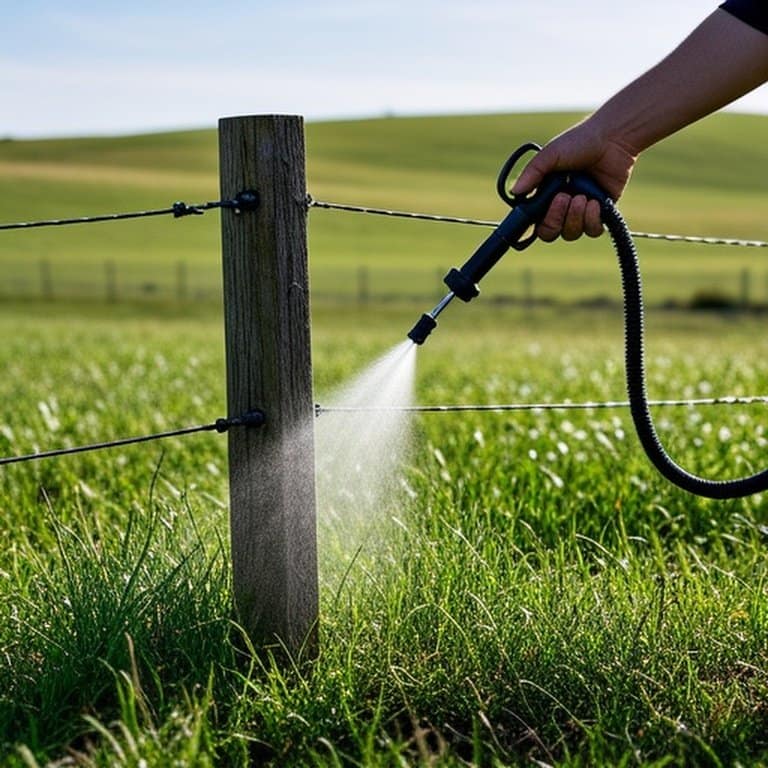
Vegetation growing around fence posts creates multiple long-term problems. Grass and weeds trap moisture against wooden posts, accelerate rot at ground level, hide early structural damage, and interfere with electric fence performance. In high-growth seasons, fence lines can quickly become difficult to inspect or maintain.
However, herbicide use raises concerns about soil health, livestock safety, and potential post damage. Overapplication can harm surrounding pasture or weaken soil structure near posts. The goal is not simply killing weeds — it is controlling vegetation in a way that supports fence longevity and animal safety. Choosing the correct method prevents future repairs while minimizing environmental risk.
Key Factors to Consider
- Fence type, especially electric vs non-electric systems
- Post material (treated wood, untreated wood, steel, composite)
- Livestock access to treated areas
- Soil drainage and erosion risk
- Local herbicide regulations and label instructions
Detailed Explanation
Spraying herbicide around fence posts can be an effective vegetation management strategy when done correctly. The primary benefit is reducing grass growth that traps moisture and contributes to post rot. Keeping a 12–18 inch vegetation-free zone improves airflow around the base and allows easier inspection for cracks, rot, or insect damage.
In electric fencing systems, herbicide use is particularly beneficial. Grass contacting lower wires drains voltage and reduces shock effectiveness. A controlled spray program maintains electrical performance while reducing the need for constant trimming. This is especially useful along long perimeter fences where mechanical mowing is time-consuming.
However, application technique matters. Broad, heavy spraying that saturates the soil can increase runoff or create bare erosion-prone patches. Concentrated chemical exposure may also affect untreated wooden posts over time. Instead, spot-spray weeds during active growth, avoid oversaturation, and keep spray drift off the post surface whenever possible.
When properly applied and used in moderation, herbicide becomes a maintenance tool rather than a structural risk. The key is targeted control, not blanket elimination.
At this stage, it should be clear that herbicide can be beneficial — but only when used carefully and strategically.
How Cattle Behavior Affects This Choice
Cattle often graze close to fence lines, especially if forage is limited. If vegetation is removed entirely around posts, animals may be more likely to push against exposed soil areas. A moderate cleared strip is ideal, but avoid creating muddy or unstable ground.
In electric fencing systems, cattle testing the boundary is common. Grass touching live wires weakens shock strength. Proper vegetation control maintains consistent deterrence and reduces fence pressure from repeated contact.
Calves vs Mature Livestock Considerations
Calves are more likely to crawl under sagging wires hidden by grass. Clearing vegetation improves visibility and reduces escape risk. However, young animals are also more sensitive to chemical exposure, so ensure treated areas are dry before allowing access.
Mature livestock exert more weight and pressure near posts. Excessively cleared soil that becomes soft after rain can reduce post stability. Maintain balance between vegetation control and soil integrity.
Terrain, Visibility, and Pressure Zones
Sloped or erosion-prone areas require careful application. Removing all vegetation can destabilize soil around posts, especially after heavy rainfall. In high-visibility areas near gates or corners, vegetation control improves inspection efficiency.
Pressure zones — such as corners and feeding access points — benefit from consistent weed control to prevent moisture buildup and structural decay.
When This Works Well
- Electric fence systems requiring reliable voltage
- Long perimeter fences difficult to mow frequently
- Areas with rapid seasonal grass growth
- Well-drained soils with low erosion risk
- Targeted spot treatment applications
When This Is Not Recommended
- Steep slopes prone to soil erosion
- Water-sensitive zones near streams or ponds
- Areas with restricted herbicide regulations
- Poorly drained soil around untreated wooden posts
- Situations where livestock cannot be temporarily excluded
Alternatives or Better Options
Mechanical Trimming Only
String trimming or mowing avoids chemical exposure but requires consistent labor throughout the growing season.
Gravel Strip Installation
A narrow gravel band around posts suppresses weeds long term while improving drainage and reducing rot risk.
Landscape Fabric Barrier
Effective in small paddocks or high-traffic areas, though less practical for long fence lines.
Cost, Safety, and Practical Notes
Herbicide is relatively low-cost per application but requires repeated seasonal treatment. Labor savings can offset chemical expense, especially for long fence lines. Always follow label instructions and local regulations.
From a safety perspective, turn off electric fences before spraying. Allow adequate drying time before livestock re-entry. Avoid windy conditions to prevent spray drift.
Practically, the most effective strategy combines limited herbicide use with routine inspection and occasional mechanical trimming. Overuse can create erosion or pasture damage, while underuse increases maintenance labor.
Quick Takeaway
Yes, spraying herbicide around fence posts can be effective — especially for electric fencing — but it must be applied selectively and responsibly. Maintain a controlled vegetation-free strip without oversaturating soil or weakening post stability.