
Short Answer
Most livestock fence lines should be mowed every 3–6 weeks during peak growing season and at least once before winter. The exact frequency depends on rainfall, grass growth rate, fence type, and whether it’s electrified. Electric fences typically require more frequent mowing to prevent vegetation from reducing voltage.
Why This Question Matters
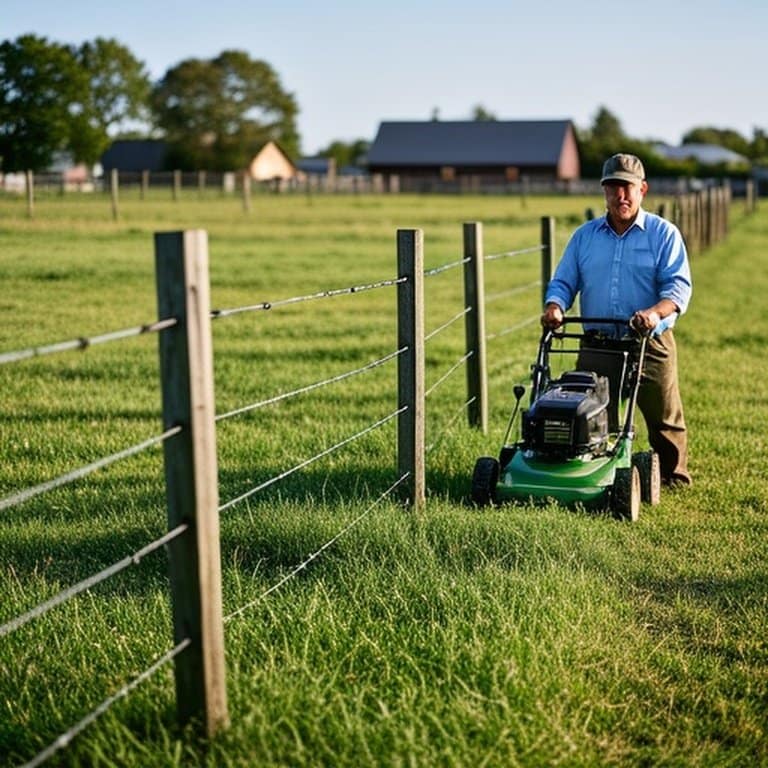
Vegetation control along a livestock fence is not just about appearance—it directly affects fence performance, longevity, and animal containment. Overgrown grass and weeds can hide sagging wires, trap moisture against wooden posts, and short out electric fencing systems. If mowing is neglected, small maintenance issues often go unnoticed until animals start pushing or escaping.
Many producers either mow too often, wasting time and fuel, or not often enough, allowing vegetation to compromise the fence. Establishing a consistent mowing schedule based on growth conditions helps balance labor efficiency with reliable containment. Understanding when and why to mow reduces long-term repair costs and improves fence reliability across seasons.
Key Factors to Consider
- Electric vs non-electric fence systems
- Rainfall and seasonal growth rates
- Height of lowest fence wire
- Soil fertility and weed pressure
- Livestock density and fence pressure zones
Detailed Explanation
The ideal mowing frequency depends largely on vegetation growth speed. In regions with moderate rainfall and average soil fertility, grass along a fence line may reach problematic height within three to four weeks during spring and early summer. In drier climates, mowing intervals may extend to five or six weeks without performance issues.
Electric fences require stricter mowing schedules. When tall grass touches the hot wire, it gradually drains voltage through grounding contact. Even minor contact points add up across long fence runs. If voltage drops below effective levels, livestock may test the fence. For electric systems, mowing should occur before vegetation reaches the lowest hot wire—not after voltage has already dropped.
For non-electric fences such as woven wire or barbed wire, mowing primarily improves visibility and prevents moisture buildup. Overgrown weeds can hide broken staples, sagging wires, or leaning posts. Thick vegetation also holds moisture against wood posts, accelerating rot.
Seasonal timing matters. Spring growth is typically the fastest and requires more frequent mowing. Late summer and fall often allow longer intervals. Before winter, clearing vegetation helps reduce snow or ice accumulation that can weigh down wires.
In short, mowing frequency should follow vegetation growth, not a fixed calendar date. Regular inspection determines whether mowing is necessary, preventing both under- and over-maintenance.
How Cattle Behavior Affects This Choice
Cattle are more likely to challenge fences near feed, water, or fresh pasture. In these pressure zones, vegetation growth can conceal weak spots. If grass hides a sagging electric wire, cattle may test it more easily.
Regular mowing improves fence visibility, reinforcing the psychological barrier that electric systems rely on.
Calves vs Mature Cattle Considerations
Calves are smaller and more likely to slip under lower wires if grass conceals gaps. Keeping vegetation trimmed ensures lower strands remain visible and effective.
Mature cattle exert more pressure. If overgrown vegetation hides leaning posts or stretched wire, structural weakness may go unnoticed until failure occurs.
Terrain, Visibility, and Pressure Zones
Low areas with better soil moisture produce faster vegetation growth. Fence lines along drainage paths often require more frequent mowing.
Corners, gates, and shaded tree lines also experience heavier growth and should be inspected more often than straight perimeter sections.
When This Works Well
- Regular seasonal inspections guide mowing timing
- Electric fences are monitored with a voltage tester
- High-growth months are prioritized for maintenance
- Fence lines are accessible for equipment
- Pressure zones receive additional attention
When This Is Not Recommended
- Extremely rocky terrain where mowing damages equipment
- Areas better managed with herbicide strips or gravel
- Remote sections rarely accessed by livestock
- Low-growth climates with minimal vegetation pressure
- Fences elevated well above typical grass height
Alternatives or Better Options
Install a Vegetation Barrier Strip
Gravel or landscape fabric below fence lines reduces mowing frequency and limits weed contact with hot wires.
Use Targeted Herbicide Application
Spot-spraying directly under the lowest wire can reduce the need for repeated mowing.
Raise the Lowest Electric Wire Slightly
Increasing clearance reduces frequent vegetation contact in fast-growing regions.
Cost, Safety, and Practical Notes
Fuel, equipment wear, and labor are the primary costs of regular mowing. However, these are typically lower than repairing livestock escapes or replacing damaged fence components caused by unnoticed weaknesses.
From a safety perspective, overgrown vegetation hides hazards such as loose wires or fallen posts. Regular mowing improves inspection visibility and reduces injury risk when walking the fence line.
Practically, the most efficient strategy is inspection-based scheduling. Walk or ride the fence line every few weeks during peak growth. If vegetation approaches the lowest wire or obscures visibility, mow. This approach balances efficiency with performance.
Quick Takeaway
Most livestock fences should be mowed every 3–6 weeks during peak growth, with electric fences requiring more frequent attention. The correct schedule follows vegetation growth, not the calendar. Regular inspection ensures mowing supports fence performance without unnecessary labor.