
Short Answer
Yes, it is generally safe to use a weed trimmer near wire fencing, but only if done carefully. The main risks are damaging the wire coating, cutting electric lines, or causing debris to fly back toward the operator. Turning off electric fences, maintaining proper distance, and using controlled trimming techniques significantly reduce the risk.
Why This Question Matters
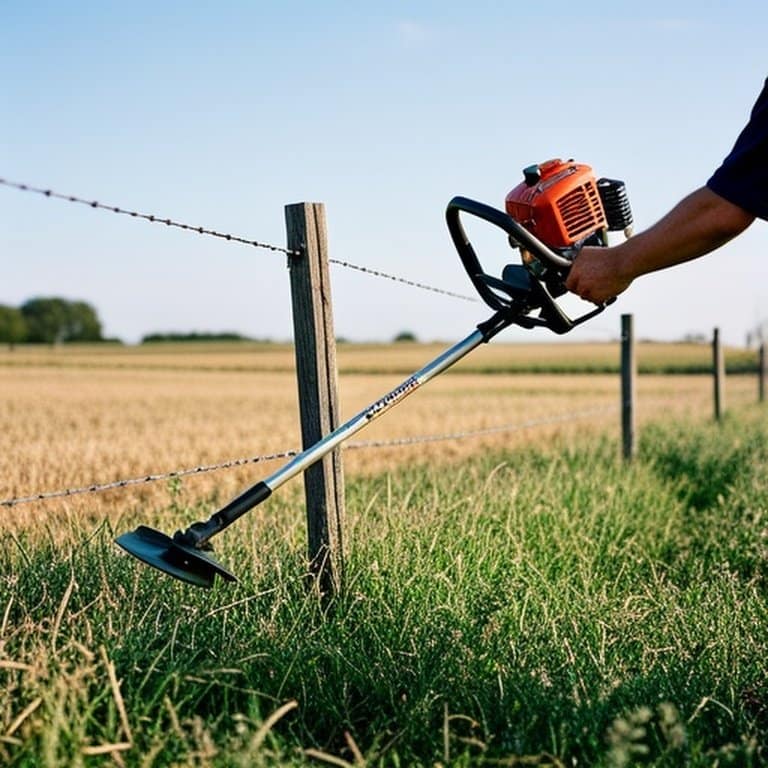
Fence-line trimming is routine maintenance on livestock properties, but it can unintentionally cause damage. A spinning trimmer line can nick galvanized wire, weaken electric strands, or chip protective coatings. Over time, repeated contact may lead to corrosion, voltage loss, or structural weakness.
Safety is also a concern for the operator. Wire fencing can catch the trimmer line, snap it, or deflect debris. Electric fencing adds another layer of risk if left energized. Many fence problems blamed on “wear and tear” are actually caused by careless trimming practices. Understanding how to trim safely protects both the fence system and the person doing the work.
Key Factors to Consider
- Whether the fence is electrified or grounded
- Type of wire (barbed, smooth, coated, high-tensile)
- Distance between ground and lowest wire
- Operator skill and trimmer control
- Frequency of trimming near the same section
Detailed Explanation
Using a weed trimmer near wire fencing is safe when the operator prioritizes control and precision. The most important step is turning off any electric fence before trimming. Even insulated lines can arc if vegetation bridges the gap, and accidental contact increases equipment wear.
The trimming technique matters more than the tool itself. Instead of aggressively striking vegetation against the wire, the operator should angle the trimmer head slightly away from the fence and work parallel to the line. This reduces direct contact and protects the wire coating. Constant impact against galvanized or coated wire can scrape protective layers, increasing rust risk.
Different fence types require different caution levels. Barbed wire can shred trimmer line instantly, causing snapping and recoil. High-tensile smooth wire can vibrate under impact, potentially loosening staples over time. Electric polywire is especially vulnerable and can be cut easily by spinning line.
Regular inspection after trimming is good practice. Check for loose staples, sagging wire, or visible coating damage. Light, controlled trimming done consistently is far safer than infrequent aggressive clearing of heavy overgrowth.
When handled carefully, weed trimmers remain one of the most efficient tools for fence-line vegetation control.
How Cattle Behavior Affects This Choice
Cattle often lean or rub against fences, especially near feeding areas. If trimming weakens wires or loosens posts, livestock pressure can turn minor damage into failure.
Maintaining clear visibility of fence lines helps cattle respect boundaries. A properly trimmed fence line discourages animals from testing weak or hidden sections.
Calves vs Mature Cattle Considerations
Calves are smaller and may attempt to slip under lower wires. Precision trimming around the bottom strand ensures gaps are visible and secure.
Mature cattle exert more force. Any wire loosened by repeated trimmer impact may fail faster under heavy animal pressure.
Terrain, Visibility, and Pressure Zones
Rocky or uneven terrain increases trimmer bounce, raising the chance of wire contact. Extra caution is required in these areas.
Corners, gates, and shade zones accumulate more vegetation and may require slower, more careful trimming.
When This Works Well
- Electric fence is powered off before trimming
- Operator maintains controlled, parallel trimming motion
- Light to moderate vegetation growth
- Regular maintenance schedule prevents overgrowth
- Fence lines are inspected after trimming
When This Is Not Recommended
- Heavy brush that requires a brush cutter instead
- Severely sagging or loose wire sections
- Extremely tight wire spacing
- Unstable footing conditions
- When electric fencing cannot be safely de-energized
Alternatives or Better Options
Install a Vegetation Barrier Strip
Gravel or geotextile fabric under the fence reduces trimming frequency and minimizes accidental wire contact.
Apply Targeted Herbicide Along the Fence Base
Spot spraying reduces regrowth and lowers repeated mechanical trimming.
Use Manual Tools Near Sensitive Sections
Hand shears or loppers offer better control around delicate electric lines.
Cost, Safety, and Practical Notes
Weed trimmers are affordable and widely available, making them practical for routine fence maintenance. However, repeated replacement of trimmer line due to wire contact increases operating cost. More importantly, accidental wire damage can lead to costly fence repairs.
Always wear eye protection, gloves, long pants, and sturdy footwear. Debris can ricochet off wire surfaces. Turn off electric fences before trimming and verify they are de-energized. Avoid pressing the trimmer head directly against wire.
Practically speaking, consistent light trimming is safer than infrequent heavy clearing. Preventive maintenance minimizes risk to both fencing and equipment.
Quick Takeaway
Yes, you can safely use a weed trimmer near wire fencing — but only with controlled technique and proper precautions. Turn off electric lines, avoid direct wire contact, and maintain regular light trimming to protect both your fence and your equipment.