
Short Answer
The best long-term vegetation control method for fence lines is a combination approach: maintain a 12–24 inch cleared strip using mechanical trimming, apply targeted herbicide where necessary, and establish a low-growth barrier such as gravel or compacted soil. No single method works permanently—consistent layered control delivers the most durable results.
Why This Question Matters
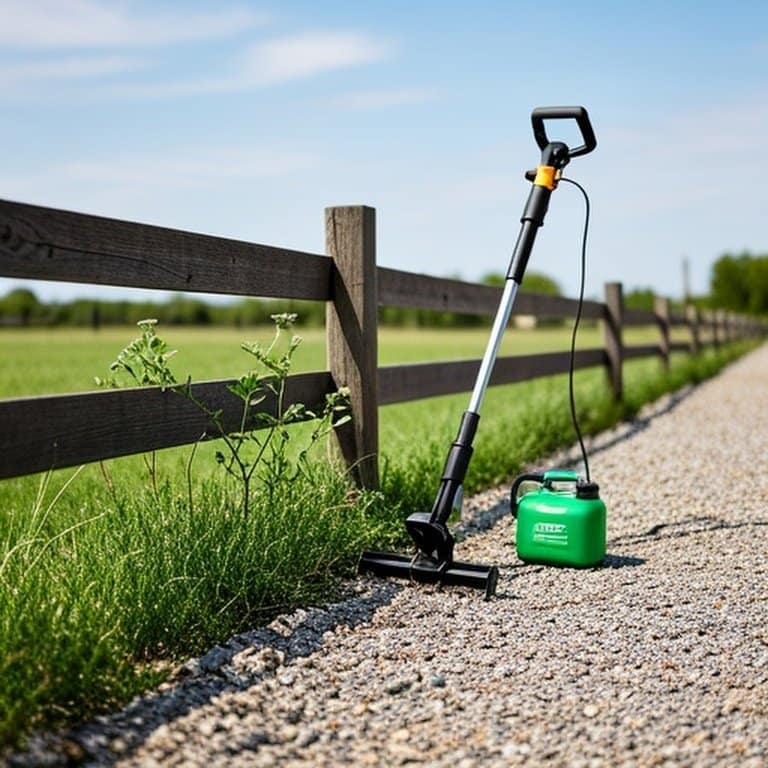
Vegetation along fence lines is more than a cosmetic issue. Over time, unmanaged grass, brush, and vines can weaken posts, loosen wire tension, create fire hazards, and short out electric fencing systems. Heavy growth traps moisture against wood and metal, accelerating rot and corrosion. In livestock fencing, vegetation also hides structural problems and creates pressure points where animals test weak spots.
Many property owners look for a “set-it-and-forget-it” solution, but long-term vegetation control requires strategy rather than a single tool. Choosing the right method depends on fence type, terrain, climate, and livestock use. Investing in the correct system reduces maintenance costs, prevents emergency repairs, and extends fence lifespan significantly.
Key Factors to Consider
- Type of fence (electric, woven wire, wood, high-tensile)
- Soil conditions and drainage patterns
- Regional climate and growing season length
- Livestock pressure and grazing behavior
- Labor availability versus chemical control preference
Detailed Explanation
There is no permanent vegetation control method that eliminates maintenance entirely. The most effective long-term strategy combines mechanical, chemical, and physical barrier techniques. Mechanical trimming—such as mowing or weed trimming—keeps growth manageable but requires regular repetition, especially during peak growing seasons.
Targeted herbicide application adds longevity. Spot-spraying along the fence base suppresses regrowth and reduces repeated cutting. However, herbicides must be applied carefully to avoid soil damage, drift, or environmental concerns. In high-moisture or high-growth regions, herbicide alone often fails without physical clearing.
Physical barriers provide the most durable foundation. Installing a gravel strip, compacted soil strip, or landscape fabric under the fence line reduces root establishment. Gravel discourages vine anchoring and prevents grass from reaching electric wires. While installation requires upfront effort, it dramatically reduces long-term labor.
The best long-term method is layered control: clear the line, suppress regrowth chemically when needed, and establish a growth-resistant base. Consistency matters more than intensity. Small, regular maintenance prevents heavy seasonal overgrowth that causes structural damage.
How Cattle Behavior Affects This Choice
Cattle tend to graze along fence lines, especially when vegetation is lush. Overgrowth can attract animals to the fence, increasing pressure and leaning.
If electric fencing is used, grass contact reduces shock effectiveness, encouraging cattle to test boundaries more frequently.
Calves vs Mature Cattle Considerations
Calves may slip through lower wires hidden by tall vegetation, especially when visibility is reduced.
Mature cattle apply significant leaning force. If vegetation weakens posts or reduces electric charge, structural stress increases.
Terrain, Visibility, and Pressure Zones
Low-lying areas with poor drainage require more aggressive vegetation control.
Fence corners, gates, and shaded sections experience faster growth and higher structural pressure.
When This Works Well
- Fence line is inspected monthly during growing season
- Gravel or barrier strip is installed during new fence construction
- Spot herbicide is used carefully and strategically
- Electric fences are kept clear of grass contact
- Corners and gate sections receive extra attention
When This Is Not Recommended
- Relying solely on seasonal mowing once or twice a year
- Using herbicide without mechanical clearing first
- Ignoring shaded or wet fence sections
- Installing barrier materials without proper ground leveling
- Delaying maintenance until overgrowth becomes heavy
Alternatives or Better Options
Controlled Grazing Along Fence Lines
Strategic grazing can reduce vegetation growth naturally but requires monitoring to prevent fence pressure.
Permanent Gravel Strip Installation
Installing a continuous gravel base offers one of the lowest long-term maintenance options.
Low-Growth Ground Cover Seeding
Planting controlled, low-growing species can reduce aggressive weed establishment.
Cost, Safety, and Practical Notes
Mechanical trimming has low equipment cost but high ongoing labor demand. Herbicides reduce labor but introduce product costs and environmental considerations. Gravel installation requires upfront investment but significantly lowers recurring work.
Safety considerations include proper protective equipment when spraying chemicals and caution when using trimming tools near wire fencing. Electric fences must be powered down during maintenance to prevent shock hazards.
Practically, the lowest long-term cost solution is layered prevention. Installing a barrier strip during initial fence construction is far cheaper than repeated structural repairs caused by unmanaged vegetation.
Quick Takeaway
There is no single permanent vegetation control solution. The most effective long-term strategy combines routine mechanical clearing, targeted herbicide when necessary, and a physical barrier such as gravel. Layered prevention protects fence integrity and reduces repair costs over time.