
Short Answer
The best tool for stretching high-tensile fence wire is a purpose-built wire strainer or in-line ratchet tensioner used together with a tension gauge. A clamp-style wire stretcher bar combined with a come-along winch is also effective for long runs. These tools allow controlled, measurable tension without damaging the wire or overstressing posts.
Why This Question Matters
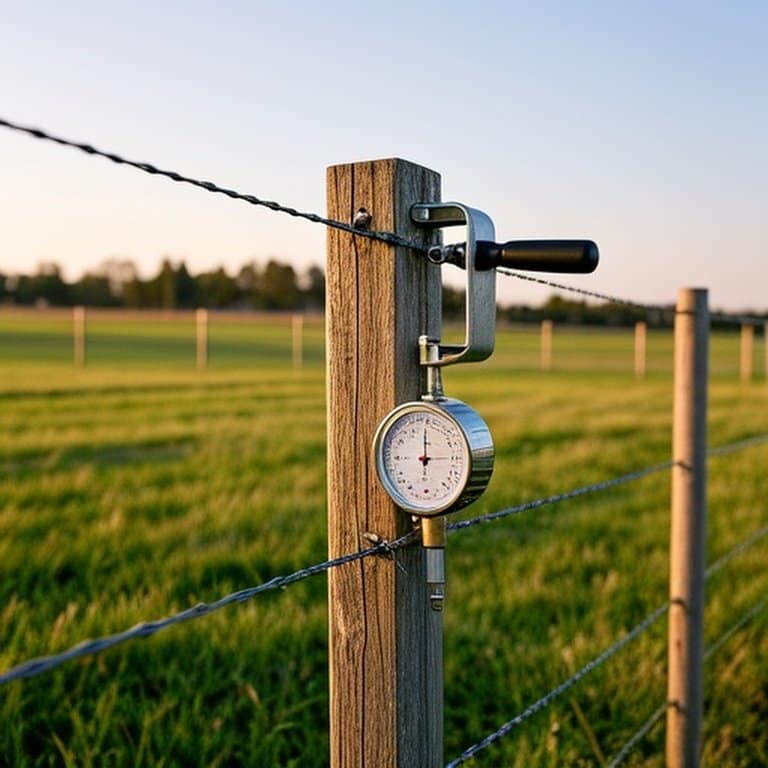
High-tensile wire is designed to operate under specific tension ranges. Using the wrong tool—such as pulling by hand, twisting with pliers, or over-cranking with a tractor—can weaken the wire, damage coating, or cause uneven load distribution.
Improper stretching leads to sagging fences, broken staples, leaning brace posts, or snapped wire during seasonal contraction. Because high-tensile systems rely on structural balance rather than brute force, the stretching tool directly affects fence lifespan and safety. Choosing the correct tool protects your materials, improves installation accuracy, and reduces long-term maintenance costs.
Key Factors to Consider
- Length of fence run being tensioned
- Wire gauge and manufacturer tension specifications
- Strength of brace assembly and corner posts
- Need for future seasonal adjustment
- Safety control during tightening process
Detailed Explanation
High-tensile wire must be stretched gradually and evenly. The most reliable setup uses a wire stretcher bar (also called a clamp or grip) attached to a come-along winch. The stretcher bar grips multiple points on the wire, distributing load evenly and preventing kinks. The come-along provides controlled pulling force that can be increased incrementally.
For permanent installations, in-line ratchet tensioners are considered best practice. These devices are installed directly in the wire run and allow fine adjustments over time. Instead of re-stretching entire spans, you simply tighten the ratchet to restore proper tension. This is especially valuable in climates with temperature swings.
A tension gauge is critical for accuracy. High-tensile wire is not tightened “by feel.” Each wire gauge has a recommended tension range. A gauge confirms whether you are within safe working limits. Without measurement, it is easy to overtighten, which can overstress braces and reduce wire lifespan.
Hydraulic or tractor pulling methods are not recommended for precision work. While they may be used in commercial-scale installations with experienced crews, they increase the risk of sudden overloading. Controlled manual tensioning tools provide better safety and structural integrity.
In short, the best approach combines three components: a proper wire grip or stretcher bar, a controlled pulling device such as a come-along, and a tension gauge for verification.
How Fence Design Influences Tool Choice
Long perimeter fences benefit most from in-line ratchet tensioners because they allow adjustment after installation. Shorter interior runs may only require a stretcher bar and come-along.
If brace assemblies are strong and properly built, tensioning tools can safely achieve recommended loads. Weak braces make any tool risky, because the structure—not the tool—becomes the failure point.
Seasonal Adjustment and Maintenance
High-tensile wire expands in heat and contracts in cold. Tensioners allow seasonal correction without dismantling the fence.
Installers in cold climates often leave slight adjustment capacity during summer installation. Using ratchet tensioners simplifies long-term maintenance and prevents wire breakage due to seasonal over-tightening.
When This Works Well
- Permanent high-tensile perimeter fencing
- Installations with proper H-brace assemblies
- Long straight fence runs requiring uniform tension
- Areas with significant seasonal temperature changes
When This Is Not Recommended
- Temporary polywire or lightweight electric systems
- Short garden fences without brace structures
- Situations where no tension gauge is available
- Installations relying solely on tractor pulling force
Alternatives or Better Options
Spring-Loaded Tension Assemblies
Absorb expansion and contraction automatically. Reduce need for manual adjustment but add material cost.
Gripple-Style Wire Joiners with Tension Tool
Compact and efficient for joining and tightening wire sections. Useful for repairs or mid-span adjustments.
Professional Hydraulic Tensioning Systems
Used in large-scale agricultural fencing projects. Provide precision but require experience and higher investment.
Cost, Safety, and Practical Notes
A quality stretcher bar and come-along are affordable and durable tools that last for years. In-line ratchet tensioners add moderate cost per fence run but significantly reduce maintenance.
Always stand clear of the wire path while tensioning. High-tensile wire stores energy and can recoil if it breaks. Wear gloves and eye protection. Never exceed manufacturer tension recommendations.
The safest and most durable installation method prioritizes controlled tightening, accurate measurement, and strong brace construction rather than maximum pulling force.
Quick Takeaway
The best tool for stretching high-tensile fence wire is a wire stretcher bar paired with a come-along, verified by a tension gauge. For long-term performance, in-line ratchet tensioners provide precision adjustment and seasonal flexibility. Proper tools ensure safety, structural balance, and durable fence performance.