
Short Answer
To use a fence stretcher without damaging the wire, clamp the stretcher evenly across multiple strands, apply gradual tension with a come-along or winch, and stop within the recommended tension range using a gauge. Avoid jerking force, single-point gripping, or overtightening, which can kink, weaken, or overstress the wire.
Why This Question Matters
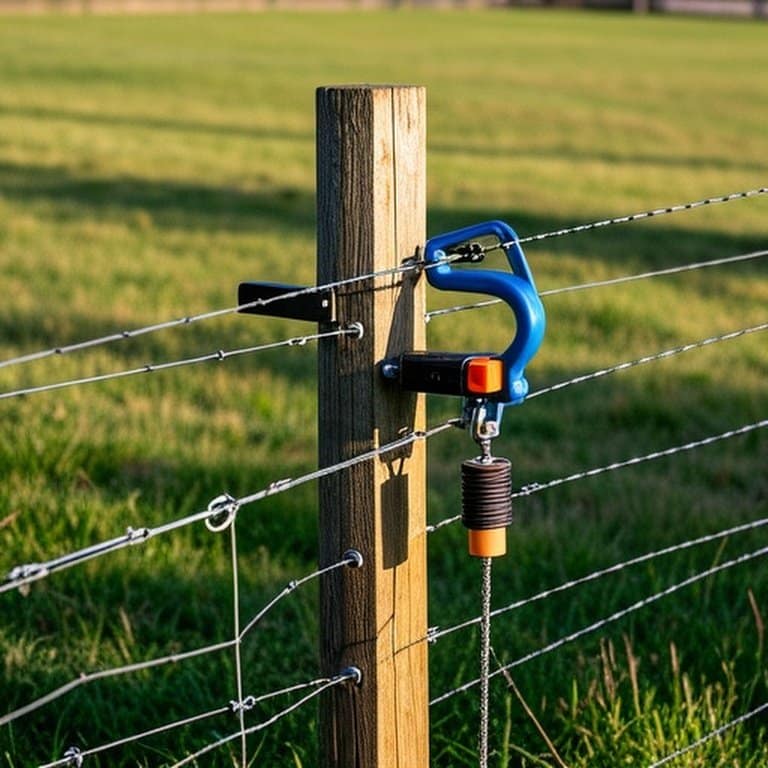
Fence wire—especially high-tensile or woven wire—is designed to perform under controlled tension. If stretched improperly, the wire can develop weak points, lose galvanizing coating, kink permanently, or even snap under seasonal stress.
Many fence failures begin during installation, not years later. Using a fence stretcher incorrectly can damage the structural integrity of the wire before livestock ever touch it. Proper technique ensures long-term durability, consistent line tension, and reduced maintenance. Understanding how to stretch correctly protects your investment in both materials and labor.
Key Factors to Consider
- Use a stretcher bar that grips multiple wires evenly
- Apply slow, steady pressure instead of sudden force
- Monitor tension with a proper wire tension gauge
- Ensure brace posts are solid before tightening
- Never exceed manufacturer tension recommendations
Detailed Explanation
The first step is selecting the correct type of stretcher. A clamp-style stretcher bar or wire grip that spans multiple strands distributes force evenly. Single-hook grips concentrate pressure at one point and increase the risk of kinking or crushing the wire. For woven wire, always use a full-width stretcher bar designed specifically for mesh fencing.
Next, attach a come-along or ratchet winch to the stretcher bar and pull gradually. Smooth, controlled tensioning prevents shock loads that can deform the wire. Sudden jerks create microscopic stress fractures that weaken long-term performance. The goal is steady, incremental tightening.
A tension gauge is essential for high-tensile systems. Stretching “until it feels tight” is unreliable. Over-tightening can overstress brace posts, corner assemblies, and staples. In cold climates, overtensioned wire is especially prone to snapping during winter contraction.
Position yourself safely to the side of the wire while tightening. Never stand directly in line with tensioned wire. If a grip slips or the wire breaks, recoil can cause injury. Wearing gloves and eye protection further reduces risk.
When proper tools, gradual force, and measured tension are combined, the wire maintains structural integrity and coating protection. Correct technique prevents damage and ensures the fence performs as intended for years.
Proper Technique for Different Wire Types
Woven wire requires a stretcher bar that grips the entire vertical mesh section. This ensures even load distribution across horizontal strands. Pulling unevenly can distort mesh spacing and reduce livestock containment reliability.
High-tensile single strands require precision tensioning within a specified range. Using a gauge confirms compliance. Ratchet tensioners allow fine adjustments after initial stretching, reducing the need for re-clamping and minimizing repeated stress on the wire.
The Role of Brace Strength
A properly built H-brace or corner brace assembly absorbs fence tension. If braces are weak, the wire may appear tight but structural strain transfers unevenly, increasing risk of breakage.
Never compensate for weak braces by pulling harder. Reinforce posts and brace wires before tensioning. Structural stability protects the wire from overload damage.
When This Works Well
- Permanent livestock fencing installations
- Long straight fence runs with solid brace assemblies
- High-tensile systems requiring precise tension ranges
- Professional or DIY projects using proper tension gauges
When This Is Not Recommended
- Temporary lightweight polywire fencing
- Installations without strong corner or end braces
- Pulling wire with tractors or uncontrolled machinery
- Stretching wire in extreme cold without tension monitoring
Alternatives or Better Options
In-Line Ratchet Tensioners
Installed directly in the wire run, allowing adjustment without repeated clamping and reducing handling damage.
Spring-Loaded Tension Assemblies
Absorb seasonal expansion and contraction, minimizing stress and preventing overtension damage.
Professional Hydraulic Tension Systems
Offer precise control for large-scale projects but require experience and higher investment.
Cost, Safety, and Practical Notes
Fence stretcher bars and come-alongs are affordable, durable tools suitable for long-term use. Investing in a tension gauge significantly reduces risk of wire failure.
Always inspect stretcher jaws before use to ensure they are clean and undamaged. Worn grips can slip and scar the wire surface.
Never rush the process. Controlled tension protects both materials and installer safety. The small time investment during stretching prevents costly repairs later.
Quick Takeaway
Use a multi-wire stretcher bar, apply slow and steady tension with a come-along, verify tension with a gauge, and avoid sudden force. Proper technique prevents kinks, coating damage, and structural overstress—ensuring a durable, long-lasting fence.