
Short Answer
Yes, you can over-tighten fence wire, and doing so can cause serious damage. Excessive tension may weaken or snap the wire, pull posts out of alignment, distort woven mesh, damage staples, and overstress brace assemblies. Proper fence performance depends on controlled, measured tension—not maximum tightness.
Why This Question Matters
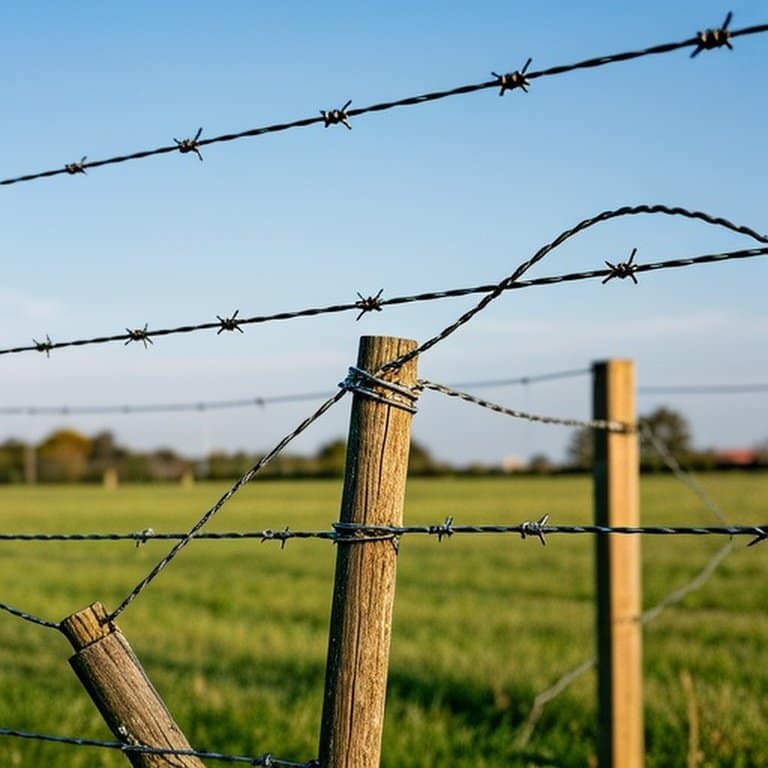
Many fence failures start with good intentions. Installers often believe tighter wire equals stronger fencing. In reality, over-tightening creates hidden stress that shortens fence lifespan.
High-tensile wire, woven wire, and even electric fence strands are designed to operate within specific tension ranges. When pulled beyond those limits, metal fatigue increases, posts lean, braces loosen, and seasonal contraction can cause sudden breakage.
Understanding proper tension prevents structural failure, livestock escape, and costly repairs. Tight enough to function—but not tight enough to overstress—is the key principle of durable fencing.
Key Factors to Consider
- Wire type determines safe tension range
- Temperature affects expansion and contraction
- Brace strength limits how much tension can be applied
- Over-driven staples can restrict natural wire movement
- Use a tension gauge instead of judging by feel
Detailed Explanation
Fence wire functions as part of a system, not as a standalone component. When you tighten wire, you are applying force not only to the strand itself but also to end posts, corner braces, staples, and anchor assemblies. If any part of that system is weaker than the applied tension, failure occurs at the weakest point.
High-tensile smooth wire is particularly sensitive to overtension. It is engineered to stretch slightly within a recommended range. Pulling beyond that range increases stress in the steel and reduces its ability to absorb impact from livestock or wind. During winter, when temperatures drop and metal contracts, overtightened wire may snap unexpectedly.
Woven wire fencing can suffer from mesh distortion if over-tightened. The vertical stays can bend, and horizontal strands may lose proper spacing. This compromises livestock containment and reduces fence stability. Over-tightening also increases strain on staples, potentially pulling them out of wooden posts or causing them to pinch the wire too tightly.
Brace assemblies are often the first visible indicator of overtension. Leaning corner posts, loosening brace wires, or cracking wood are signs that tension exceeds structural limits. Rather than increasing tightness to compensate, reinforcement or rebalancing of the fence system is required.
Proper tension ensures resilience. The goal is controlled tightness that allows minor flex while maintaining containment strength.
How Wire Type Affects Safe Tension
High-tensile smooth wire typically requires measured tension using a gauge to stay within manufacturer recommendations. Electric fence wire often requires slightly less tension to allow seasonal adjustment.
Woven wire should be tight enough to remove sag but not so tight that mesh squares deform. Barbed wire requires consistent but moderate tension to avoid stressing barbs and weakening twist points.
Different materials demand different limits. Always match technique to wire type.
Temperature and Seasonal Changes
Metal expands in heat and contracts in cold. If wire is tightened excessively during warm weather, it may become dangerously overstressed during winter contraction.
Spring-loaded tensioners or in-line ratchet adjusters help absorb seasonal changes. These tools reduce risk of snapping while maintaining functional tightness year-round.
Ignoring seasonal impact is one of the most common causes of overtension damage.
When This Works Well
- Using a tension gauge during installation
- Reinforced H-brace assemblies at corners
- Moderate climates with smaller temperature swings
- Systems designed with spring tension components
When This Is Not Recommended
- Pulling wire tight “by feel” without measurement
- Using tractors or heavy machinery without control
- Installing during extreme temperature conditions
- Overcompensating for weak posts by tightening more
Alternatives or Better Options
Use In-Line Ratchet Tensioners
Allow gradual adjustment over time without over-stressing during initial installation.
Install Spring-Loaded Tension Assemblies
These absorb seasonal expansion and contraction automatically.
Reinforce Brace Structures Before Increasing Tension
Stronger corner and end braces reduce the temptation to overtighten wire for stability.
Cost, Safety, and Practical Notes
A wire tension gauge is inexpensive compared to repairing snapped wire or leaning braces. Over-tightening often results in more maintenance, not less.
Standing directly in line with overtensioned wire is dangerous. If breakage occurs, recoil can cause injury. Always stand to the side during tightening.
Controlled tension improves fence lifespan, reduces livestock pressure failures, and maintains structural alignment.
Quick Takeaway
Yes, over-tightening fence wire causes damage. Use a tension gauge, respect manufacturer limits, and build strong braces before applying force. Proper tension means balanced strength—not maximum tightness.