
Short Answer
High-tensile wire fence typically requires between 200 and 300 pounds of tension per strand, depending on wire gauge, fence design, and livestock pressure. Most manufacturers recommend tension levels that keep the wire firm with minimal sag while allowing slight flexibility for temperature changes and impact absorption.
Why This Question Matters
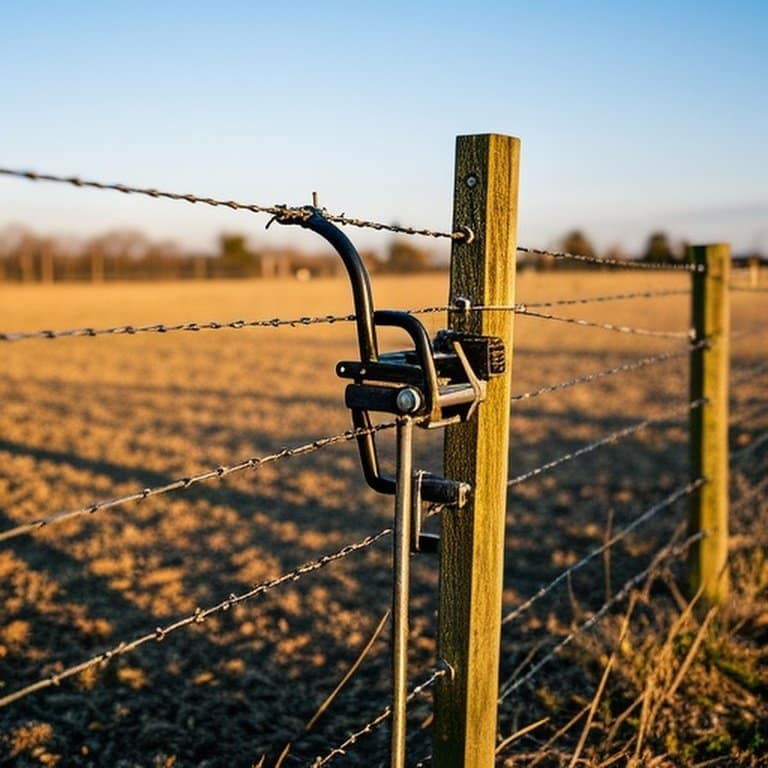
High-tensile fencing relies on proper tension for structural strength. Unlike barbed wire or woven mesh, it uses fewer posts and depends on wire tightness to maintain rigidity. If tension is too low, the fence sags and loses containment strength. If it is too high, wires can snap, braces can shift, and posts may lean under constant strain.
Incorrect tension is one of the most common installation mistakes. Many people tighten “by feel,” which leads to inconsistency across spans. Over time, uneven tension causes structural imbalance, increasing maintenance costs and shortening fence lifespan.
Understanding the correct tension range ensures livestock safety, long-term durability, and proper shock delivery in electrified systems. Proper tension also reduces seasonal maintenance by minimizing sag during temperature fluctuations.
Key Factors to Consider
- Wire gauge directly affects recommended tension range
- Brace assembly strength determines safe load limits
- Temperature changes influence seasonal expansion and contraction
- Livestock pressure varies by species and stocking density
- Electric vs. non-electric systems may require different tension
Detailed Explanation
High-tensile wire is engineered to be stretched significantly more than traditional fence wire. Most 12.5-gauge high-tensile wire is designed to operate safely within a tension range of roughly 200–300 pounds. This range keeps the wire firm while maintaining elasticity. The wire must remain slightly flexible so it can absorb impact from livestock and adjust to seasonal expansion and contraction.
Applying too little tension results in visible sag between posts. Sag reduces containment effectiveness and increases the likelihood of animals pushing through or under the fence. In electric systems, slack wire may touch vegetation or lose proper spacing, weakening shock delivery.
Over-tightening creates different problems. Excessive tension transfers force to brace assemblies and end posts. Over time, this can cause corner posts to lean inward or pull upward, especially in soft soil. Wire under extreme tension is also more likely to snap during cold weather when metal contracts.
Proper installation involves using a tension gauge or manufacturer guidelines rather than guessing. Tension should be applied gradually using a ratchet tensioner or stretcher, checking brace alignment throughout. The goal is a firm, straight line with slight give when pressed—not a rigid cable under extreme strain.
Balanced tension maximizes durability and performance.
How Livestock Behavior Affects Required Tension
Larger animals such as cattle exert more horizontal pressure on fencing. In high-pressure areas like corners or feeding zones, slightly higher tension within the recommended range improves durability.
However, tension alone cannot compensate for weak bracing. Strong brace assemblies are more important than extreme tightness.
Calves vs. Mature Cattle Considerations
Calves are lighter but more likely to test fences by crawling or slipping under loose strands. Proper lower-wire tension is especially important in mixed-age herds.
Mature cattle apply greater body force. Maintaining consistent tension across all strands helps prevent leaning and gradual structural fatigue.
Terrain, Visibility, and Pressure Zones
Uneven terrain increases stress points where wire spans vary in height. Tension must remain consistent across changing ground contours.
High-visibility perimeter fences often experience less direct pressure than interior paddock divisions where animals gather. Pressure zones may require closer post spacing rather than higher tension.
When This Works Well
- Proper H-brace systems are installed
- Wire gauge matches recommended tension specifications
- Tension is measured using appropriate tools
- Seasonal expansion allowances are considered
When This Is Not Recommended
- Brace assemblies are weak or improperly anchored
- Posts are set in unstable or saturated soil
- Wire is low-quality or not rated for high tension
- Excessive tightening is used to compensate for poor layout
Alternatives or Better Options
Spring-Loaded Tension Assemblies
These automatically compensate for seasonal temperature changes and reduce manual adjustments.
Closer Post Spacing
In high-pressure areas, reducing span length lowers stress without increasing tension.
Woven Wire or Mesh Fencing
Where flexibility is preferred over high tension, woven systems may offer better impact absorption.
Cost, Safety, and Practical Notes
High-tensile fencing is cost-effective long term because fewer posts are required. However, it demands proper bracing and accurate tensioning. Investing in a tension gauge and ratchet tensioners prevents structural damage and repeated repairs.
Never stand directly in line with tensioned wire during installation. Wire under 200–300 pounds of tension stores significant energy and can recoil dangerously if it snaps.
Balanced tension—not maximum tension—is the goal for safety and longevity.
Quick Takeaway
High-tensile fence wire typically requires 200–300 pounds of tension per strand. Apply tension gradually using proper tools, ensure brace systems are solid, and avoid over-tightening to maintain long-term structural stability.