
Short Answer
Electric fence wire should be stretched tight enough to remain straight and maintain consistent contact, but not so tight that it overstresses posts or loses flexibility. Proper tension means the wire is firm and responsive without being rigid. Slight flexibility allows for temperature changes, animal contact, and long-term durability.
Why This Question Matters
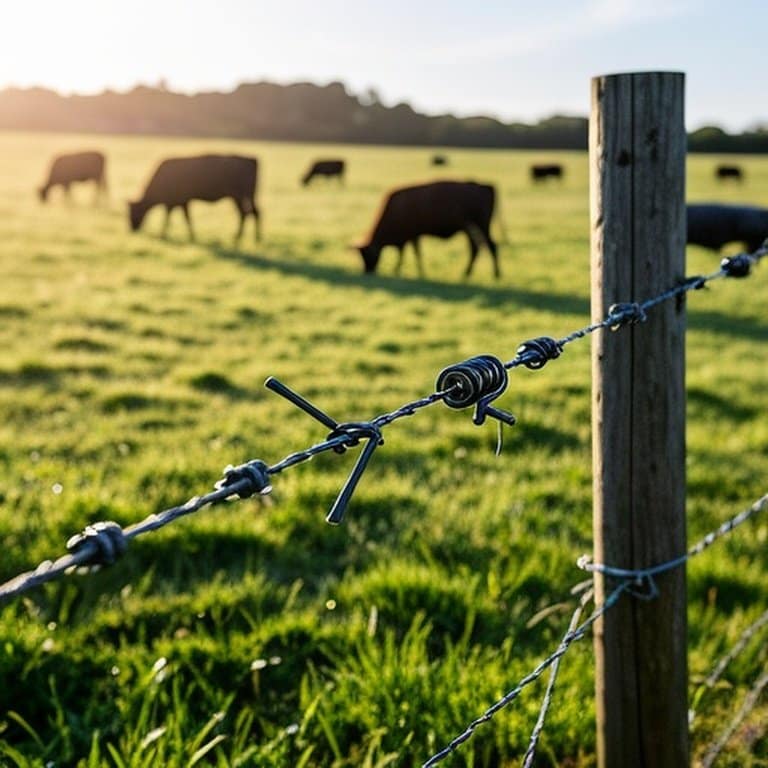
Electric fencing works through psychological deterrence, not physical strength. Unlike woven or barbed wire fences, electric wires do not need to act as a solid barrier. Their effectiveness depends on consistent voltage delivery and proper wire alignment.
If electric wire is too loose, it may sag into vegetation, lose consistent height, or fail to deliver a reliable shock. If it is too tight, seasonal contraction can snap the wire or damage posts. Both extremes reduce system performance.
Understanding correct tension ensures electrical efficiency, structural longevity, and safe livestock containment. The goal is not maximum tightness, but stable and controlled alignment.
Key Factors to Consider
- Type of wire (high-tensile, polywire, or aluminum)
- Length of fence runs between brace posts
- Seasonal temperature variation
- Livestock pressure levels
- Use of tensioners or springs
Detailed Explanation
Electric fencing differs from traditional fencing because it relies on shock deterrence rather than physical resistance. Therefore, the wire does not need to be as tight as structural fencing. However, it must be tight enough to prevent sagging that allows animals to push through or vegetation to short the line.
Over-tightening electric wire creates problems, especially with high-tensile steel. During cold weather, contraction increases stress on corner posts and braces. If the wire is already overly tight, winter contraction can lead to snapped wires or pulled insulators.
On the other hand, leaving wire too loose creates inconsistent height and weakens the psychological boundary. Animals may test the fence if the wire appears unstable.
The ideal tension allows a firm, straight appearance with slight give when pressed by hand. Inline strainers or tension springs help maintain balanced tension throughout seasonal shifts. Proper installation focuses on controlled flexibility rather than rigidity.
How Cattle Behavior Affects This Choice
Cattle respond to electric fencing through training and memory. A properly tensioned wire maintains visual consistency and predictable shock delivery.
If wire sags significantly, cattle may attempt to push or step over it. Balanced tension reinforces both visual boundary and electrical performance.
Calves vs Mature Cattle Considerations
Calves are more likely to test lower wires and crawl under loose sections. Slight slack can create entry points.
Mature cattle apply more force when leaning. Slight flexibility in tension helps absorb impact without snapping.
Terrain, Visibility, and Pressure Zones
Long straight runs amplify tension effects. Temperature swings have greater impact across longer distances.
High-pressure areas near water or feeding zones require slightly firmer tension to maintain consistent height.
When This Works Well
- Wire is tensioned firmly but not rigidly
- Tensioners or springs are installed
- Seasonal inspections are performed
- Posts and braces are properly anchored
When This Is Not Recommended
- Wire is tightened to maximum stiffness
- No allowance is made for winter contraction
- Long runs lack adjustment systems
- Posts are shallow-set or weak
Alternatives or Better Options
High-Tensile Wire with Springs
Springs regulate seasonal movement and prevent excessive strain during temperature shifts.
Polywire for Temporary Fencing
Designed with more flexibility, polywire performs well when moderate tension is applied.
Multi-Strand Systems
Using multiple wires reduces reliance on extreme tension in any single strand.
Cost, Safety, and Practical Notes
Over-tightening increases the risk of post damage and wire breakage, leading to higher long-term repair costs. Slightly flexible systems last longer and require fewer emergency fixes.
Loose wire that touches vegetation reduces voltage and weakens shock strength. Maintaining proper tension directly affects fence effectiveness.
Routine tension checks during seasonal transitions improve performance and extend equipment life.
Quick Takeaway
Electric fence wire should be firm and straight but not rigid. Balanced tension allows reliable shock delivery while preventing structural damage from seasonal expansion and contraction.