
Short Answer
Yes, electric fencing remains safe and generally effective during rainstorms if properly installed and grounded. Rain can actually improve conductivity in soil, increasing shock efficiency. However, poor grounding, damaged insulators, flooding, or lightning exposure can reduce performance or create safety risks if the system is not properly maintained.
Why This Question Matters
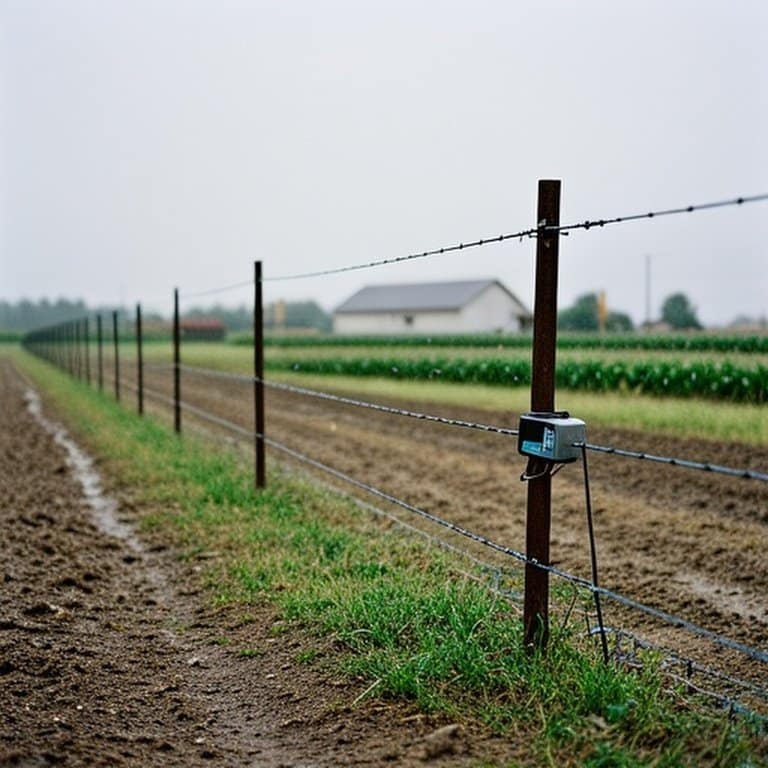
Rainstorms introduce moisture, lightning, wind, and debris — all of which interact directly with electric fencing systems. Many livestock owners worry that wet conditions may increase danger to animals or handlers. Others assume rain automatically weakens electric output. In reality, rain often improves ground conductivity, making shocks more consistent. The real risks come from improper grounding, short circuits caused by vegetation contact, and surge damage from lightning strikes. Understanding how electric fencing behaves during storms helps livestock managers maintain containment, protect equipment, and ensure both animal and human safety under severe weather conditions.
Key Factors to Consider
- Wet soil improves grounding efficiency and shock return path
- Standing water can submerge lower wires or insulators
- Lightning strikes require proper surge protection systems
- Vegetation contact increases short-circuit risk during rain
- Ground rod depth and spacing affect storm performance
Detailed Explanation
Electric fencing works by delivering a short-duration, high-voltage pulse through a wire system. The animal completes the circuit by touching the wire and the ground simultaneously. During rainstorms, moisture in the soil enhances electrical conductivity. Wet soil reduces resistance in the return path to the ground rods, often increasing the effectiveness of the shock compared to dry conditions.
However, rain also increases the likelihood of unintended grounding. Vegetation growing near fence lines becomes conductive when wet. If grass or brush touches energized wires, it can drain voltage and reduce shock strength. This is one of the most common reasons electric fences perform poorly during prolonged rain events.
Flooding introduces additional concerns. If lower wires or insulators are submerged, electrical flow may short directly into water rather than through livestock contact. While modern energizers are designed to deliver pulsed output that is not continuously dangerous, system efficiency drops when circuits are compromised.
Lightning is the most serious storm-related threat. A direct strike or nearby surge can damage energizers and wiring. Proper lightning diverters and surge protectors reduce equipment damage risk. Grounding systems must be properly installed — typically multiple ground rods spaced several feet apart — to stabilize voltage during high-moisture conditions.
When properly installed with adequate grounding and surge protection, electric fencing remains both safe and highly effective during rainstorms.
How Cattle Behavior Affects This Choice
During rainstorms, cattle often crowd together or seek shelter along fence lines. Increased physical contact may test the reliability of the system. If vegetation has reduced voltage output, animals may detect weaker shocks and challenge boundaries.
Rain can also make animals more sensitive to shock because wet hide improves conductivity. This often reinforces respect for the fence if voltage remains strong. Maintaining clear fence lines ensures consistent performance during these behavioral shifts.
Calves vs Mature Cattle Considerations
Calves are more likely to test fencing if voltage drops due to vegetation grounding. Because they are lighter, they may not complete the circuit as effectively in very dry conditions — but during rain, conductivity improves.
Mature cattle, especially bulls, may push boundaries during storms. A properly grounded system delivers consistent deterrence. Ensuring sufficient joule output from the energizer is essential when managing larger animals in storm-prone areas.
Terrain, Visibility, and Pressure Zones
Low-lying areas prone to standing water require special attention. Submerged ground rods or insulators may reduce efficiency. Installing ground rods in well-drained soil improves storm stability.
Visibility during heavy rain decreases, increasing the chance livestock may accidentally contact fencing. Clear wire spacing and proper tension reduce entanglement risk. Planning fence placement above flood-prone zones significantly improves safety.
When This Works Well
- Properly installed multi-rod grounding system
- Vegetation regularly cleared along fence lines
- Energizer protected with lightning diverter
- Wires positioned above expected flood levels
- Adequate joule output for livestock type
When It Is Not Recommended
- Poor grounding in dry, compacted soil without improvement
- Flood-prone areas with submerged insulators
- Overgrown fence lines causing voltage drain
- Lack of surge protection in lightning-prone regions
- Damaged insulators or exposed wiring
Alternatives or Better Options
Hybrid Fence System (Physical + Electric Offset)
Combining woven wire with an electric offset maintains containment even if voltage drops temporarily during storms.
Solar Energizers with Surge Protection
Modern solar-powered units with integrated surge protection improve reliability in remote storm-prone locations.
High-Output Low-Impedance Energizers
Low-impedance energizers maintain stronger voltage under load conditions, including wet vegetation contact.
Cost, Safety, and Practical Notes
Electric fencing is generally safe during rain because pulses are short-duration and current-limited. However, lightning protection adds modest upfront cost that prevents expensive energizer replacement. Installing additional ground rods improves reliability with minimal material expense.
From a safety perspective, inspect fencing after major storms. Check insulators, remove debris, and test voltage output. Flood-damaged wiring should be replaced promptly to prevent unpredictable performance.
Practically, rain often improves fence effectiveness when systems are properly maintained. The biggest risk factor is neglect — not weather itself.
Quick Takeaway
Electric fencing is safe and often more effective during rainstorms when properly grounded and maintained. Wet soil improves conductivity, but vegetation contact and lightning risk must be managed. Strong grounding, surge protection, and regular inspection ensure reliable storm performance.