
Short Answer
In drought-prone areas, choose fencing systems that tolerate dry, shifting soil, extreme heat, and increased livestock pressure. High-tensile wire with deep-driven steel posts, UV-resistant materials, and flexible designs perform best. Proper anchoring in compacted or rocky soil and reduced maintenance requirements are critical for long-term durability.
Why This Question Matters
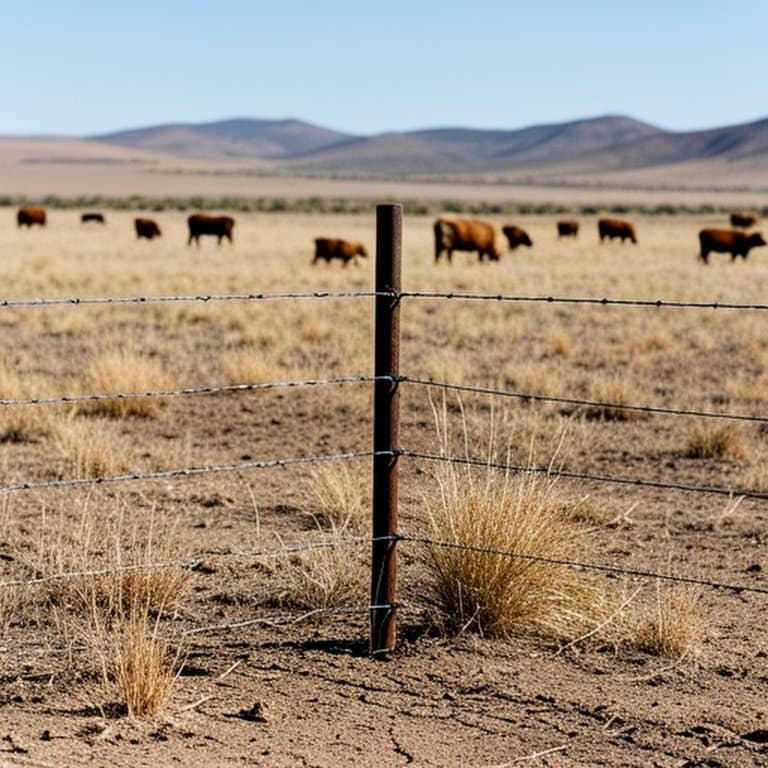
Drought affects more than vegetation — it changes soil structure, livestock behavior, and material performance. As soil dries, it shrinks and cracks, reducing post stability and increasing movement around anchors. Sparse pasture forces livestock to concentrate near fence lines, increasing pressure. At the same time, intense sun exposure accelerates material degradation. Fencing that performs well in moderate climates may loosen, lean, or become brittle under prolonged dry conditions. Because droughts often last multiple seasons, choosing the wrong fencing system can lead to repeated repairs and escalating costs. Selecting drought-adapted materials and installation methods ensures structural stability, livestock containment, and lower maintenance over time.
Key Factors to Consider
- Dry soil shrinkage reduces post grip and stability
- UV exposure accelerates plastic and wood degradation
- Concentrated grazing increases fence-line pressure
- Rocky or compacted soil affects post installation depth
- Low-maintenance systems reduce long-term labor needs
Detailed Explanation
Drought-prone soil behaves differently from moisture-balanced ground. As water evaporates, clay-heavy soil contracts and forms cracks. These gaps reduce the friction that normally stabilizes fence posts. Over time, posts may loosen even without visible external force. This is especially common in shallow installations where the lower portion of the post sits in unstable, dry soil layers.
Deep-driven steel posts or properly installed wooden posts below the active shrink-swell zone provide greater stability. In some regions, driving posts rather than setting them in shallow concrete performs better because compacted native soil maintains stronger grip than cracked, dry backfill.
Heat is another major factor. Prolonged sun exposure weakens untreated plastics and dries out wood fibers. UV-resistant materials, including galvanized steel and stabilized polymers, resist degradation more effectively. Flexible high-tensile systems also tolerate minor ground movement without structural failure, unlike rigid panel fencing which may crack under soil shift.
Livestock behavior intensifies structural stress during drought. Limited forage encourages animals to graze near fence lines or push boundaries in search of greener pasture. This concentrated pressure can accelerate leaning in already loosened posts. Designing with stronger corner bracing and consistent tension reduces failure risk.
In drought-prone areas, durability depends on depth, flexibility, UV resistance, and the ability to withstand increased livestock interaction.
How Cattle Behavior Affects This Choice
During drought, pasture availability decreases. Cattle often congregate near perimeter fencing, especially where neighboring land appears greener. This increases repeated contact pressure along boundary lines. If posts are already loosened due to soil shrinkage, leaning accelerates.
Animals may also pace fence lines in search of alternative grazing areas. High-tensile systems with reinforced brace assemblies tolerate this movement better than rigid rails. Understanding drought-driven behavior is essential when reinforcing high-pressure sections.
Calves vs Mature Cattle Considerations
Calves are more likely to test weakened lower wires when soil cracking increases ground clearance. Gaps created by shrinking soil may expose wire bases or reduce tension.
Mature cattle exert heavier lateral force. In drought conditions, reduced soil grip increases the likelihood that impact will shift posts. Strong anchoring and proper tension distribution are critical when managing adult livestock in dry regions.
Terrain, Visibility, and Pressure Zones
Rocky or compacted terrain common in drought-prone regions may limit traditional post setting methods. Driven steel posts often perform better than shallow concrete installations in these environments.
Low vegetation cover increases wind exposure and UV intensity. Fences along exposed ridgelines or open plains face both soil shrinkage and environmental stress. Identifying pressure zones — particularly near water sources or shade structures — allows targeted reinforcement.
When This Works Well
- Deep-driven steel or properly anchored wood posts
- High-tensile wire systems allowing minor soil movement
- UV-resistant galvanized or coated materials
- Reinforced corner and gate assemblies
- Regular inspection during extended dry periods
When It Is Not Recommended
- Shallow post installation in shrink-swell clay soil
- Untreated wood exposed to prolonged heat
- Low-grade plastic fencing without UV stabilization
- Rigid panel fencing in cracking soil conditions
- Ignoring increased livestock boundary pressure
Alternatives or Better Options
Steel T-Post with Multi-Strand High-Tensile Layout
Steel posts driven deeply into compacted soil resist shrinkage movement better than shallow-set posts in cracking clay.
Hybrid Woven Wire with Electric Offset
Combining physical fencing with electric deterrence reduces physical contact pressure during grazing stress.
Composite Posts Rated for Extreme Heat
Engineered composite systems with UV stabilizers perform well in regions with prolonged high temperatures.
Cost, Safety, and Practical Notes
Drought-adapted fencing often reduces long-term maintenance costs. While deep-driven posts and reinforced bracing may increase initial labor, they prevent repeated resetting caused by soil shrinkage. UV-resistant materials cost more upfront but extend lifespan significantly.
From a safety standpoint, loosened posts and sagging wires create entanglement hazards. Soil cracks may also expose post bases, increasing trip risk for livestock and handlers.
Practically, drought planning should include seasonal inspection during peak dry months. Identifying early post movement prevents widespread structural shift. Designing for soil behavior — not just material strength — ensures long-term stability in arid environments.
Quick Takeaway
In drought-prone areas, fencing must withstand dry, shrinking soil, intense UV exposure, and increased livestock pressure. Deep-driven posts, high-tensile flexible systems, and UV-resistant materials provide the most reliable long-term performance. Stability in dry climates depends on depth, flexibility, and durability.