
Short Answer
The recommended fence height varies by livestock species. In general, cattle require 48–54 inches, horses 54–60 inches, sheep 36–42 inches, and goats 42–48 inches. Height should increase for perimeter fencing, high-pressure areas, or mixed herds. Proper spacing between wires or rails is just as important as overall height for safety and containment.
Why This Question Matters
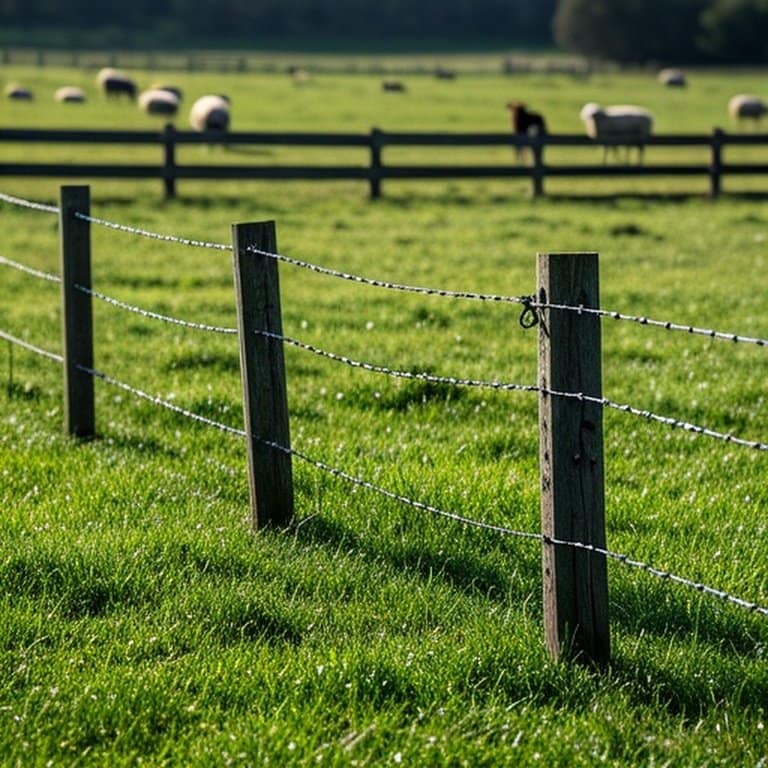
Fence height is not just a number—it directly affects animal safety, containment reliability, predator protection, and long-term maintenance costs. A fence that is too low increases escape risk and liability exposure. A fence that is too high unnecessarily raises material and installation expenses.
Different livestock species interact with fencing in fundamentally different ways. Horses test fences visually and physically. Cattle lean and push. Sheep challenge spacing gaps. Goats climb and explore vertical weaknesses. Choosing the wrong height often leads to chronic repair, stress behavior, or injury. Getting height and spacing correct from the beginning prevents costly redesigns and operational inefficiency.
Key Factors to Consider
- Animal species, breed size, and maturity level
- Perimeter fencing versus interior cross fencing
- Pressure zones near gates, feeders, or water sources
- Predator exposure and wildlife pressure
- Terrain visibility and slope changes
Detailed Explanation
Recommended fence heights are based on behavioral tendencies rather than simple body size. Cattle, for example, rarely jump high barriers but will push against weak fencing when feed or breeding pressure increases. A 48–54 inch fence provides enough vertical discouragement while maintaining structural efficiency. Perimeter cattle fences often lean toward the upper end of that range for added security.
Horses require taller fencing because of their strong flight instinct and jumping ability. Even calm horses may attempt to clear barriers if startled. A 54–60 inch fence reduces jump attempts while maintaining visibility. Rail spacing is critical; gaps must be narrow enough to prevent hoof entrapment but wide enough to preserve sight lines.
Sheep are less likely to jump but more likely to exploit gaps. For them, overall height matters less than wire spacing near the ground. A 36–42 inch fence with tight lower spacing effectively prevents lamb escape. Goats, however, are vertical thinkers. They climb, stand upright, and test flexibility. A 42–48 inch fence with reduced spacing and strong tension is often necessary to prevent scaling or leaning.
Height recommendations should always increase slightly in high-pressure areas such as near breeding pens, feeding stations, or along property boundaries. Once animals test and defeat a fence, behavior patterns form quickly. Proper height combined with correct spacing prevents that learning cycle from starting.
Secondary Considerations
How Animal Behavior Affects Fence Height
Behavior drives containment strategy. Cattle apply forward pressure; they lean before they jump. Horses test with speed and sudden force. Sheep compress through narrow gaps. Goats explore vertically and laterally. Fence height must anticipate the strongest behavioral pattern of the herd, not the calmest moment observed.
High-stress environments—such as weaning, breeding season, or feed restriction—raise escape attempts. Perimeter fences should account for peak behavioral pressure, not average conditions.
Young vs Mature Animals
Calves and lambs require tighter lower spacing even if total height remains the same. Young animals are more likely to crawl through lower gaps than jump over upper rails. Mature breeding animals, particularly bulls or dominant rams, may challenge fence integrity more aggressively.
If raising mixed-age herds, design for the smallest and most behaviorally assertive group. Retrofitting later is significantly more expensive than building correctly at installation.
Terrain, Visibility, and Pressure Zones
Slope reduces effective fence height on the downhill side. Uneven ground creates gaps that animals exploit. Visibility also matters—horses in particular respect visible barriers more than thin wire alone.
Pressure zones include gates, corners, mineral feeders, and shared fence lines. In these areas, increasing height or reinforcing structure reduces long-term repair frequency.
When This Works Well
- Single-species herds with predictable behavior
- Interior cross fencing for rotational grazing
- Moderate predator exposure
- Flat or gently rolling terrain
- Clearly visible fence lines with consistent tension
When This Is Not Recommended
- Mixed livestock with significantly different containment needs
- High predator regions requiring additional deterrence
- Extremely uneven terrain with erosion risk
- Breeding pens with aggressive stock
- Areas with frequent wildlife impact or external pressure
Alternatives or Better Options
Electric Offset Wire
Adding a single electric offset wire can reduce required height by discouraging leaning or climbing. This is especially effective for cattle and goats in perimeter systems.
Woven Wire with Top Rail
For horses or mixed herds, combining woven wire with a visible top rail increases both safety and psychological respect without dramatically increasing total height.
Double-Fence Perimeter Systems
In predator-heavy regions, a secondary offset fence improves containment and predator resistance more effectively than height alone.
Cost / Safety / Practical Notes
Increasing fence height raises material costs, post requirements, and installation labor. However, undersized fencing often leads to chronic repairs, animal injury, and potential liability. The cost of one escaped horse or injured animal can exceed the savings from reducing fence height.
Safety must remain a priority. Excessive height without proper spacing can increase entanglement risk. Barbed wire is not recommended for horses regardless of height. High-tensile systems require correct tensioning to prevent sagging, which effectively reduces functional height over time.
Practical installation matters as much as specification. Corner bracing, post depth, and wire tension directly affect whether recommended heights maintain their integrity under seasonal stress.
Quick Takeaway
Fence height should match livestock behavior, not just animal size. Cattle generally require 48–54 inches, horses 54–60 inches, sheep 36–42 inches, and goats 42–48 inches. Perimeter fences should lean toward the higher end of each range. Proper spacing, tension, and reinforcement matter just as much as total height.