
Short Answer
Animal age and breed significantly affect fence height requirements. Younger animals require tighter lower spacing, while larger or more athletic breeds often require taller fencing. Mature breeding males may also demand higher and stronger fences than females or juveniles. Fence design should match the most physically capable or vulnerable animals in the herd.
Why This Question Matters
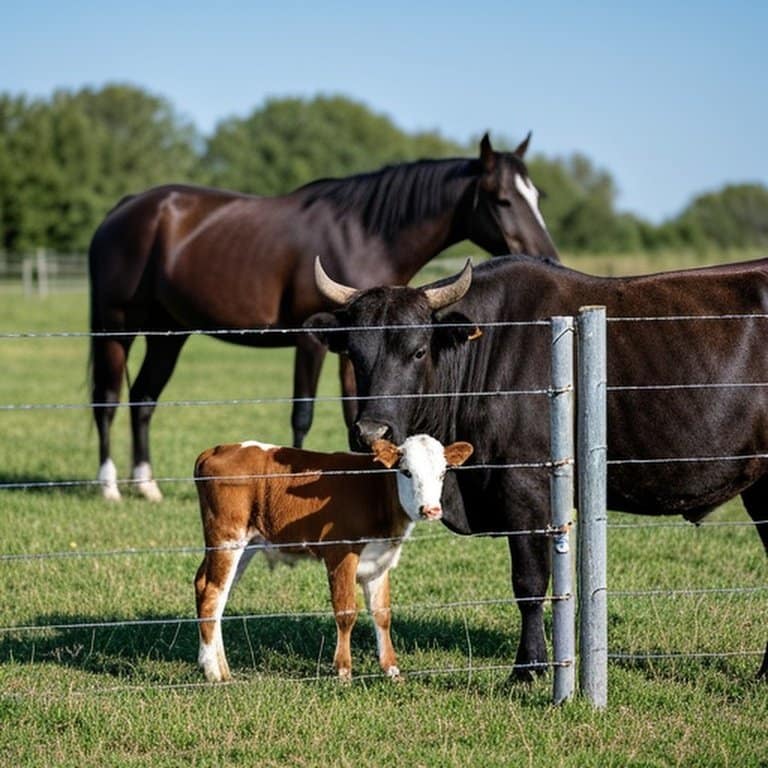
Fence height is often chosen based on general species guidelines, but age and breed introduce important variations. A standard fence height that works for mature cattle may fail for calves. A fence suitable for draft horses may be inadequate for athletic warmbloods. Likewise, smaller goat breeds behave differently from larger, more aggressive bucks.
Designing fencing without considering age and breed increases the risk of escape, injury, and structural damage. Underestimating jumping ability, leaning pressure, or crawling behavior leads to recurring maintenance and containment issues. Building to the “average animal” instead of the most demanding one in the group often creates preventable problems.
Key Factors to Consider
- Mature shoulder height and athletic ability of the breed
- Presence of young animals prone to crawling or squeezing
- Breeding males with increased aggression or pressure
- Mixed-age or mixed-breed herd composition
- Management intensity and stocking density
Detailed Explanation
Breed influences physical capability and temperament. For example, lightweight, athletic horse breeds may jump significantly higher than heavier draft breeds. As a result, horse fencing that is sufficient at 54 inches for one breed may need to reach 60 inches for another. The same principle applies to cattle—certain breeds exhibit stronger herd pressure or more assertive behavior, especially during breeding season.
Age is equally important. Young animals often challenge fences in ways adults do not. Calves and lambs are more likely to slip through lower gaps, while goat kids may climb or squeeze through small openings. In these cases, total fence height may remain unchanged, but lower wire spacing must be reduced.
Breeding males—bulls, stallions, and bucks—exert greater force on fencing. They may lean, push, or attempt to reach animals across the fence line. In breeding pens or high-pressure environments, height alone may not suffice; structural reinforcement becomes critical.
When managing mixed-age or mixed-breed herds, fencing should be designed for the most physically capable or most vulnerable group. Designing to the lowest common denominator ensures consistent containment and reduces the risk of behavioral breaches becoming habitual.
Extended Practical Considerations
How Breed Behavior Affects Fence Height
Temperament varies significantly by breed. Some livestock breeds are naturally calm and less likely to challenge fences. Others are more energetic or reactive. Athletic horse breeds may attempt to jump lower fences, while certain goat breeds are more inclined to climb.
Fence height should reflect not only size but behavioral tendency. If a breed is known for high energy or jumping ability, selecting the upper end of recommended height ranges is prudent.
Young vs Mature Livestock Considerations
Young animals require tighter spacing near the ground to prevent escape. Even if fence height remains standard, bottom clearance must be minimized for lambs, kids, or calves.
Mature breeding males often require taller and stronger fencing due to increased pressure during rut or breeding season. Temporary height reductions for interior fencing may not be appropriate in these scenarios.
Terrain, Visibility, and Pressure Zones
Uneven terrain reduces effective fence height on downhill sides, which may affect younger or more agile animals first. Visibility also plays a role; certain breeds respond better to clearly visible barriers, reducing jumping attempts.
High-pressure areas such as breeding pens, feed zones, or shared fence lines require greater structural stability regardless of breed.
When This Works Well
- Single-breed herds with predictable behavior
- Age-segregated groups (young separate from mature)
- Perimeter fences built to upper recommended height
- Calm livestock breeds with low jumping tendency
- Regular inspection and maintenance routines
When This Is Not Recommended
- Mixed-age herds without spacing adjustments
- Highly athletic horse breeds in low fencing
- Aggressive breeding males in lightly built enclosures
- Goat breeds known for climbing in minimal-height systems
- Uneven terrain reducing effective height
Alternatives or Better Options
Design for the Most Demanding Animal
Build fence height to accommodate the largest, most athletic, or most aggressive animals in the herd to ensure universal containment.
Use Electric Reinforcement
Adding a visible electric top strand increases deterrence without dramatically increasing total height.
Separate Age Groups
Managing young and mature animals in different enclosures allows optimized fence design for each group.
Cost / Safety / Practical Notes
Building taller fences increases material and labor costs, especially with longer posts and stronger bracing. However, redesigning fencing after escape incidents is often more expensive.
Safety concerns include entrapment risk for young animals if spacing is not adjusted. Overly low fences for athletic breeds increase injury risk from jumping attempts.
The most cost-effective approach is to evaluate the tallest, strongest, or most agile animals first, then design fencing to meet or slightly exceed their requirements. This reduces long-term maintenance and containment failures.
Quick Takeaway
Animal age and breed directly influence fence height requirements. Design fencing for the most physically capable or most vulnerable animals in your herd. Taller, reinforced fences are often necessary for athletic breeds and breeding males, while tighter lower spacing protects young animals.