
Short Answer
To plan a livestock fence layout, start by mapping your property boundaries, water sources, terrain features, and access points. Establish a secure perimeter first, then divide interior areas based on grazing rotation, livestock type, and movement patterns. Design for efficiency, future expansion, and safe animal flow—not just enclosure.
Why This Question Matters
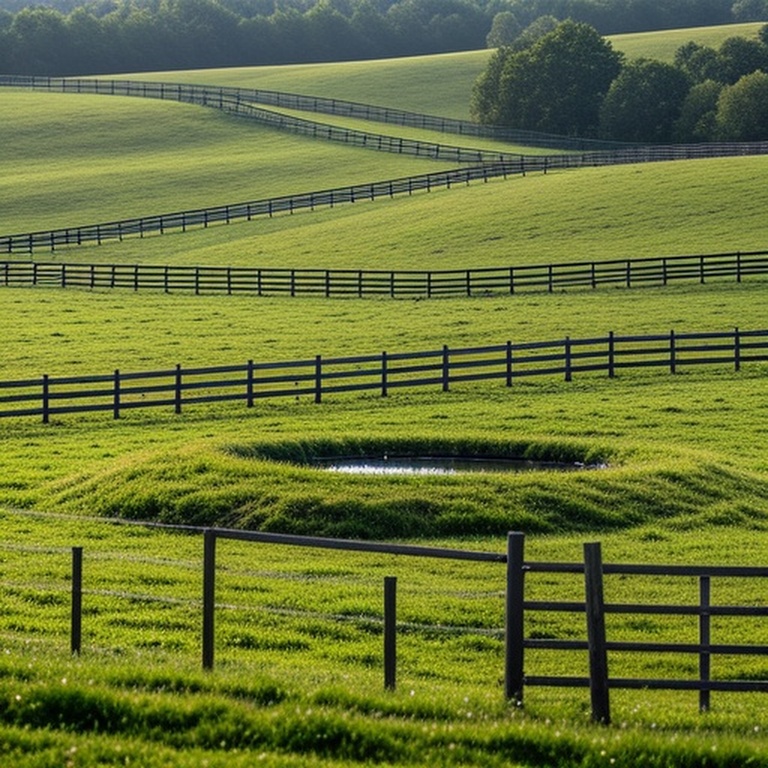
Fence layout planning determines long-term efficiency, cost control, livestock safety, and labor workload. A poorly planned layout increases daily walking distance, complicates herd movement, wastes grazing potential, and raises installation costs due to unnecessary corners and gates.
Unlike choosing fence materials, layout decisions are difficult and expensive to correct later. Once posts are set and wire is stretched, redesign requires major labor and material replacement. Proper planning ensures the fence system supports rotational grazing, water access, expansion flexibility, and safe animal handling from the beginning.
Key Factors to Consider
- Property boundaries, legal lines, and setback requirements
- Natural terrain features like slopes, creeks, and tree lines
- Water source placement and livestock travel distance
- Species behavior and herd size
- Equipment access for maintenance and feeding
Detailed Explanation
Effective livestock fence planning begins with a clear property map. Identify exact boundary lines to avoid encroachment issues. Establish the perimeter fence first, as it serves as the primary containment barrier and security layer. This fence should follow stable ground where possible and avoid unnecessary sharp angles that increase tension stress.
Once the perimeter is secured, design interior divisions based on grazing management strategy. For rotational grazing systems, paddocks should allow efficient livestock movement between sections without long travel distances to water. Ideally, water access is centralized or accessible from multiple paddocks to reduce overgrazing near a single source.
Terrain significantly affects layout decisions. Fencing across steep slopes increases erosion risk and tension instability. Following contour lines when possible reduces structural strain. Low-lying wet areas may require reinforced posts or adjusted alignment.
Gate placement is equally important. Gates should align with natural livestock movement patterns and equipment pathways. Poorly placed gates increase labor and create bottlenecks. Planning straight fence runs with minimal corners reduces material stress and long-term maintenance.
Finally, always plan for expansion. Even if herd size is currently small, leaving room for additional paddocks or reconfiguration prevents costly redesign later. A well-planned layout balances containment, grazing efficiency, and operational practicality.
Extended Practical Considerations
How Livestock Behavior Affects Layout Design
Different species move differently. Cattle tend to follow established paths and respond well to wide, gradual transitions between paddocks. Sheep and goats may require tighter spacing and reinforced sections near corners to prevent bunching pressure.
Horses prefer visible, open layouts without blind corners. Planning fence lines to maintain visibility reduces stress and injury risk. Understanding species behavior ensures that fence layout supports safe and predictable movement.
Young vs Mature Livestock Considerations
Young animals are more likely to crowd corners and test boundaries. Designing paddocks with smooth transitions and reinforced corner posts improves durability.
Mature breeding animals may require separate paddocks or reinforced divisions. Layout planning should consider segregation needs during breeding seasons.
Terrain, Visibility, and Pressure Zones
Slope direction influences effective fence height and wire tension. Planning along stable ground reduces long-term sagging and erosion.
High-pressure zones include water troughs, feeders, shade areas, and gates. These sections should be designed with reinforced posts and straight-line access to minimize structural strain.
When This Works Well
- Clearly surveyed property boundaries
- Moderate terrain with manageable slopes
- Defined grazing rotation strategy
- Centralized or accessible water distribution
- Adequate budget for perimeter reinforcement
When This Is Not Recommended
- Installing interior fencing before securing the perimeter
- Ignoring terrain erosion risks
- Placing gates without considering livestock flow
- Designing overly complex layouts with excessive corners
- Failing to account for future herd expansion
Alternatives or Better Options
Hub-and-Spoke Water Layout
Design paddocks radiating from a central water source to reduce fencing material and improve grazing efficiency.
Temporary Electric Cross Fencing
Use portable electric fencing for flexible rotational grazing before committing to permanent interior divisions.
Phased Installation Plan
Install perimeter fencing first, then gradually add interior paddocks as herd size and grazing needs evolve.
Cost / Safety / Practical Notes
Fence layout directly affects total material cost. Straight runs reduce brace assemblies and corner posts, lowering expense. Complex shapes increase tension points and long-term maintenance.
Safety considerations include equipment access for emergency situations and safe livestock movement through gates. Poor layout increases handling stress and injury risk.
Planning for efficiency reduces daily labor hours. A well-designed layout saves time every day for years, making thoughtful planning one of the most valuable investments in livestock fencing.
Quick Takeaway
Plan your livestock fence layout by securing the perimeter first, mapping terrain and water access, and designing interior paddocks for efficient animal movement. Keep lines straight, minimize corners, reinforce pressure zones, and plan for future expansion from the start.