
Short Answer
Before installing a farm fence, consider your livestock type, fence purpose (perimeter or interior), terrain conditions, budget, local regulations, and long-term expansion plans. Secure boundaries first, design for animal behavior, and choose materials that balance durability, safety, and maintenance requirements.
Why This Question Matters
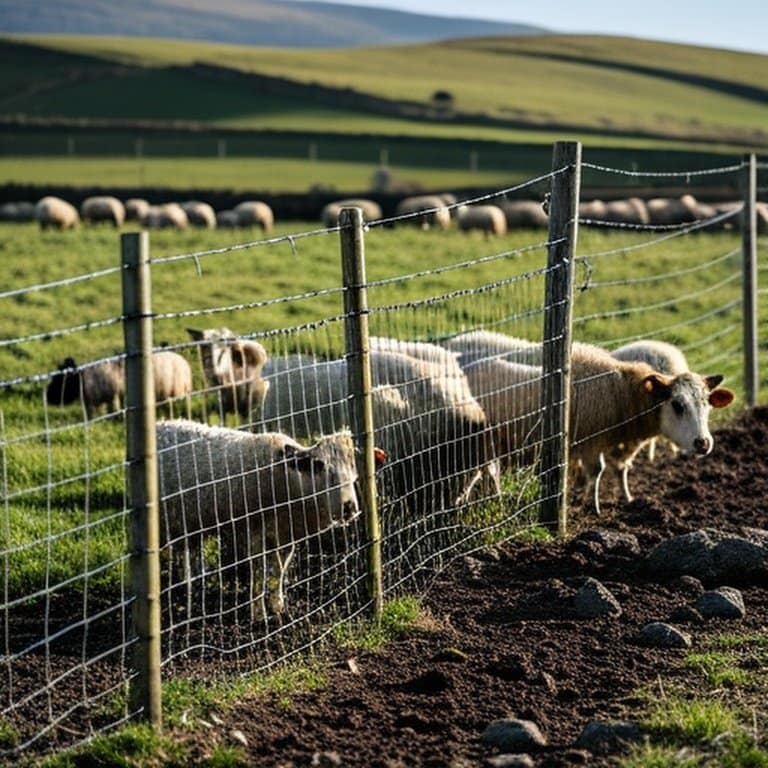
Fence installation is one of the most significant infrastructure investments on a farm. Once posts are set and wire is tensioned, changes are expensive and labor-intensive. Poor planning can lead to livestock escapes, predator vulnerability, drainage problems, or inefficient daily operations.
Many fencing failures occur not because of poor materials, but because foundational decisions were rushed. Installing the wrong type of fence, choosing incorrect height, ignoring soil conditions, or overlooking permit requirements often results in costly rework. Thoughtful planning before installation reduces long-term maintenance, improves livestock safety, and protects your investment for years.
Key Factors to Consider
- Livestock species, size, and behavioral tendencies
- Perimeter security versus interior grazing management
- Soil type, drainage patterns, and terrain slope
- Local zoning, setback, and permit requirements
- Budget limitations and future herd expansion plans
Detailed Explanation
The first consideration is livestock type. Cattle, horses, sheep, goats, and pigs each require different fence heights, spacing, and structural strength. Horses demand high visibility and safe spacing. Goats require tighter mesh and climbing resistance. Designing without accounting for species-specific behavior leads to frequent containment problems.
Second, determine the fence’s primary function. Perimeter fencing must prioritize security and durability, often requiring taller height and stronger bracing. Interior fencing for rotational grazing may rely more on electric deterrence and flexibility. Mixing these roles can result in overspending or underbuilding.
Terrain and soil conditions directly influence installation success. Rocky soil complicates post installation, while sandy soil requires deeper anchoring. Slopes reduce effective fence height and increase tension strain. Planning alignment with natural contours improves long-term stability.
Regulations also matter. Property boundaries must be clearly identified to avoid disputes. Some regions limit fence height or require permits, especially near roads. Ignoring these rules can result in fines or mandatory removal.
Finally, consider long-term growth. Installing fencing that allows paddock reconfiguration or herd expansion saves significant cost compared to redesigning later. A farm fence should support both current needs and future operational plans.
Extended Practical Considerations
How Livestock Behavior Affects This Choice
Livestock behavior determines pressure points. Cattle lean, horses may jump, sheep crowd, and goats climb. Understanding how animals interact with fences helps determine appropriate material, spacing, and height before installation begins.
High-pressure areas such as gates, feeding stations, and water access require reinforcement. Planning these zones before construction improves durability.
Young vs Mature Livestock Considerations
Young animals require tighter lower spacing to prevent escape. Calves and lambs are more likely to slip through gaps near the ground. Designing fencing only for adult animals creates containment risk.
Breeding males may require stronger and slightly taller fencing due to increased aggression during mating season.
Terrain, Visibility, and Pressure Zones
Fence alignment should follow stable ground and avoid erosion-prone areas. Installing fencing across steep slopes increases strain and long-term maintenance.
Visibility is critical for horses and high-energy livestock. Clear fence lines reduce collision risk and improve psychological respect.
When This Works Well
- Clear understanding of livestock needs
- Secure perimeter installed before interior divisions
- Stable soil conditions with proper post depth
- Straight fence runs with minimal unnecessary corners
- Planned gate placement for equipment access
When This Is Not Recommended
- Installing fencing without verifying property lines
- Choosing materials based solely on cost
- Ignoring soil stability and drainage patterns
- Building interior fencing before securing perimeter
- Failing to plan for herd expansion
Alternatives or Better Options
Phased Installation Approach
Install perimeter fencing first, then gradually add interior paddocks as budget and herd size increase.
Electric Reinforcement Strategy
Combine physical fencing with electric strands to reduce required material mass while improving containment reliability.
Temporary Layout Testing
Use portable electric fencing to test paddock layout before committing to permanent installation.
Cost / Safety / Practical Notes
Fence installation costs include materials, labor, post depth, bracing systems, and long-term maintenance. Taller fencing increases material and anchoring requirements. Choosing the cheapest material often leads to frequent repair costs.
Safety considerations include preventing entanglement, avoiding sharp edges, and ensuring gates operate smoothly. Poor installation increases injury risk for both animals and handlers.
The most cost-effective strategy is to plan thoroughly, design for livestock behavior, secure the perimeter first, and select materials suited to terrain and climate conditions.
Quick Takeaway
Before installing a farm fence, evaluate livestock needs, terrain conditions, regulations, and long-term goals. Secure your perimeter first, design for behavior and safety, and choose materials that balance durability with cost efficiency.