
Short Answer
In most cases, you should secure the entire perimeter first, then develop key interior areas in phases. A strong perimeter fence protects livestock from escape, predators, and liability risks. Once boundaries are secure, you can prioritize high-use areas such as grazing paddocks, feeding zones, or breeding pens based on budget and management goals.
Why This Question Matters
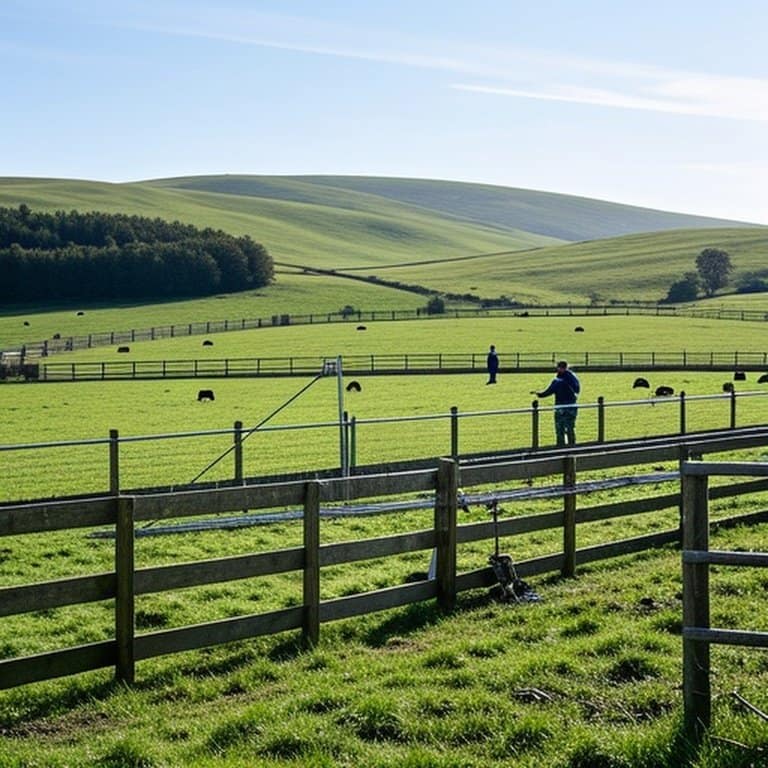
Fencing is a major capital investment. Attempting to fence the entire property at once can strain budget and labor resources. On the other hand, starting only with isolated key areas without securing the perimeter may expose livestock to escape risks and external threats.
The order of installation directly affects long-term efficiency and safety. Perimeter fencing functions as the primary containment barrier. Interior fencing manages grazing and livestock movement. Mixing these priorities often results in overspending on internal divisions while leaving boundaries vulnerable. Strategic sequencing ensures both security and cost control.
Key Factors to Consider
- Livestock escape risk and predator exposure
- Current herd size and expansion plans
- Available installation budget and labor
- Property boundaries and neighboring land use
- Rotational grazing or management strategy
Detailed Explanation
The perimeter fence serves as the farm’s security system. It protects livestock from escaping onto roads or neighboring properties and reduces predator intrusion. Without a secure boundary, interior fencing offers limited protection because animals can still leave the property if internal divisions fail.
Once the perimeter is established, you can phase in interior fencing according to operational priorities. For example, rotational grazing systems often benefit from subdividing pastures into smaller paddocks. However, these divisions can be added gradually using electric fencing to manage costs.
Budget considerations often influence the decision. Installing perimeter fencing requires significant upfront investment due to longer runs, corner bracing, and gate systems. Completing it first ensures that future interior improvements occur within a secure structure.
However, there are exceptions. If livestock are confined to a small section of a large property, temporarily fencing key areas may be practical while perimeter development continues. This phased approach works best when livestock numbers are small and risk exposure is limited.
In most long-term operations, building outward from a secure boundary provides the safest and most cost-effective path.
Extended Practical Considerations
How Livestock Behavior Affects This Choice
High-energy livestock or species prone to roaming increase the importance of a strong perimeter. Horses and goats, for example, may test boundaries more frequently than cattle.
If animals are already trained to respect fencing, interior cross fencing can be implemented efficiently once the perimeter is secure.
Young vs Mature Livestock Considerations
Young animals are more likely to exploit weak areas. Securing the entire boundary first prevents accidental escapes during early herd development.
Breeding animals may require separate pens, but these should ideally be constructed within a secured perimeter system.
Terrain, Visibility, and Pressure Zones
Large properties with uneven terrain may require phased installation simply due to labor intensity. Begin with accessible, high-priority boundary lines before expanding into difficult terrain.
High-pressure zones near roads or neighboring properties should be prioritized within the perimeter plan.
When This Works Well
- Clear property boundaries already surveyed
- Moderate to high livestock numbers
- Predator exposure present
- Long-term livestock operation planned
- Budget allows phased interior expansion
When This Is Not Recommended
- Ignoring perimeter security in high-risk areas
- Installing complex interior systems without boundary control
- Large properties with no livestock yet present
- Extremely limited budget preventing basic perimeter completion
- Temporary grazing projects without long-term commitment
Alternatives or Better Options
Phased Perimeter Installation
Divide the perimeter into sections and complete the highest-risk boundaries first, such as roadside areas.
Temporary Containment Zones
Use portable electric fencing to secure livestock in key areas while permanent perimeter fencing is installed gradually.
Hybrid Strategy
Secure perimeter fencing with durable materials and use cost-effective electric cross fencing for interior management.
Cost / Safety / Practical Notes
Perimeter fencing typically represents the highest upfront cost due to length and structural requirements. However, it provides the greatest risk reduction. Interior fencing can often be installed at lower cost using electric systems.
Safety considerations include preventing livestock access to roads and neighboring land. Liability exposure increases significantly without a secure perimeter.
From a long-term perspective, prioritizing boundary security first, then adding interior improvements as needed, offers the best balance between cost, flexibility, and operational safety.
Quick Takeaway
Secure your entire perimeter first to establish safety and containment. Then develop key interior areas in phases based on grazing needs, herd size, and budget. Building from the outside in provides the most stable and cost-effective approach.