
Short Answer
To plan for future herd expansion, design your fencing, paddock layout, water systems, and handling facilities with scalable flexibility. Secure a strong perimeter first, leave space for additional interior divisions, oversize key infrastructure like gates and lanes, and ensure pasture capacity can support higher stocking rates without degrading land health.
Why This Question Matters
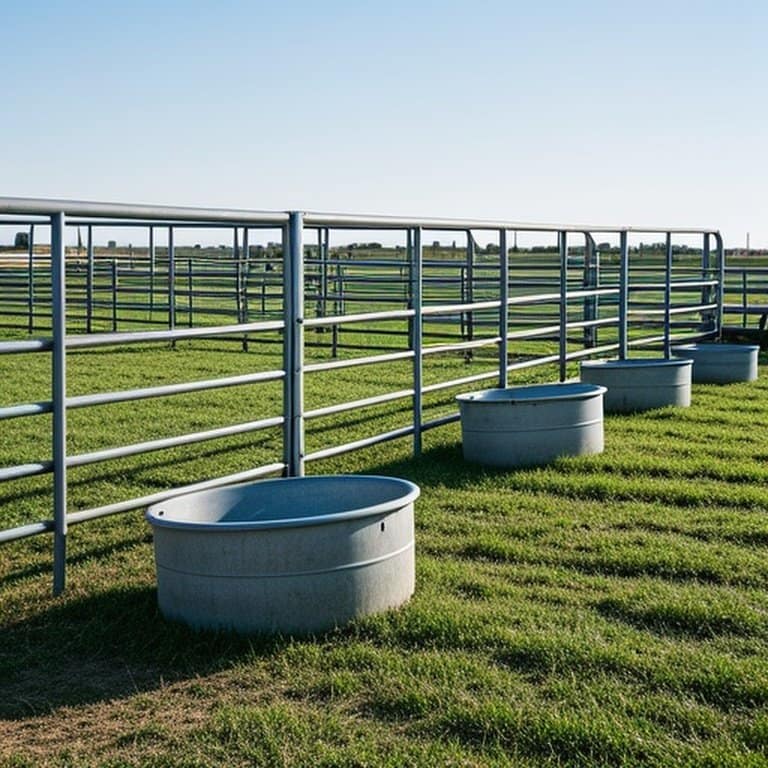
Many livestock operations start small but grow over time. If fencing and layout decisions are based only on current herd size, expansion often requires expensive redesign, post relocation, and additional infrastructure installation. Retrofitting a fence system costs significantly more than planning for growth from the beginning.
Herd expansion affects more than pasture space. Increased stocking density changes pressure on fence lines, water access points, gates, and handling facilities. Without forward planning, higher animal numbers can create mud zones, structural failure, grazing imbalance, and daily labor inefficiencies. Building scalability into the initial design protects both financial investment and operational flexibility.
Key Factors to Consider
- Maximum potential herd size within five to ten years
- Pasture carrying capacity and forage recovery rates
- Space for additional paddocks and cross fencing
- Water supply capacity and distribution system
- Handling facilities and equipment access lanes
Detailed Explanation
The first step in planning for expansion is estimating realistic herd growth. Consider breeding rates, market demand, and available land. Designing infrastructure only for present herd size may limit growth potential or require expensive modifications later.
Perimeter fencing should be built strong enough to handle increased herd pressure. Taller, well-braced boundaries reduce risk when animal numbers grow. Interior fencing can initially be minimal, but layout should allow easy subdivision later without disrupting core infrastructure.
Water systems must also scale. A single trough sufficient for 20 animals may be inadequate for 60. Planning centralized or expandable water systems prevents costly plumbing upgrades. Similarly, access lanes and gates should be wide enough to accommodate larger herd movement and equipment.
Pasture capacity is critical. Increasing herd size without adjusting paddock rotation leads to overgrazing and soil degradation. Designing paddocks that can be subdivided with electric fencing provides flexibility as stocking density changes.
Finally, handling facilities—such as sorting pens or loading areas—should be positioned to allow future enlargement. Even if built smaller initially, the layout should permit extension without moving primary fence lines.
Planning with expansion in mind reduces long-term restructuring and improves operational stability.
Extended Practical Considerations
How Cattle Behavior Affects Expansion Planning
As herd size increases, cattle exert greater pressure on fence lines, especially near gates and water sources. Reinforced brace assemblies and stabilized footing reduce long-term structural stress.
High-density movement requires wider lanes to prevent crowding and injury.
Calves vs Mature Livestock Considerations
Growing herds often mean mixed-age groups. Additional paddocks may be necessary to separate calves, breeding animals, or finishing stock.
Planning flexible interior fencing from the start simplifies age-based segregation.
Terrain, Visibility, and Pressure Zones
Expansion may require using land previously considered marginal. Identify stable, well-drained areas suitable for future paddocks.
High-traffic corridors should be designed to handle increased use without erosion.
When This Works Well
- Long-term livestock operation planned
- Adequate pasture acreage available
- Perimeter fencing already robust
- Flexible electric cross fencing incorporated
- Scalable water distribution system
When This Is Not Recommended
- Limited land capacity with no expansion room
- Poor soil conditions prone to overgrazing damage
- Insufficient water supply for larger herd
- Budget constraints preventing perimeter reinforcement
- Temporary or short-term livestock projects
Alternatives or Better Options
Modular Paddock Design
Design larger paddocks that can later be subdivided with electric fencing as herd size increases.
Phased Infrastructure Upgrades
Install durable perimeter fencing first, then gradually expand interior divisions and water systems.
Lease Additional Grazing Land
Instead of overbuilding infrastructure early, consider temporary land expansion through leasing.
Cost / Safety / Practical Notes
Oversizing infrastructure slightly at the beginning is often more cost-effective than complete redesign later. Reinforced posts, larger gates, and scalable water systems reduce future upgrade expenses.
However, overbuilding too early can strain budgets unnecessarily. Balance projected growth with realistic timelines.
Safety considerations increase with herd density. Ensure sufficient space in handling areas and avoid narrow corridors that increase stress and injury risk.
Design flexibility—rather than maximum build-out—is the most practical expansion strategy.
Quick Takeaway
Plan for herd expansion by building a strong perimeter, designing scalable paddocks, reinforcing high-pressure areas, and installing water systems that can handle increased demand. Flexible layout planning today prevents costly redesign tomorrow.