
Short Answer
Perimeter fencing encloses and secures the entire property boundary, serving as the primary containment and protection barrier. Interior fencing (also called cross fencing) divides land within the perimeter to manage grazing, herd separation, or livestock flow. The perimeter focuses on security and durability; interior fencing focuses on flexibility and management efficiency.
Why This Question Matters
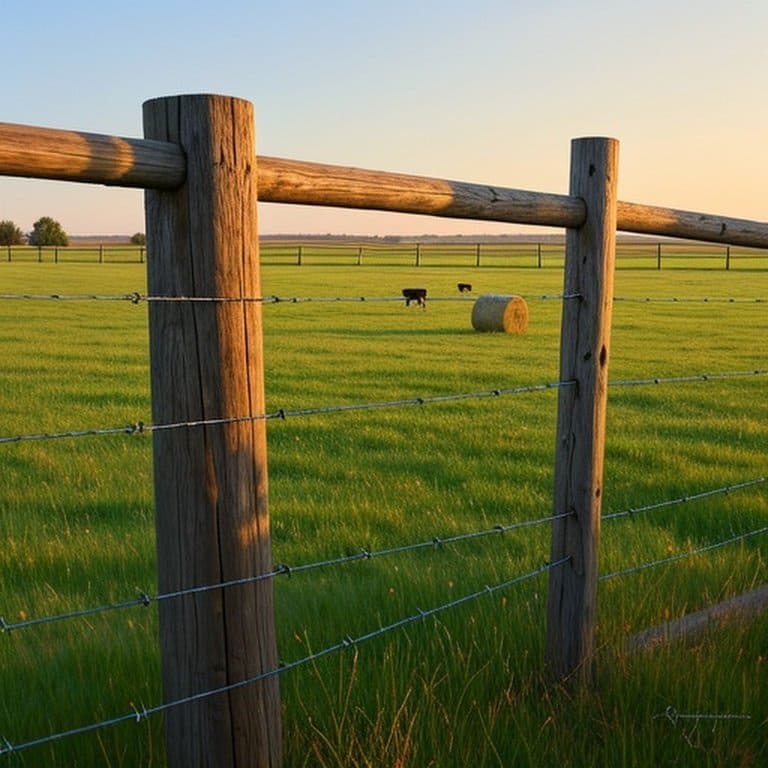
Understanding the difference between perimeter and interior fencing is essential for cost control, livestock safety, and long-term farm planning. Many new landowners overspend on interior divisions before securing a strong boundary—or underbuild the perimeter while focusing on grazing layout.
Each type of fencing serves a different structural and operational purpose. Perimeter fencing must withstand external pressure, potential predators, road exposure, and legal liability. Interior fencing, by contrast, helps manage grazing rotation, breeding separation, or livestock grouping. Confusing these roles often results in structural weaknesses, unnecessary expenses, and daily inefficiencies.
Key Factors to Consider
- Security needs versus grazing management goals
- Predator pressure and road exposure
- Livestock species and herd size
- Long-term expansion and subdivision plans
- Budget allocation between permanent and flexible systems
Detailed Explanation
Perimeter fencing is the outermost boundary of a farm or pasture. Its primary function is containment and protection. It must be durable, properly braced, and capable of withstanding pressure from livestock and external forces. Because it defines legal boundaries and prevents escape, perimeter fencing is typically taller, stronger, and built with heavier materials.
Interior fencing exists inside that boundary. Its purpose is management rather than security. Interior fences divide pasture into paddocks for rotational grazing, separate livestock by age or breeding status, or create controlled movement lanes. Since animals remain within the secured perimeter, interior fencing can often rely more on psychological deterrents such as electric wire rather than heavy physical barriers.
Structural design also differs. Perimeter fencing usually requires reinforced corner braces and strong posts. Interior fencing may use lighter posts, temporary systems, or portable electric fencing to allow layout flexibility.
Cost distribution reflects these roles. Perimeter fencing represents the foundational investment. Interior fencing adds operational efficiency but can often be installed in phases. Designing both systems with clear purpose ensures long-term stability and efficient livestock management.
Extended Practical Considerations
How Cattle Behavior Affects This Choice
Cattle apply consistent pressure along perimeter boundaries, especially near roads or neighboring livestock. A strong outer fence prevents escape and legal liability.
Interior cross fencing allows controlled movement between paddocks, improving forage utilization and reducing overgrazing.
Calves vs Mature Livestock Considerations
Young animals may require tighter spacing in interior fencing, especially if used for segregation.
Breeding males may require reinforced perimeter sections if fence lines border neighboring livestock.
Terrain, Visibility, and Pressure Zones
Perimeter fencing often runs along uneven property boundaries and may cross variable terrain, requiring stronger structural reinforcement.
Interior fencing can be aligned with contour lines to reduce erosion and improve pasture management.
When This Works Well
- Strong perimeter fence installed first
- Interior fencing designed for rotational grazing
- Clear distinction between security and management roles
- Flexible interior systems such as electric cross fencing
- Properly reinforced corners and gate areas
When This Is Not Recommended
- Installing interior fencing before securing boundaries
- Using lightweight materials for perimeter fencing
- Overbuilding interior divisions unnecessarily
- Ignoring predator or road exposure risks
- Failing to plan for herd expansion
Alternatives or Better Options
Hybrid Perimeter + Electric Interior System
Use durable woven wire or high-tensile perimeter fencing combined with flexible electric cross fencing inside.
Phased Interior Expansion
Install perimeter fencing first, then gradually add paddocks based on grazing needs and herd growth.
Centralized Lane Systems
Design a central movement corridor inside the perimeter to improve livestock flow between interior paddocks.
Cost / Safety / Practical Notes
Perimeter fencing typically accounts for the highest structural investment because it requires stronger materials and bracing. However, it provides maximum security and risk reduction.
Interior fencing can be more cost-effective, especially when using electric systems. It offers flexibility but depends on livestock training and consistent maintenance.
Safety considerations differ: perimeter fencing prevents escape and external intrusion, while interior fencing must support smooth livestock movement without creating bottlenecks.
Understanding the structural and functional distinction between these two systems allows better budget allocation and long-term farm efficiency.
Quick Takeaway
Perimeter fencing secures and protects the entire property, while interior fencing manages livestock movement and grazing within that boundary. Build the perimeter strong and permanent, then design interior fencing for flexibility and operational efficiency.