
Short Answer
Predator pressure significantly increases the strength, height, wire spacing, and reinforcement requirements of perimeter fencing. In areas with coyotes, wolves, dogs, or other predators, fences must prevent digging, climbing, or squeezing through gaps. This often means tighter mesh spacing, added electric strands, reinforced corners, and sometimes buried or skirted wire sections.
Why This Question Matters
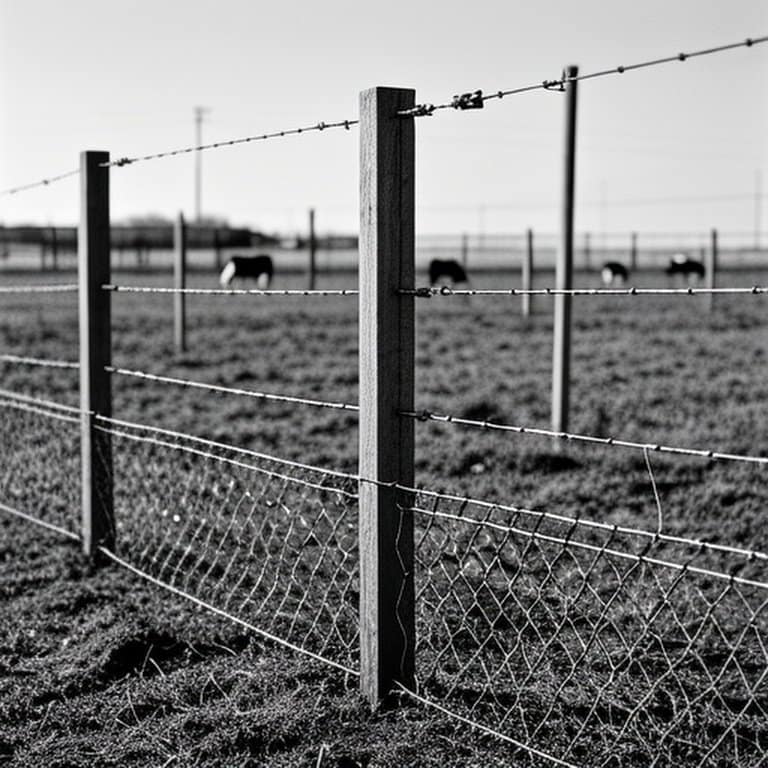
Perimeter fencing serves two purposes: keeping livestock in and keeping threats out. In low-risk areas, containment may be the primary concern. But where predator pressure exists, perimeter design becomes a defensive system.
Predators exploit weaknesses—loose bottom wires, wide spacing, low voltage, or poorly braced corners. A fence built only for livestock containment may fail when tested by a determined predator.
Losses from predation can quickly outweigh the savings from lighter fencing. Young animals are especially vulnerable. In many regions, coyotes, stray dogs, or even larger predators routinely test farm boundaries.
Understanding predator behavior and designing your perimeter accordingly reduces livestock loss, stress, and long-term financial impact.
Key Factors to Consider
- Type and size of local predators
- Digging vs climbing predator behavior
- Livestock age and vulnerability
- Terrain and visibility along fence lines
- Ability to maintain electric voltage consistently
Detailed Explanation
Different predators require different defensive strategies. Coyotes and dogs often attempt to dig under fences. In these cases, tight bottom spacing, low electric strands, or buried mesh can prevent entry. A gap of even a few inches at ground level may invite intrusion.
Climbing predators may attempt to scale woven wire or use fence posts for leverage. Taller fencing or outward-angled electric wires increase deterrence.
Predator pressure also increases the importance of fence tension and structural strength. Loose fencing can be pushed upward or pulled apart. Reinforced brace assemblies at corners and gates prevent weak points.
Electric fencing plays a powerful role in predator deterrence, particularly when multiple hot strands are used at varying heights. However, electric-only perimeter systems require reliable grounding and regular vegetation control to maintain effectiveness.
Ultimately, predator pressure transforms a perimeter fence from a passive barrier into an active security structure. Design must anticipate intentional attempts at breach.
Extended Practical Considerations
How Cattle Behavior Affects This Choice
Livestock under predator stress may crowd or push against fences. This internal pressure increases structural strain on perimeter lines.
Stronger materials and proper bracing reduce failure risk during panic events.
Calves vs Mature Livestock Considerations
Young animals are more vulnerable to predators and may require tighter mesh spacing along the lower fence section.
Lambs, kids, and calves often require additional electric deterrence near ground level.
Terrain, Visibility, and Pressure Zones
Predators often approach from wooded edges, brush lines, or uneven terrain.
Perimeter sections near tree cover or drainage areas may require extra reinforcement and closer inspection.
When This Works Well
- Tight woven wire perimeter fencing
- Added low and offset electric strands
- Properly tensioned wire and reinforced corners
- Cleared vegetation along fence lines
- Regular voltage monitoring
When This Is Not Recommended
- Single-strand perimeter fencing in predator-prone areas
- Wide bottom gaps without ground-level deterrence
- Poor maintenance of electric systems
- Lightweight posts on boundary lines
- Ignoring brush buildup near fences
Alternatives or Better Options
Predator-Resistant Woven Wire
Use small-mesh woven wire that prevents squeezing and climbing.
Electric Offset System
Add offset hot wires at nose height and near ground level to deter digging and leaning.
Buried Fence Skirt
Install wire mesh extending outward at ground level to prevent digging entry.
Cost / Safety / Practical Notes
Upgrading perimeter fencing for predator resistance increases upfront material and labor costs. However, predation losses can accumulate quickly, especially in small ruminant operations.
Electric reinforcement is often a cost-effective upgrade when paired with physical fencing. The trade-off lies in maintenance: voltage must remain consistent, and vegetation must be controlled.
The practical principle is clear: higher predator pressure demands stronger, tighter, and more actively maintained perimeter fencing.
Quick Takeaway
Predator pressure directly increases the strength, spacing, and reinforcement requirements of perimeter fencing. In high-risk areas, combine tight physical fencing with electric deterrence to create a reliable defensive boundary.