
Short Answer
To transition from perimeter-only fencing to full rotational grazing, start by securing a strong boundary, then gradually add interior cross fencing—typically electric—to divide pastures into manageable paddocks. Begin with a simple layout, ensure reliable water access in each section, and expand in phases as you refine your grazing schedule.
Why This Question Matters
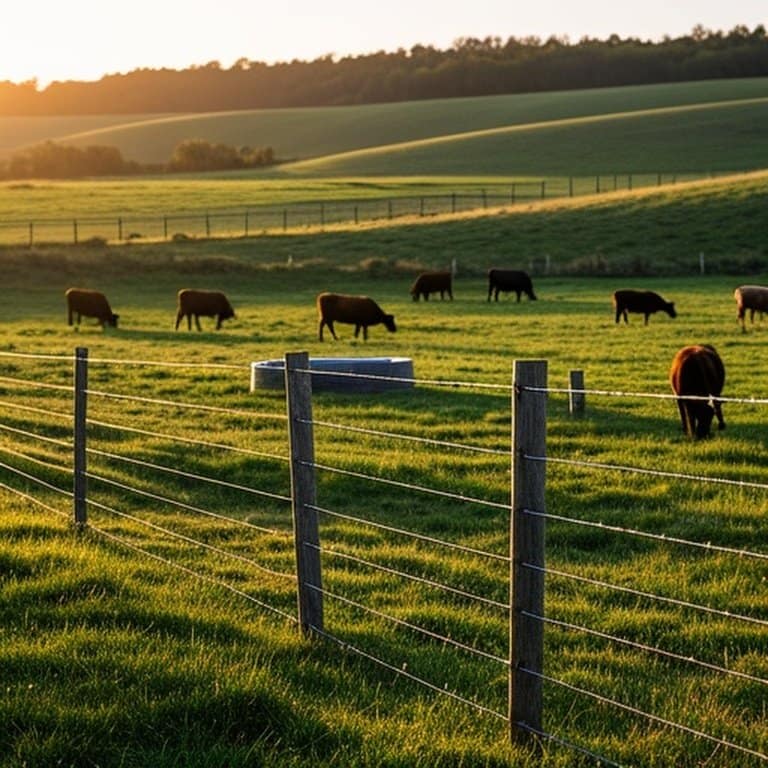
Many farms begin with a single perimeter fence designed only for containment. While this keeps livestock secure, it limits pasture control, forage recovery, and stocking efficiency. Transitioning to rotational fencing is not just about adding wires—it changes how land is managed.
Done correctly, rotational systems improve forage utilization, reduce overgrazing, and support better animal health. Done poorly, they create logistical frustration, water access problems, and unnecessary cost.
Understanding how to move from a perimeter-only system to structured paddocks helps avoid overbuilding, protects your initial investment, and allows you to scale gradually rather than redesign everything at once.
Key Factors to Consider
- Strength and reliability of your existing perimeter fence
- Water availability in each future paddock
- Type of livestock and stocking density
- Terrain limitations and natural movement patterns
- Budget and willingness to manage electric systems
Detailed Explanation
The first step is evaluating your perimeter. Rotational grazing only works if animals remain securely contained. If your boundary fence is weak, investing in interior divisions before reinforcing the perimeter creates risk.
Next, identify how many paddocks you realistically need. Beginners often overcomplicate layouts. Start with two to four divisions rather than ten. A simple split allows you to practice moving animals and observing pasture recovery before committing to a complex grid.
Electric fencing is typically the most efficient interior solution. High-tensile wire or polywire systems are affordable, flexible, and easy to adjust. Because animals are already trained to respect the boundary fence, they usually adapt quickly to electric cross fencing.
Water placement becomes the most critical design factor. Ideally, paddocks should share central water access or have water lines that reach each division. Poor water planning can make rotational systems labor-intensive.
Transitioning in phases reduces financial strain. Build one division, observe grazing results for a season, then expand. The goal is management improvement—not building the perfect layout on day one.
By starting simple, reinforcing containment, and expanding strategically, you convert a static perimeter system into a flexible, forage-driven grazing plan.
Extended Practical Considerations
How Cattle Behavior Affects This Choice
Cattle adapt quickly to electric cross fencing when perimeter boundaries are already secure.
Animals move more calmly when paddock sizes are consistent and movement paths are clear.
Calves vs Mature Cattle Considerations
Calves may test new interior fencing more frequently during early transitions.
Additional lower strands may be required until animals respect the electric system.
Terrain, Visibility, and Pressure Zones
Avoid creating paddocks that force animals into narrow corners or steep slopes.
Design divisions that follow natural contours for easier movement and better forage use.
When This Works Well
- Strong, well-maintained perimeter fence already in place
- Reliable energizer and proper grounding system
- Centralized or accessible water points
- Gradual expansion over multiple grazing seasons
- Clear grazing rotation schedule
When This Is Not Recommended
- Weak perimeter fencing with escape risks
- No consistent water distribution plan
- Overstocked pastures without recovery time
- Complex layouts installed before testing basics
- Unwillingness to monitor electric voltage
Alternatives or Better Options
Temporary Electric First Approach
Use movable polywire and step-in posts to test paddock sizes before installing permanent high-tensile interior fencing.
Central Water Hub Design
Build a central lane or water access point that serves multiple paddocks, reducing plumbing complexity.
Hybrid Semi-Permanent Layout
Install permanent division lines in main corridors and use temporary fencing to create flexible sub-paddocks.
Cost / Safety / Practical Notes
Transitioning to rotational fencing typically involves modest upfront interior fencing costs compared to rebuilding perimeter boundaries. Electric cross fencing is cost-effective, but it requires management—voltage checks, vegetation control, and seasonal adjustments.
Safety improves when paddocks reduce overcrowding and allow forage recovery. However, poor grounding or underpowered energizers reduce effectiveness and increase testing behavior in livestock.
Plan budget allocation carefully. Invest in a strong energizer and grounding system before expanding fencing length. Reliable power ensures animals respect the new layout.
A phased transition spreads costs over time while allowing management skills to develop alongside infrastructure.
Quick Takeaway
Start with a secure perimeter, add simple electric cross fencing in phases, ensure reliable water access, and expand gradually. Rotational fencing is a management upgrade—not just a construction project.