
Short Answer
Cross fencing lanes for moving cattle are typically 12 to 20 feet wide for small to moderate herds, and 20 to 30 feet wide for larger groups or equipment access. The ideal width depends on herd size, temperament, terrain, and whether machinery needs to share the lane.
Why This Question Matters
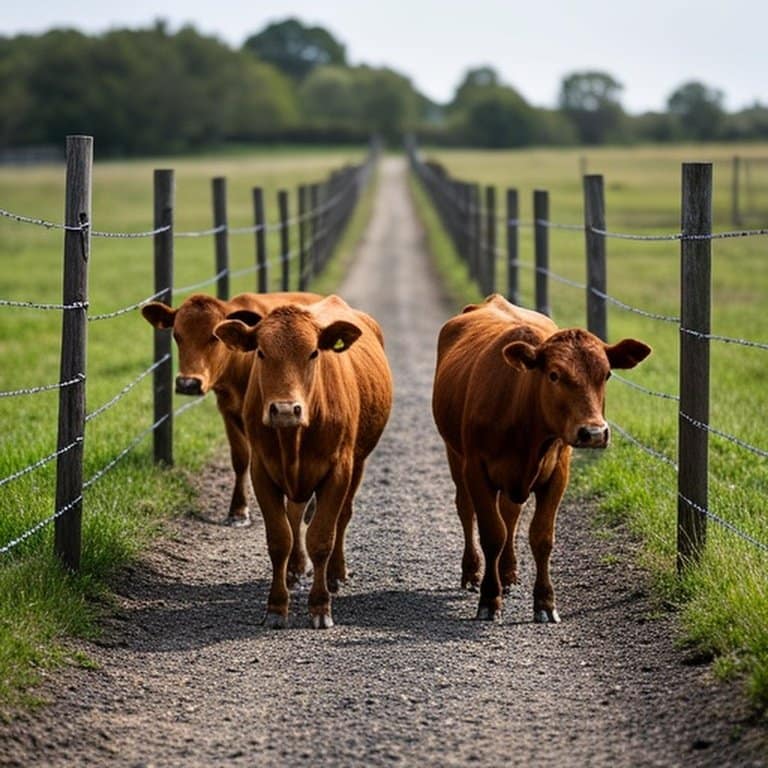
Lane width directly affects cattle flow, stress levels, and pasture damage. If lanes are too narrow, cattle bunch up, hesitate, or push against fencing, increasing the risk of injury and fence failure. If lanes are too wide, animals may turn around, spread out, or overgraze the lane itself.
Properly sized lanes improve low-stress livestock handling, reduce mud buildup, and support efficient rotational grazing. They also determine whether tractors, ATVs, or feed equipment can safely move through the system.
In rotational systems where cattle move frequently, a well-designed lane saves time daily. Poor lane design creates bottlenecks, labor frustration, and long-term pasture damage.
Key Factors to Consider
- Total herd size moving at one time
- Animal temperament and handling style
- Need for equipment or vehicle access
- Soil type and drainage conditions
- Distance between paddocks and water points
Detailed Explanation
For most small to mid-size beef operations, a 12–16 foot lane allows cattle to move calmly in two to three animals abreast. This width prevents crowding while keeping forward flow steady. Narrower than 10–12 feet often causes hesitation, especially at turns or gates.
As herd size increases, lane width should expand proportionally. Groups of 75–150 head typically benefit from 18–24 foot lanes to avoid pressure buildup. When cattle feel confined, they push forward aggressively, increasing fence strain and stress levels.
If machinery needs to pass through, plan for at least 20 feet of width. Tractors, manure spreaders, or bale feeders require clearance beyond animal movement space. In mixed-use lanes, 24–30 feet provides safer dual-purpose access.
Soil and drainage also influence width decisions. Narrow lanes concentrate hoof traffic, leading to mud and erosion. Slightly wider lanes distribute impact more evenly, preserving ground cover.
Curves and corners require extra width. Cattle slow down and bunch at turns, so adding 2–4 extra feet at bend points improves flow.
How Cattle Behavior Affects This Choice
Calm, well-trained cattle move easily through narrower lanes. Excitable or unfamiliar herds require additional width to reduce pressure buildup.
Animals prefer forward visibility. Straight, moderately wide lanes encourage steady movement. Sudden narrowing or sharp turns increase hesitation and stress.
Calves vs Mature Cattle Considerations
Cow-calf pairs need slightly more width than mature-only herds. Calves may drift or stop unexpectedly, so 16–20 feet is often safer.
Yearlings or feeder cattle typically move efficiently through moderate-width lanes, provided visibility and footing are good.
Terrain, Visibility, and Pressure Zones
Steep or slippery ground demands wider lanes to reduce crowding risk. Wet soils benefit from distributed hoof traffic.
High-traffic zones near water or working pens should allow comfortable animal spacing to prevent bottlenecks and erosion.
When This Works Well
- Rotational systems with frequent cattle moves
- Herds under 150 head moving as a group
- Farms integrating equipment access
- Properties with moderate slopes
- Operations prioritizing low-stress handling
When This Is Not Recommended
- Extremely large herd movements in narrow lanes
- Mud-prone areas without drainage planning
- Sharp turns without added width
- High-pressure handling environments
- Mixed livestock species sharing the same lane
Alternatives or Better Options
Dual-Lane System
Create one permanent equipment lane (24–30 feet) and use temporary fencing to form narrower livestock corridors when needed.
Temporary Adjustable Lanes
Use polywire or step-in posts to widen or narrow lanes seasonally, adapting to herd size and ground conditions.
Cost / Safety / Practical Notes
Wider lanes increase fencing material costs and land allocation. However, undersized lanes often create higher long-term maintenance costs due to erosion and fence damage.
Plan drainage early. Install slight crowning or side grading in permanent lanes to prevent water accumulation. Reinforce high-traffic areas with gravel or geotextile fabric if needed.
Consider gate placement carefully. Gates should match lane width to avoid artificial choke points.
Design for future herd growth. Expanding a lane later can require relocating posts and wire—building slightly wider initially often saves labor long term.
Quick Takeaway
Most cattle cross fencing lanes should be 12–20 feet wide, expanding to 20–30 feet when handling larger herds or equipment. Width should support calm cattle flow, prevent soil damage, and accommodate future expansion.