
Short Answer
Yes, in most rotational grazing systems, electric fencing can be used for all interior divisions—and sometimes even the perimeter—as long as livestock are properly trained and the system delivers consistent voltage. The key is strong grounding, adequate energizer capacity, and thoughtful layout design.
Why This Question Matters
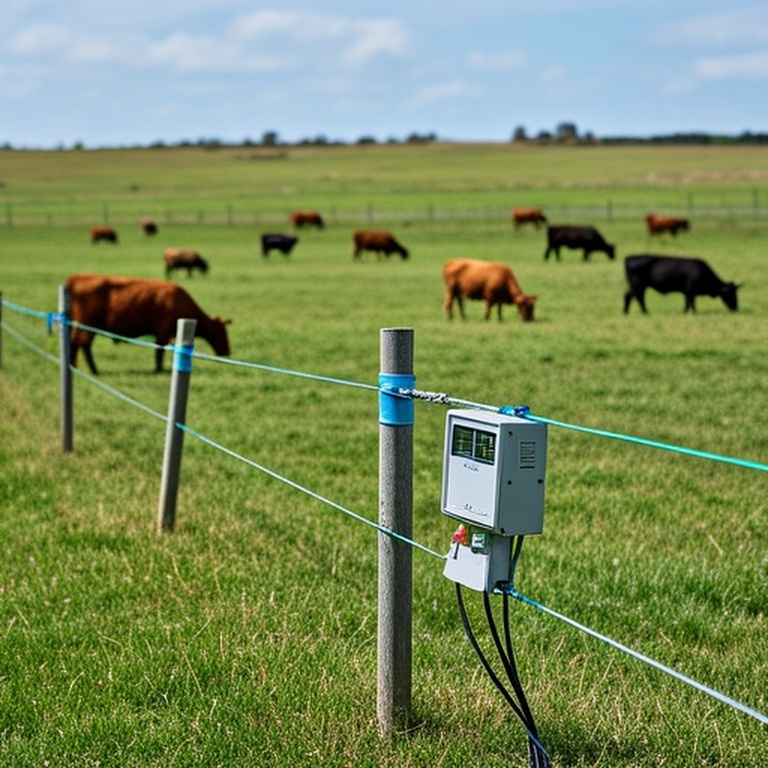
Rotational grazing depends on flexible paddock divisions. Producers often wonder whether they need woven wire, barbed wire, or permanent materials for every section—or if electric fencing alone is enough.
Choosing the wrong type can increase costs unnecessarily or create weak control points that reduce grazing efficiency.
Electric fencing is widely used because it is adaptable, scalable, and economical. But its effectiveness depends on animal behavior, predator pressure, terrain, and maintenance discipline.
If electric fencing can safely manage all divisions, it simplifies installation and reduces long-term costs. If it cannot, strategic reinforcement may be necessary.
Understanding when electric works—and when it does not—prevents expensive redesign later.
Key Factors to Consider
- Livestock training and temperament
- Energizer size and voltage consistency
- Predator presence in the region
- Perimeter strength versus interior flexibility
- Terrain and vegetation load
Detailed Explanation
Electric fencing works primarily through psychological barriers rather than physical strength. In rotational grazing systems, this is often ideal. Animals quickly learn to respect a properly energized fence, allowing single- or double-strand divisions to control movement efficiently.
Interior cross fencing is where electric shines. It allows producers to shift paddock size, adjust grazing intensity, and expand divisions over time. Temporary polywire, step-in posts, or semi-permanent high-tensile systems make management flexible without major infrastructure costs.
However, perimeter fencing requires more caution. While electric perimeter fencing can work—especially in low-pressure environments—it must deliver consistent, strong voltage and remain free of vegetation shorts. In areas with heavy wildlife pressure, predators, or road exposure, combining electric with woven wire or physical fencing may provide greater security.
System capacity is critical. Every additional division adds load to the energizer. Poor grounding, insufficient joule output, or excessive fence length can reduce effectiveness across the entire system.
Electric fencing can manage all divisions—but only when the infrastructure behind it is strong enough to support the demand.
How Cattle Behavior Affects This Choice
Well-trained cattle respond extremely well to electric fencing. Mature animals that have experienced consistent voltage rarely challenge interior wires.
Untrained or recently transported cattle may test fences initially. Strong voltage and visual markers (such as poly tape) improve compliance during training periods.
Calves vs Mature Cattle Considerations
Calves may slip under single high wires if spacing is too wide. Lower strand placement improves containment.
Yearlings and mature cattle typically respect one or two properly charged wires once conditioned.
Terrain, Visibility, and Pressure Zones
Heavy vegetation increases grounding risk and voltage loss.
Areas near water or mineral stations may require additional strands due to animal pressure.
When This Works Well
- Rotational grazing systems with trained livestock
- Farms prioritizing flexibility and expansion
- Low predator or wildlife intrusion areas
- Producers committed to regular voltage monitoring
- Operations using strong, properly grounded energizers
When This Is Not Recommended
- High predator pressure regions
- Areas bordering highways or public access
- Poor grounding soil conditions without corrective systems
- Operations lacking routine fence maintenance
- Large herds with insufficient energizer capacity
Alternatives or Better Options
Hybrid System (Electric Interior, Physical Perimeter)
Many producers use strong woven or barbed perimeter fencing with electric cross fencing inside. This provides maximum security with interior flexibility.
High-Tensile Semi-Permanent Electric System
For long-term divisions that rarely change, high-tensile electric with permanent posts offers durability while retaining lower costs than woven wire.
Cost / Safety / Practical Notes
Electric fencing is typically the most cost-effective option per foot for rotational grazing. It reduces post requirements and material expenses, especially for interior divisions.
However, energizer upgrades, grounding rods, lightning protection, and maintenance time must be factored into total system cost.
Safety depends on proper installation. Use approved energizers, maintain adequate grounding, and follow manufacturer guidelines.
A weak electric fence is worse than none at all—inconsistent voltage teaches animals they can push boundaries.
Design capacity first. Then divide confidently.
Quick Takeaway
Electric fencing can manage all rotational grazing divisions when livestock are trained, voltage is strong, and grounding is adequate. For most systems, electric interior fencing combined with a solid perimeter provides the best balance of cost, flexibility, and control.