
Horse Fencing Guide
Overview
Horse fencing prioritizes safety, visibility, and injury prevention above containment strength alone, distinguishing it fundamentally from cattle or goat fencing systems. Material selection directly affects injury risk, with smooth surfaces, appropriate spacing, and high visibility reducing accidents from impact, entanglement, or panic responses. Understanding proper horse fence height, safe material choices, and behavioral considerations helps owners create secure environments protecting valuable animals from preventable injuries. Whether managing breeding stock, performance horses, or recreational animals, proper fence design balances containment effectiveness with accident prevention across diverse property types and management scenarios.
Watch: Step-by-step horse fence installation and safety guide.
What This Guide Covers
What type of fencing is safest for horses?
Horse fence safety depends on material smoothness, visibility, and flexibility absorbing impact without causing entanglement or puncture injuries. Best fencing for horses typically includes wood rail, woven wire with smooth surfaces, or modern composite materials providing visibility without sharp edges. Barbed wire and certain wire configurations create unacceptable injury risks for horses prone to panic responses and powerful impact forces.
What fence height is recommended for horses?
Standard horse fencing requires minimum heights of 54-60 inches depending on breed size, athletic ability, and individual temperament. Horse fence height requirements prevent jumping attempts while providing psychological barriers discouraging fence testing. Inadequate height invites escape attempts particularly from young or athletic horses, while excessive height increases material costs without proportional safety benefits.
Is electric fencing safe for horses?
Electric fencing provides safe containment for horses when properly installed with adequate visibility, appropriate voltage, and gradual training introducing animals to electric deterrence. Electric fencing for horses works best combined with visible barriers preventing high-speed impact with electrified wires. Standalone electric systems require consistent maintenance and may prove inadequate for stallions or highly motivated animals.
Woven wire vs rail fencing for horses
Comparing woven wire and traditional rail fencing reveals distinct advantages in safety, visibility, maintenance, and cost across different horse operations. Woven wire vs rail horse fencing analysis addresses injury risks, longevity, and suitability for various property sizes. Wood rail provides superior visibility and traditional aesthetics while woven wire offers predator protection and lower long-term maintenance when properly installed with smooth edges.
What spacing prevents leg injuries?
Wire spacing requirements prevent hoof entrapment and leg injuries when horses contact or test fence boundaries under normal conditions. Horse fence spacing guidelines recommend either very tight mesh preventing hoof insertion or spacing wide enough preventing entrapment altogether. Intermediate spacing creates dangerous situations where hooves enter but cannot withdraw without struggle causing severe injuries.
What fencing works for stallions or active horses?
Stallions and highly active horses require reinforced fencing withstanding greater impact force and persistent testing compared to standard horse containment. Strong fencing for stallions incorporates increased height, closer post spacing, and materials resisting damage from aggressive behavior including charging, kicking, and deliberate fence testing. Breeding facilities and performance horse operations justify premium fence investments preventing escape and injury.
How to prevent horses from leaning or cribbing on fences?
Horses develop destructive behaviors including leaning, cribbing, and wood chewing that damage fence systems while creating maintenance burdens. Prevent horse fence damage through strategic material selection, electric deterrence on top rails, and addressing underlying behavioral causes. Proper fence design reduces opportunities for destructive contact while materials like metal rail or woven wire resist damage better than wood alternatives.
How much does horse fencing cost per acre?
Horse fence installation costs typically exceed cattle or sheep fencing due to heightened safety requirements and premium materials minimizing injury risk. Horse fencing cost per acre varies dramatically between basic electric systems and premium wood rail or composite installations. Understanding complete project expenses including posts, rails or wire, gates, and installation labor enables realistic budget planning for safe horse containment.
What fencing works best for paddocks?
Small paddock fencing prioritizes visibility, safety, and durability in confined spaces where horses spend extended periods in close proximity to boundaries. Horse paddock fencing must withstand repeated contact from pacing, feeding, and social interaction along fence lines. Smaller enclosures justify premium materials including wood rail or composite systems providing maximum safety despite higher per-foot costs.
How to protect horses from wildlife or predators?
While adult horses face minimal predator threats, foals and miniature horses require protection from coyotes, dogs, and other predators capable of injuring vulnerable animals. Predator protection horse fencing combines adequate height with tight mesh or closely spaced rails preventing predator entry. Properties in high-predator areas benefit from woven wire foundations providing physical barriers beyond simple horse containment.
Common Decision Scenarios
If you need high-visibility fencing for safety
Horses require clearly visible boundaries preventing high-speed collisions causing catastrophic injuries particularly in large pastures or low-light conditions. High-visibility fencing incorporates contrasting colors, substantial top rails, or reflective materials ensuring horses recognize boundaries before impact. Wood rail and white vinyl provide superior visibility compared to thin wire systems horses may not perceive until too late.
If horses are highly active or jumpers
Athletic horses including young animals, performance breeds, or individual jumpers require increased fence height and structural strength beyond standard containment specifications. Enhanced height requirements prevent jumping attempts while reinforced construction withstands impact from highly motivated animals testing boundaries. Breeding facilities managing stallions or valuable performance horses justify premium fence investments preventing escape and injury.
If maintenance must be minimal
Low-maintenance horse fencing relies on durable materials resisting rot, requiring no painting, and maintaining structural integrity decades after installation. Durable fencing materials including high-tensile woven wire, metal rail, or modern composites eliminate ongoing maintenance expenses associated with traditional wood systems. Material selection balancing upfront investment against long-term labor costs depends on property size and available maintenance resources.
If fencing is near public roads
Perimeter fencing adjacent to roadways carries heightened liability concerns requiring maximum containment reliability preventing horse escape onto traffic areas. Roadside fence requirements often mandate specific heights, materials, and maintenance standards protecting public safety. Understanding local regulations and liability exposure helps property owners make informed decisions balancing legal compliance with practical containment needs.
Key Design & Planning Considerations
Fence Height & Visibility
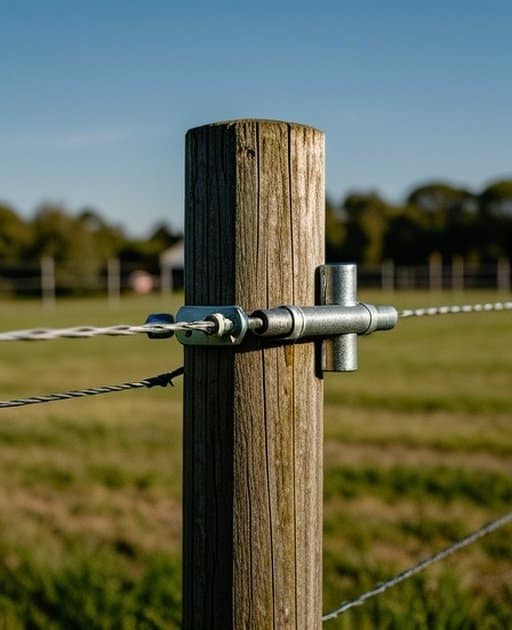
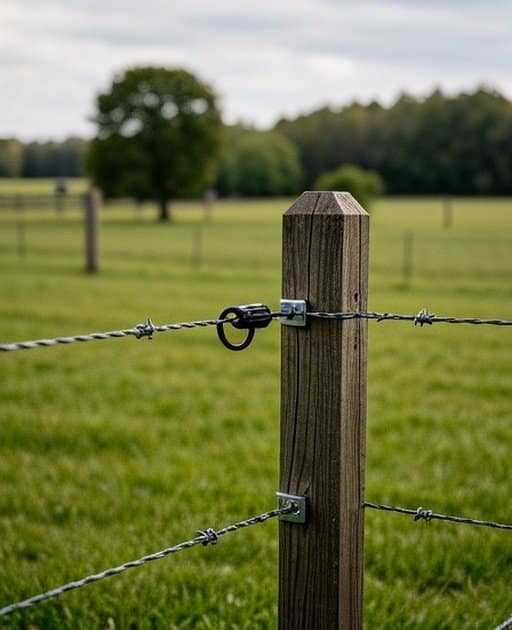
Proper horse fence design prioritizes both adequate height preventing jumping and clear visibility allowing horses to recognize boundaries before contact. Minimum heights of 54-60 inches contain most horses effectively while visibility features including substantial top rails, contrasting colors, or white surfaces prevent collision injuries. Thin wire systems create visibility challenges particularly in low light or for horses running at speed across pastures. Wood rail fencing provides optimal visibility through substantial profile and natural color contrast against landscape features, though modern alternatives including white composite rails achieve similar recognition benefits.
Safety & Injury Prevention
Horse fence safety encompasses preventing puncture wounds, entanglement injuries, and impact trauma through careful material selection and proper installation. Smooth wire surfaces eliminate barb-related injuries while appropriate spacing prevents hoof or leg entrapment creating panic situations. Flexible materials including certain woven wire systems and composite rails absorb impact force better than rigid wood boards that splinter when struck. Proper fence design eliminates protruding fasteners, sharp edges, and structural irregularities horses could contact during normal fence interaction or panic responses.
Material Strength & Flexibility
Fence materials vary dramatically in ability to absorb impact without breakage while preventing penetration injuries during high-force collisions. Wood rail provides traditional aesthetics but splinters under severe impact, while properly installed woven wire flexes absorbing force then returns to tension. Modern composite materials resist both weather degradation and impact damage though typically cost significantly more than traditional alternatives. Understanding material properties including tensile strength, impact absorption, and failure modes helps match fencing systems to specific horse temperaments and property requirements.
Installation & Post Spacing
Proper post spacing maintains fence stability and wire tension preventing sagging that creates escape opportunities and injury hazards. Standard horse fencing uses 8-12 foot post intervals depending on material type, terrain, and expected pressure from horses leaning or testing boundaries. Closer spacing increases material costs but improves structural integrity particularly for woven wire systems requiring consistent tension. Corner posts and gate locations demand reinforced bracing handling concentrated stress from fence line tension and operational use throughout system lifespan.
Cost vs Long-Term Durability
Horse fence investment decisions must balance upfront material costs against ongoing maintenance expenses and eventual replacement needs over decades of use. Premium materials including composite rail or heavy-gauge woven wire typically cost 2-3 times more than basic wood systems but eliminate painting, board replacement, and frequent repairs. Budget analysis should account for labor availability, property size affecting total project scope, and whether saved maintenance time justifies higher initial investment. Small properties may prioritize appearance and safety over cost efficiency while large operations require economical solutions covering extensive perimeters.
Related Fence Systems
Horse fencing decisions benefit from understanding alternative livestock containment approaches and specialized installation techniques. Electric Fence Installation provides guidance for incorporating electric deterrence either as standalone systems or combined with physical barriers. Fence Planning Basics establishes comprehensive layout strategies applicable across livestock types including horses. Fence Cost & Budgeting helps allocate resources effectively balancing safety requirements against available investment. Woven Wire Field Fence covers installation techniques for mesh-style horse fencing. Cattle Fencing Guide addresses fundamentally different containment priorities from larger, less injury-prone livestock.
Frequently Asked Questions
What is the safest fencing material for horses?
Wood rail, properly installed woven wire with smooth surfaces, and modern composite materials provide safest horse containment through visibility, smooth surfaces, and appropriate flexibility. Avoid barbed wire entirely for horses due to severe injury potential from entanglement or panic responses near sharp barbs.
How tall should a fence be for horses?
Standard horse fencing should measure 54-60 inches in height for most breeds and temperaments. Athletic horses, jumpers, or stallions may require heights toward the upper range or beyond, while miniature horses can be safely contained with shorter barriers.
Can horses break electric fences?
Horses can break through electric fencing when running at speed, particularly if untrained to respect electric deterrence or if vegetation shorts reduce voltage below effective levels. Combining electric wires with visible physical barriers provides more reliable containment than electric systems alone.
What fence spacing prevents leg injuries?
Wire spacing should be either very tight (4 inches or less) preventing hoof insertion or quite wide (8+ inches) allowing easy withdrawal if contact occurs. Intermediate spacing of 5-7 inches creates dangerous entrapment situations where hooves enter but cannot extract without struggle.
Is barbed wire safe for horses?
Barbed wire is not recommended for horses under any circumstances due to severe injury potential. Horses panic when entangled, creating lacerations and potentially catastrophic injuries requiring veterinary intervention. Numerous safer alternatives exist for horse containment across all budget ranges and property types.
Final Recommendations
Horse fencing success prioritizes safety and visibility over simple containment, requiring materials and designs preventing injuries from impact, entanglement, or panic responses. Wood rail provides traditional aesthetics and optimal visibility though demands ongoing maintenance including painting and board replacement. Woven wire with smooth surfaces offers lower long-term maintenance combined with predator protection when properly installed without sharp edges. Modern composite materials justify premium pricing through decades of maintenance-free service ideal for small facilities where appearance and time savings outweigh cost considerations.
Avoid barbed wire entirely for horse applications regardless of cost savings, as injury risks and veterinary expenses far exceed fence material differences. Base height selection on breed size and individual temperament, with athletic horses or stallions requiring enhanced specifications beyond standard recommendations. Review comprehensive resources including safest fencing materials, cost comparisons, and height and spacing guidelines ensuring proper planning before material purchase or installation begins.