
Electric Fence Installation Guide
Overview
Electric fencing is one of the most efficient and cost-effective livestock containment systems when properly installed. However, performance depends heavily on correct wire spacing, grounding systems, energizer sizing, post selection, and vegetation control.
This Electric Fence Installation Guide explains step-by-step installation methods for permanent and temporary electric fencing, grounding layouts, wire configurations, energizer selection, voltage testing, and maintenance planning. It is designed for cattle producers, sheep and goat farms, horse owners, and predator-control applications.
This guide focuses specifically on installation strategy and system layout—not just energizers or fence materials alone. For detailed energizer information, see the Electric Fence Chargers & Energizers Guide. For material options, review the High Tensile Wire Guide and Woven Wire Field Fence Guide.
YouTube search queries: “how to install electric fence for livestock step by step” or “electric fence installation tutorial cattle sheep”
What This Guide Covers
Electric Fence Layout Planning
Electric fence layout planning requires strategic decisions about perimeter versus subdivision fencing, wire routing to minimize vegetation interference, energizer placement for optimal performance, and integration with existing fence systems. Perimeter fencing contains livestock within property boundaries, while subdivision systems create rotational grazing paddocks or separate different animal groups.
Effective layout considers terrain features, water access points, handling facility locations, and future expansion needs. Planning reduces wire waste, installation time, and long-term maintenance requirements. For comprehensive planning strategies and layout templates, visit the Electric Fence Layout Planning guide.
Electric Fence Layout Planning
Wire Spacing by Livestock Type
The electric fence wire spacing chart provides species-specific recommendations for strand count and vertical spacing. Cattle typically require 2–4 strands with 12–16 inch spacing, while sheep and goats need 5–7 more closely spaced strands (6–10 inches) due to their smaller size and tendency to test fence gaps.
Horses generally perform well with 3–4 strands at 12–16 inch spacing, though training and temperament influence requirements. Bottom wire height affects containment—typically 8–12 inches above ground for cattle and 6–8 inches for smaller livestock. For detailed spacing charts and species-specific recommendations, see the Wire Spacing guide.
Wire Spacing by Livestock Type
Grounding System Installation
Grounding system installation is the most critical component of electric fence performance—inadequate grounding causes more fence failures than any other factor. The grounding system completes the electrical circuit by providing a low-resistance path for current to return to the energizer after passing through animals contacting the fence.
Standard installations require minimum three 6-foot galvanized ground rods driven into moist soil and spaced 10 feet apart, connected with insulated wire to the energizer’s ground terminal. Dry climates, sandy soils, or rocky ground may require 4–6 ground rods for adequate performance. For step-by-step grounding installation and testing procedures, see the Grounding System Guide.
Choosing the Right Energizer
Choosing the right energizer requires matching joule output to fence length, wire type, vegetation load, and livestock species. As a baseline guideline, plan 0.5–1.0 joules per mile of single-wire fence, with 2–6 joules recommended for multi-strand systems or areas with significant vegetation contact.
AC-powered energizers provide consistent reliable output near electrical service, while solar units offer installation flexibility for remote pastures. Battery-powered DC units work for temporary or seasonal applications. For comprehensive energizer selection guidance, joule calculators, and power source comparisons, see the Electric Fence Chargers & Energizers Guide.
High-Tensile Electric Fence Setup
High-tensile electric fence setup creates permanent multi-strand installations using high-strength steel wire stretched to 200–250 pounds of tension. These systems combine the physical containment benefits of tensioned wire with the psychological deterrence of electrification.
Installation requires strong corner bracing, in-line strainers, proper tensioning tools, and appropriate post spacing (typically 40–80 feet between line posts). The wire’s superior strength maintains tension through temperature changes with minimal maintenance. For detailed installation procedures and system design, see the High Tensile Wire Guide.
High-Tensile Electric Fence Setup
Temporary Electric Fence Installation
Temporary electric fence installation using polywire, polytape, or portable netting provides flexible livestock management for rotational grazing, seasonal pastures, or temporary containment needs. These systems install quickly without permanent posts or extensive corner bracing.
Step-in posts, portable reels, and lightweight conductors allow rapid setup and teardown—typically 1–2 hours for several hundred feet. Battery or solar energizers power remote temporary systems. However, temporary fencing requires more frequent monitoring and adjustment than permanent installations. For portable fencing techniques and materials, see the Portable Electric Fencing guide.
Temporary Electric Fence Installation
Corner & End Post Bracing
Corner and end post bracing is essential for permanent electric fence systems using tensioned wire. These critical posts must withstand tremendous pulling forces from wire tension in multiple directions—inadequate bracing causes post leaning and tension loss that compromises fence effectiveness.
Standard H-brace designs using horizontal compression members between corner and brace posts provide reliable strength when properly constructed. Posts should be set 3–4 feet deep with concrete footings in challenging soils. For bracing diagrams and construction techniques, see the Corner Bracing Guide.
Electric Fence Voltage Testing
Electric fence voltage testing should be performed weekly during active use and after storms to ensure adequate shock delivery. Digital voltage testers measure output at various fence locations—readings should meet minimum thresholds for the livestock species (typically 3,000+ volts for cattle, 4,000+ volts for sheep/goats).
Significant voltage drops between the energizer and distant fence sections indicate high-resistance faults requiring investigation. Testing helps identify vegetation shorts, corroded connections, or inadequate grounding before animals discover weak fence sections. For testing procedures and troubleshooting guidance, see the Voltage Testing Guide.
Electric Fence Voltage Testing
Lightning Protection & Surge Safety
Lightning protection and surge safety systems prevent expensive energizer damage from electrical storms. Lightning arrestors and diverters installed on fence lines and at energizer terminals divert surge energy safely to ground before it reaches sensitive electronics.
Proper grounding systems also provide lightning protection by offering low-resistance paths for electrical discharge. In storm-prone regions, lightning protection devices are essential investments that prevent repeated energizer replacement. For protection device installation and system design, see the Lightning Protection Guide.
Lightning Protection & Surge Safety
Electric Fence Troubleshooting
Electric fence troubleshooting for low voltage and performance problems involves systematic checking of the grounding system, vegetation contact points, wire connections, and energizer output. Common issues include inadequate grounding (most frequent cause), excessive vegetation touching wires, corroded connections increasing circuit resistance, and undersized energizers for fence length.
Digital fault finders help locate problem areas by indicating fault direction and approximate distance. Regular inspection and proactive vegetation management prevent most common issues. For diagnostic procedures and repair techniques, see the Electric Fence Troubleshooting guide.
Electric Fence Troubleshooting
Common Decision Scenarios
If You Need Low-Cost Fencing
Electric multi-strand systems significantly reduce material costs compared to woven wire, wood board fencing, or barbed wire for equivalent containment. A 4-strand electric fence typically costs $1–$3 per linear foot installed compared to $3–$8 for woven wire systems.
Fewer posts are needed due to wire strength and psychological rather than purely physical containment. For budget-conscious operations managing large acreage, electric fencing often provides the best cost-per-acre value. For comprehensive cost comparisons, see the Fence Cost & Budgeting guide.
If Predator Pressure Is High
For predator control, add offset hot wires outside perimeter fencing at nose height (6–10 inches) and near ground level. Higher-output energizers (5–10 joules) delivering 5,000–8,000 volts provide stronger psychological deterrence through predator fur.
Multi-strand systems with alternating hot and ground wires improve shock delivery in dry conditions. Combining electric deterrence with physical barriers creates comprehensive predator exclusion. For predator-specific strategies, see the Wildlife & Predator Fencing Guide.
If Terrain Is Uneven
Electric wire adapts better to uneven or sloped terrain than rigid fencing systems like woven wire or wood boards. The flexible wire follows ground contours, maintaining consistent height and ground clearance without requiring stepped installations or custom-cut components.
On slopes, the systems conform to elevation changes while maintaining proper tension through appropriate bracing. For challenging terrain, electric fencing often installs more easily and economically than rigid alternatives. For terrain-specific installation techniques, see the Fence Planning Basics guide.
If You Want Minimal Maintenance
Permanent high-tensile electric systems require less repair and re-tensioning than temporary netting or polywire installations. The high-strength wire maintains tension through temperature fluctuations, and galvanized coating resists corrosion for 20+ years with minimal intervention.
Primary maintenance involves vegetation control to prevent shorts and annual voltage testing to ensure performance. Properly installed permanent systems provide reliable long-term containment with minimal ongoing costs. For maintenance planning, see the High Tensile Wire Guide.
Low-Maintenance Electric Systems
Key Design & Planning Considerations
Fence Height & Spacing
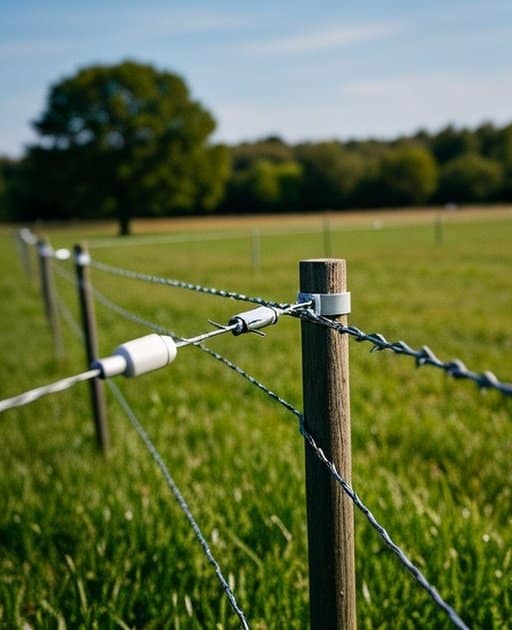
Fence height and strand spacing depend on livestock type and training level. Cattle often require 2–4 strands reaching 40–48 inches total height, while sheep may require 5–7 closely spaced strands (6–10 inch intervals) reaching 40–45 inches to prevent slipping through gaps.
Proper spacing ensures animals respect the fence without needing continuous physical barriers. Bottom wire height is critical—typically 8–12 inches above ground for cattle and 6–8 inches for smaller livestock. Closer spacing near ground level prevents young animals from crawling under.
Safety Factors
Modern electric fences deliver high-voltage (5,000–10,000 volts), low-amperage pulses designed to deter rather than injure. The brief pulse duration (typically 0.0003 seconds) creates memorable correction without causing serious harm to animals or humans.
Proper grounding and insulation are critical for safety compliance. Install warning signage at access points, use insulated lead-out cables from energizers, and ensure all connections meet manufacturer specifications. For safety standards and regulations, see the Energizer Guide.
Cost & Maintenance
Electric fencing has lower material cost than woven wire—typically $1–$4 per linear foot installed compared to $3–$8 for mesh systems. However, it requires ongoing vegetation management to prevent short circuits that drain voltage and allow livestock escapes.
Annual costs include vegetation control (mowing, herbicides, or grazing management), periodic voltage testing, occasional wire and insulator replacement, and energizer maintenance or battery replacement. For comprehensive cost planning, see the Fence Cost & Budgeting guide.
Installation Complexity
Permanent high-tensile systems require tensioners, insulators, strong corner braces, and proper <ahref=”/electric-fence-grounding-system-guide/”>grounding installation. The technical demands exceed simple wire stapling but create superior long-term performance.
Temporary systems are easier to install—step-in posts and portable conductors require minimal tools and skills—but need frequent monitoring and adjustment. For installation guidance, see the Fence Planning Basics guide.
Legal & Boundary Considerations
Electric fences near public roads, residential areas, or recreational trails may have regulatory requirements including warning signage, voltage limitations, or minimum setback distances. Some jurisdictions restrict electric fencing in certainzones due to safety concerns.
Shared boundary fences may require neighbor notification or agreement, particularly when electrifying existing non-electric fences. Always verify local ordinances and property boundaries before installation. For legal planning guidance, see the Local Fence Laws & Regulations guide.
Related Fence Systems
- Electric Fence Chargers & Energizers Guide – Power system selection
- High Tensile Wire Fencing Guide – Permanent tensioned systems
- Woven Wire / Field Fence Guide – Physical containment alternative
- Wildlife & Predator Fencing Guide – Predator deterrence strategies
- Fence Cost & Budgeting Guide – Cost planning tools
- Fence Planning Basics Guide – Layout fundamentals
Frequently Asked Questions
How many strands are needed for cattle?
Typically 2–4 strands provide adequate containment for cattle depending on animal temperament, training level, and whether the fence is perimeter or subdivision.
How deep should electric fence posts be?
Posts should be set 2–3 feet deep for permanent systems, with corner and end posts going 3–4 feet deep to withstand tension loads—deeper in loose or sandy soils.
How many ground rods are required?
Usually at least three 6-foot ground rods spaced 10 feet apart provide adequate grounding, though dry or rocky soil may require 4–6 rods for proper performance.
Can electric fencing work without grounding?
No—grounding is essential for proper voltage return and shock delivery. Without adequate grounding, the electrical circuit cannot complete and animals won’t receive effective correction.
How often should voltage be tested?
Voltage should be tested weekly during active use and immediately after storms to ensure adequate shock delivery and identify shorts before animals discover weak sections.
Final Recommendations
Electric fence installation must be approached as a complete system—not just wire and an energizer. Proper layout planning, correct wire spacing, sufficient grounding, and appropriate energizer sizing determine long-term effectiveness and livestock containment reliability.
For permanent perimeter fencing, consider high-tensile multi-strand systems that provide 20+ years of service with minimal maintenance. For rotational grazing and flexible livestock management, portable electric fencing offers installation flexibility and cost efficiency.
Always pair installation strategy with proper voltage monitoring and maintenance planning to ensure reliable containment. Use the linked guides above to evaluate costs, compare system types, learn bracing techniques, and troubleshoot performance issues for optimal electric fence performance.
“`