
DIY Fence Installation Guide
Overview
DIY fence installation empowers landowners, small farm operators, and homesteaders to build livestock containment systems independently, reducing labor costs by 40-70% compared to professional contractors while maintaining functional performance for cattle, horses, sheep, and goats. Self-installation requires understanding proper techniques for post setting, barbed wire tensioning, electric fence wiring, and woven wire stretching preventing costly mistakes and premature failures.
This guide covers planning methodology, material selection, essential tools, step-by-step installation sequences, and common error prevention for DIY fence builders tackling perimeter and interior fencing projects. It is designed for rural property owners with basic construction skills, small-scale livestock operations, and homesteaders prioritizing cost savings over professional installation speed. Content focuses on proven techniques suitable for typical farm-scale projects (½-mile to 2-mile total fence length) rather than large commercial ranch operations requiring specialized equipment and crews.
This page does not cover large-scale commercial contracting, heavy equipment operation, or advanced techniques like hydraulic rock drilling. For comprehensive property planning before beginning installation, review the Fence Planning Basics Guide.
YouTube search query: “DIY fence installation step by step for beginners rural property”
What This Guide Covers
Planning Your Fence Layout
Successful DIY installation begins with comprehensive fence planning basics including accurate property boundary verification through professional surveys, linear footage measurement, strategic gate placement, and terrain evaluation identifying challenging areas requiring specialized techniques. Proper planning prevents material shortages, boundary disputes, and structural inadequacies compromising fence performance and longevity.
Estimating DIY Fence Costs
Accurate fence cost and budgeting calculations account for materials (posts, wire, bracing hardware), tools (post drivers, wire stretchers, tensioners), equipment rental if needed, and time investment converting labor hours into economic value. Material cost comparisons help select appropriate fence types balancing upfront investment with longevity. DIY installation typically costs $1.50-$3.50 per linear foot versus $4-$8 for professional contractors, with savings varying by fence complexity and terrain difficulty.
Choosing the Right Fence Type
Fence type selection matches livestock species requirements, predator pressure levels, budget constraints, and DIY skill levels—barbed wire suits experienced installers with cattle operations, electric systems offer beginner-friendly installation requiring minimal tools, woven wire provides superior containment for sheep and goats but demands strength and technique, while high-tensile systems balance performance with moderate installation difficulty.
Installing Barbed Wire Fencing
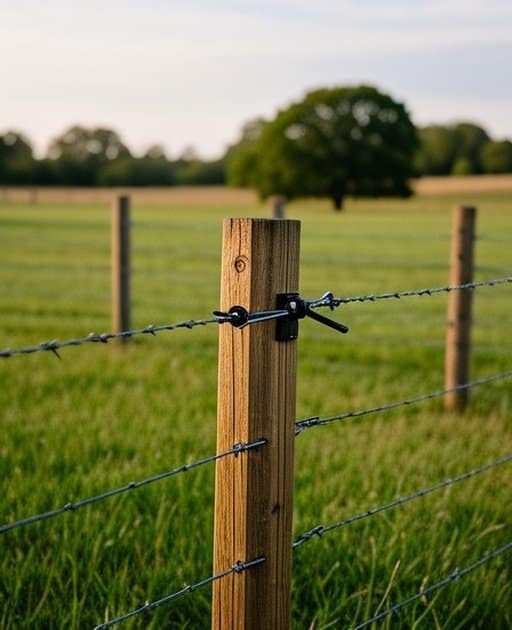
Barbed wire installation requires proper tensioning preventing sag while avoiding over-tightening causing wire breakage, secure corner bracing withstanding line pressure, correct stapling techniques allowing wire movement during temperature changes, and safety precautions protecting against lacerations. DIY barbed wire suits moderately experienced builders with appropriate tools including wire stretchers, fencing pliers, and heavy leather gloves. Beginners should consider starting with simpler electric fence systems before attempting barbed wire projects.
Installing Electric Fencing Systems
Electric fence installation offers the most beginner-friendly DIY option requiring basic tools, forgiving of minor installation errors, and providing cost-effective containment when properly designed with adequate voltage and grounding. Critical components include correctly sized energizers, proper grounding rod installation, appropriate conductor selection, and warning signage compliance. Permanent systems suit long-term installations while portable options enable rotational grazing flexibility.
Setting Fence Posts Correctly
Post installation quality determines overall fence longevity and structural integrity—proper techniques include setting posts to appropriate depth standards (typically ⅓ post length underground), accounting for soil type variations affecting holding power, preventing frost heave in cold climates, ensuring plumb alignment maintaining straight fence lines, and proper spacing balancing material costs with structural strength. Corner and gate posts demand reinforced installation using concrete footings or enhanced bracing.
Tools Required for DIY Fence Installation
Essential DIY fencing tools include post drivers (manual or gas-powered) for installation, measuring equipment ensuring accuracy, wire stretchers or come-alongs creating proper tension, fencing pliers for cutting and fastening, levels maintaining plumb posts, and safety equipment including heavy gloves, eye protection, and steel-toed boots. Tool investment typically runs $200-$800 for basic setups, with rental options available for specialized equipment like hydraulic post drivers. Quality tools significantly affect installation speed, ease, and final fence quality—budget accordingly.
Avoiding Common DIY Fence Mistakes
Common fencing mistakes include inadequate post depth causing leaning, poor corner bracing leading to structural failure, incorrect wire tension creating sag or breakage, insufficient post spacing compromising strength, neglecting boundary verification causing legal disputes, and underestimating material quantities requiring mid-project purchases. Installation safety mistakes create injury risks. Learning from typical errors saves time, money, and frustration during DIY projects.
Maintenance After Installation
Post-installation maintenance extends fence lifespan and maintains containment effectiveness through regular inspection schedules, prompt repair of damage, vegetation control around electric systems, wire tension monitoring and adjustment, and seasonal preparations for weather extremes. Annual maintenance costs typically run 3-5% of initial installation investment. Proper maintenance prevents minor issues from becoming expensive failures requiring premature replacement—schedule quarterly inspections for new installations, transitioning to annual checks once systems prove stable.
Step-by-Step Installation Sequence
Systematic installation follows proven sequences maximizing efficiency: 1) Mark fence line and corner locations using stakes and string; 2) Set corner posts first with reinforced bracing; 3) Install line posts at appropriate spacing maintaining straight alignment; 4) Attach and tension wire starting from corners working toward centers; 5) Install gates and access points; 6) Test system functionality (especially electric fence voltage); 7) Add final touches including signage and visual markers. Rushing steps or skipping proper sequencing creates rework and compromises structural integrity.
Common Decision Scenarios
If You Have a Tight Budget
Budget-conscious DIY installations prioritize cost-effective fence types like portable electric systems offering lowest material investment ($0.15-$0.40 per linear foot), phased implementation completing critical perimeter sections before interior divisions, and strategic material selection using economy-grade components for lower-pressure areas while investing premium materials in corners and gates bearing maximum stress. Partial property fencing spreads costs over multiple seasons maintaining functionality while conserving budget. DIY labor provides 40-70% savings versus contractors—invest saved money in quality materials ensuring longevity rather than accepting inferior products.
If Predator Pressure Is High
High predator pressure demands robust perimeter fence systems potentially exceeding beginner DIY capabilities—consider hybrid approaches using professional contractors for challenging predator-proof perimeter construction while completing simpler interior divisions independently. Electric fence systems with multiple hot wires and offset strands provide effective predator deterrence within DIY skill ranges when properly installed with adequate energizer output. Buried wire aprons and taller heights increase installation complexity but remain achievable for determined DIY builders willing to invest additional time and effort.
If Terrain Is Uneven or Rocky
Challenging terrain significantly increases DIY installation difficulty through slope complications, rocky ground preventing standard post driving, and variable soil conditions requiring adapted techniques. DIY builders facing difficult terrain should consider electric systems allowing wider post spacing where installation succeeds, renting specialized equipment like hydraulic post drivers or rock drills, or hiring contractors for most challenging sections while completing easier areas independently. Realistic assessment of terrain difficulty prevents project abandonment midway through installation—consult experienced farmers or contractors for honest capability evaluations.
If You Want the Simplest DIY Option
Simplest DIY fence installation uses portable electric systems requiring minimal tools (step-in posts, polywire, solar energizer), forgiving installation errors through easy adjustment, and providing functional containment for trained cattle, sheep, and goats despite simplicity. Single-wire systems for cattle or multi-strand configurations for smaller livestock install in hours rather than days, cost $300-$1,500 for typical small pastures, and enable immediate system adjustments based on livestock behavior. Permanent electric installations offer next-tier simplicity balancing ease with enhanced durability.
Key Design & Planning Considerations
Fence Height and Wire Spacing
Proper fence height and wire spacing prevent escapes and injuries while meeting lawful fence standards—cattle fencing requires 48-54 inch heights with 12-16 inch wire spacing, horse fencing demands 54-60 inches preventing jumping, whilesheep and goat fencing need tighter 4-6 inch spacing preventing small animal escapes and head entrapment. Perimeter fencing demands full-height specifications while interior divisions tolerate reduced heights for trained livestock. Underestimating height or spacing creates ongoing escape problems requiring expensive corrections—verify species-specific requirementsbefore purchasing materials preventing costly mistakes.
Post Depth and Stability
Post depth standards follow the one-third rule—bury one-third of total post length underground providing adequate stability, typically 30-36 inches for standard 8-foot posts and 36-48 inches for taller corner posts bearing maximum stress. Soil conditions affect requirements—sandy soils demand deeper installation or concrete footings, clay soils provide excellent holding power when dry, and wet soils require drainage improvements. Cold climates necessitate setting below frost lines preventing heave. Inadequate depth causes progressive leaning and premature failure—invest effort in proper depth rather than accepting shallow installation compromising longevity.
Safety for Livestock and People
Fence safety protects both animals and humans through appropriate material selection avoiding hazardous options like barbed wire for horses, proper electric fence installation with regulated voltage levels and warning signage, secure gate hardware preventing accidental openings, and wire spacing preventing entrapment injuries. DIY installers should consult USDA fencing guidelines and animal safety standards ensuring installations meet established safety protocols. Personal protective equipment including gloves, eye protection, and boots prevents installation injuries. Safety shortcuts during DIY installation create liability exposure and animal welfare concerns—prioritize safety over speed or cost savings.
Cost vs Long-Term Maintenance
Initial installation cost versus long-term maintenance represents critical DIY decision—inexpensive portable systems require frequent adjustment and component replacement, mid-range barbed wire offers decades of low-maintenance service when properly installed, while premium high-tensile systems maximize longevity despite higher upfront investment. Annual maintenance costs vary 3-10% of installation depending on fence type, climate stress, and livestock pressure. Total cost of ownership over 20-year timeframes often favors higher-quality initial installations despite greater DIY complexity and material expenses. Calculate long-term economics before selecting fence types based solely on lowest initial costs.
Local Zoning and Boundary Regulations
Legal compliance protects DIY investments through understanding local fence laws and regulations including permit requirements, lawful fence definitions establishing minimum construction standards, setback rules limiting proximity to property lines, and electric fence restrictions in residential zones. Property boundary verification through professional surveys prevents encroachment creating expensive relocation requirements. Shared fence responsibilities with neighbors affect planning and cost allocation. Consult county planning departments and local zoning regulations before beginning DIY projects—building code violations may require complete removal wasting time and materials while creating legal complications.
Related Fence Systems
- Fence Planning Basics Guide – Comprehensive layout methodology before installation begins
- Fence Cost & Budgeting Guide – Financial planning for DIY projects balancing materials and tools
- Electric Fence Installation Guide – Detailed setup for beginner-friendly electric systems
- Barbed Wire Fencing Guide – Traditional wire fence installation techniques and safety
- Material Cost Comparison Guide – Evaluating fence type economics for DIY budgets
- Terrain & Soil Considerations Guide – Site-specific challenges affecting DIY feasibility
Frequently Asked Questions
Is DIY fence installation cheaper than hiring a contractor?
Yes, DIY installation typically saves 40-70% on labor costs compared to professional contractors—total project costs run $1.50-$3.50 per linear foot DIY versus $4-$8 professionally installed depending on fence type and terrain complexity. However, DIY requires significant time investment (2-4x longer than professionals), appropriate tools ($200-$800 initial investment), and accepting responsibility for quality and longevity. Material costs remain identical whether DIY or contracted—labor represents the savings opportunity.
How deep should fence posts be set?
Fence posts should be set one-third of total post length underground—standard 8-foot posts require 30-36 inch depth while taller posts and corner assemblies demand 36-48 inches providing structural stability. Soil conditions, frost depth, and terrain slope may require deeper installation. Shallow posts cause progressive leaning and premature failure—proper depth proves essential for longevity.
Can I install fencing without concrete?
Yes, most fence posts install successfully without concrete when properly tamped in appropriate soil conditions—clay soils and firm loam provide excellent holding power through compaction alone. However, corner posts, gate posts, installations in sandy soil, and wet ground conditions benefit from concrete footings increasing stability. Concrete adds $3-$8 per post in materials plus installation time—use strategically for high-stress locations rather than entire fence lines.
How long does a DIY fence last?
Properly installed DIY fences achieve comparable lifespans to professional installations—high-tensile systems last 30-40 years, barbed wire provides 20-30 years, woven wire delivers 15-25 years, and permanent electric systems serve 20-30 years with component replacement. Temporary portable fencing lasts 5-10 years. Longevity depends on proper installation technique, material quality, climate stress, and ongoing maintenance—poor DIY installation reduces lifespan by 30-50% through premature failures.
What is the easiest fence to install yourself?
Portable electric fencing represents the easiest DIY option requiring minimal tools (step-in posts, polywire, solar energizer), forgiving installation errors, and providing functional containment within hours rather than days. Permanent electric systems offer next-tier simplicity, while barbed wire and woven wire demand greater skill, strength, and specialized tools. Beginners should start with simple systems building skills before attempting complex permanent installations.
Final Recommendations
DIY fence installation offers substantial cost savings for small farms, rural homeowners, and budget-conscious livestock operations willing to invest time and effort learning proper techniques. Success requires realistic capability assessment, appropriate tool investment, comprehensive planning using fence planning basics, and commitment to quality standards matching professional installations. Start with simple projects like portable electric divisions building experience before attempting complex permanent systems.
Not ideal for large-scale ranch operations requiring heavy equipment, extensive projects exceeding available time and labor capacity, or situations where professional speed justifies contractor costs. Before beginning, review fence cost and budgeting guides establishing realistic financial expectations, evaluate material options balancing upfront costs with longevity, and verify local regulations ensuring compliance. Invest saved labor costs in premium materials and quality tools creating durable livestock containment systems serving decades through proper DIY installation and ongoing maintenance.