
Fence Post Installation Guide
Overview
Fence post installation determines overall fence system stability, longevity, and structural performance—proper post setting techniques prevent leaning, sagging, and premature failure that compromise livestock containment for cattle, horses, sheep, and goats. Critical factors include appropriate depth standards, soil-specific techniques, correct material selection, and proper alignment maintaining straight fence lines under tension stress from barbed wire, woven wire, or electric systems.
This guide explains post depth calculations, concrete versus gravel setting methods, spacing requirements, corner bracing techniques, and installation sequences for wooden posts and steel T-posts. It is designed for DIY landowners, small farm operators, and ranchers installing livestock fencing themselves, focusing on proven techniques suitable for typical farm-scale projects rather than specialized commercial applications. Content addresses common installation challenges including frost heave prevention, rocky ground solutions, and slope adjustments.
This page does not cover commercial-grade pile driving, highway barrier systems, or construction-grade structural foundations. For comprehensive property layout planning before post installation, review the Fence Planning Basics Guide.
YouTube search query: “how to set fence posts correctly step by step rural fencing”
What This Guide Covers
Determining Proper Fence Post Depth
Proper fence post depth follows the one-third rule—bury one-third of total post length underground providing structural stability, typically 30-36 inches for standard 8-foot line posts and 36-48 inches for corner posts bearing maximum tension stress. Frost line depth in cold climates dictates minimum installation depth preventing seasonal heave, while soil conditions affect holding power requiring depth adjustments for optimal performance.
Concrete vs Gravel Post Setting
Concrete setting provides maximum stability for corner posts, gate posts, and installations in sandy soils, costing $3-$8 per post in materials but requiring curing time and permanent placement. Gravel or tamped earth setting suits line posts in firm soil offering adequate stability at minimal cost with easier future adjustments. Budget considerations and soil quality determine appropriate setting methods balancing performance with economics.
Installing Wooden Fence Posts
Wooden fence posts require pressure-treated lumber rated for ground contact (minimum .40 CCA or equivalent) preventing rot, proper diameter selection (4-6 inches for line posts, 6-8 inches for corners), and installation techniques including gravel footings improving drainage. Post lifespan ranges 15-30 years depending on treatment quality, wood species, soil moisture, and climate conditions. Setting procedures differ from steel posts requiring augered holes versus driven installation.
Installing Steel T-Posts
Steel T-posts provide economical line post solutions for barbed wire and electric fencing, installing rapidly using manual or pneumatic post drivers without augering. Proper technique drives posts plumb to appropriate depth (24-30 inches) with anchor plate oriented perpendicular to fence line, studded side facing livestock preventing wire slippage. T-posts suit temporary installations and light-duty applications but lack strength for corner assemblies or high-tension wire systems demanding wooden or pipe posts.
Post Spacing for Livestock Fencing
Post spacing standards balance material costs with structural integrity—barbed wire systems typically space posts 12-16 feet, woven wire requires 8-12 feet preventing sag, high-tensile systems permit 15-20 feet through superior tension, while board fencing demands 8-10 feet supporting rail weight. Terrain variations and livestock pressure affect spacing decisions—closer spacing increases costs but improves fence strength and longevity.
Corner Posts and Brace Assemblies
Corner and end posts bear maximum tension stress requiring reinforced installation including larger diameter posts (6-8 inches minimum), deeper setting (36-48 inches), concrete footings in challenging soils, and brace assemblies distributing forces. H-brace configurations using horizontal compression posts and diagonal wire prevent corner pulling, while double-braced systems suit high-tension cattle fencing. Inadequate corner construction causes progressive fence failure—invest effort and materials in robust corner assemblies supporting entire fence system integrity.
Tools Required for Fence Post Installation
Essential post installation tools include post hole diggers (manual or power augers) creating holes for wooden posts, T-post drivers (manual or pneumatic) for steel posts, levels ensuring plumb alignment, tamping bars compacting backfill, measuring equipment maintaining spacing accuracy, and concrete mixing equipment for footings. Tool investment ranges $200-$800 for basic DIY setups, with power equipment rentals available for large projects. Quality tools dramatically affect installation speed, accuracy, and final fence quality—DIY fence builders should budget appropriately for proper equipment.
Avoiding Common Fence Post Mistakes
Common post installation errors include insufficient depth causing leaning, poor plumb alignment creating crooked fence lines, inadequate corner bracing leading to structural failure, improper spacing compromising strength or wasting materials, neglecting frost heave prevention in cold climates, and using untreated wood causing premature rot. Learning from typical mistakes saves time and money preventing expensive corrections after installation completion.
Post Installation for Electric Fencing
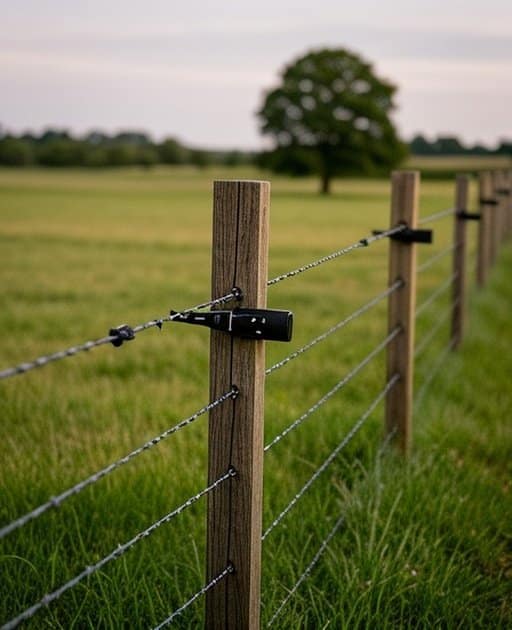
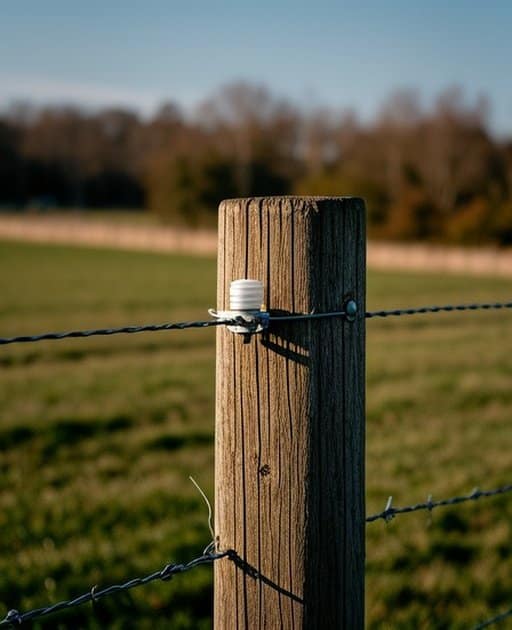
Electric fence post installation permits lighter construction than traditional wire systems—posts primarily support conductors rather than resist livestock pressure since psychological barriers prevent physical fence contact. Permanent electric systems benefit from standard post spacing and depth, while portable installations use step-in posts driven 8-12 inches for temporary divisions. Insulator placement and grounding system installation require special consideration.
Post Preservation and Treatment
Post longevity depends on proper wood treatment and protection—pressure-treated lumber with minimum .40 CCA retention, above-ground coatings on exposed wood preventing UV damage and moisture absorption, proper drainage around post bases, and annual inspections identifying early rot signs enabling preventive maintenance. Untreated posts fail within 5-10 years while properly treated posts serve 20-30+ years. Steel posts resist rot but suffer rust in high-moisture environments—galvanized coatings provide corrosion protection extending lifespan decades beyond bare steel alternatives.
Testing Post Stability After Installation
Post stability testing before wire installation identifies inadequate setting allowing corrections—push and pull tests applying moderate force in multiple directions reveal looseness, visual plumb checks using levels confirm alignment, and allowing concrete footings to cure fully (3-7 days) before tensioning wire prevents displacement. Proper testing prevents discovering stability issues after completing fence installation requiring expensive rework. Re-tamp backfill settling after initial installation, and recheck alignment before proceeding to wire attachment stages.
Common Decision Scenarios
If Your Soil Is Soft or Sandy
Soft or sandy soils demand enhanced installation techniques including deeper post setting (30-50% beyond standard depths), concrete footings providing lateral stability, larger diameter posts distributing forces, and closer post spacing compensating for reduced holding power. Wet soil conditions compound challenges through seasonal saturation cycles. Budget additional materials and labor for challenging soil conditions—cutting corners on post installation in poor soil creates progressive failures requiring premature fence replacement.
If You Have Rocky or Uneven Terrain
Rocky ground prevents standard post driving requiring alternative approaches including core drilling equipment creating holes in rock, shorter driven posts wedged between rocks where drilling is impractical, surface-mounted brackets in extreme rock, and strategic layout routing fence lines through paths of least resistance. Equipment rental costs escalate significantly—budget planning should account for 40-100% cost increases versus standard installation. Uneven terrain also requires depth adjustments offsetting lateral forces.
If You Need Low-Cost Installation
Budget-conscious post installation prioritizes steel T-posts for line posts ($3-$8 each versus $15-$35 for treated wooden posts), tamped earth setting avoiding concrete expenses, portable electric systems using minimal posts, and wider spacing within safe limits reducing total post quantity. Cost savings should not compromise corner post and brace quality—invest premium materials in high-stress locations while economizing on line posts. DIY installation eliminates labor costs representing largest savings opportunity.
If You’re Building a High-Tension Livestock Fence
High-tension wire systems demand robust post installation including larger diameter corner posts (6-8 inches minimum), reinforced double-braced assemblies, concrete footings in all corners and ends, closer line post spacing (12-15 feet) than low-tension alternatives, and precise plumb alignment preventing tension-induced shifting. Cattle operations particularly benefit from high-tension systems, but installation complexity exceeds basic barbed wire fencing. Inadequate post installation negates high-tensile wire benefits through progressive sagging and corner failure.
Key Design & Planning Considerations
Fence Height & Load Requirements
Post selection and installation depth respond to fence height and load requirements—taller fences create greater leverage multiplying lateral forces, requiring deeper setting and larger diameter posts maintaining stability. Standard height recommendations by species create corresponding post demands—48-54 inch cattle fencing permits standard 8-foot posts, while 60-inch horse fencing benefits from 9-foot posts providing adequate underground depth. Wire tension loads vary dramatically—woven wire creates moderate tension, high-tensile systems generate 200-300 pounds per strand, and barbed wire runs 80-120 pounds per strand. Calculate cumulative wire loads determining corner post requirements—underestimating forces causes premature structural failure.
Post Diameter and Material Strength
Post diameter and material selection balance strength requirements with economics—treated wooden posts in 4-6 inch diameters suit standard line posts, 6-8 inch corners and braces, while steel T-posts (1.25-1.33 pound per foot) provide economical alternatives for light-duty applications. Wood species affect longevity—Southern Yellow Pine and Red Cedar offer superior rot resistance, Lodgepole Pine provides economy option. Steel pipe posts (2-4 inch diameter) deliver maximum strength for demanding installations but cost significantly more than alternatives. Material selection affects installation methods—wooden posts require augered holes and backfill, T-posts drive directly, pipe posts may need concrete footings. Consider long-term maintenance implications—premium materials reduce replacement frequency despite higher upfront costs.
Cost vs Long-Term Maintenance
Post installation represents 40-60% of total fence construction costs through material expenses and labor investment, but determines fence lifespan and maintenance requirements over decades. Proper installation using quality materials costs more initially but delivers 25-40 year performance versus 10-15 years from inadequate techniques or inferior posts. Ongoing maintenance costs correlate inversely with installation quality—well-set posts require minimal adjustment while poorly installed systems demand frequent repairs, re-tensioning, and premature replacement. Calculate total cost of ownership rather than minimizing initial expenses—$2,000 additional investment in proper installation saves $5,000-$10,000 in premature replacement costs over 20-year timelines.
Installation Complexity and Labor
Post installation complexity varies dramatically by method and conditions—DIY fence builders can install T-posts at 20-30 per day using manual drivers versus 8-12 augered wooden posts daily requiring digging, setting, and backfilling. Rocky terrain reduces productivity 50-70% through drilling requirements, while slopes create alignment challenges and safety concerns. Professional contractors install posts 2-4x faster than DIY operators but charge $3-$6 per post labor costs. Realistic time estimates prevent project delays—100 posts require 3-5 days DIY labor for experienced installers, 7-10 days for beginners. Factor installation complexity into planning—underestimating labor demands causes abandoned projects or rushed work compromising quality.
Legal & Boundary Considerations
Post installation must respect local fence laws and regulations including setback requirements from property lines (typically 6-24 inches), permit requirements for certain fence types or heights, and lawful fence standards establishing minimum construction specifications. Property boundary verification through professional surveys prevents encroachment causing expensive relocation requirements. Shared fence responsibilities with neighbors affect post placement and cost allocation. Consult USDA NRCS fencing guidelines for technical standards, and verify local zoning regulations before beginning installation—code violations may require complete removal wasting time and materials.
Related Fence Systems
- Fence Planning Basics Guide – Comprehensive layout methodology determining post locations and spacing
- Fence Cost & Budgeting Guide – Financial planning for post materials and installation labor
- Barbed Wire Fencing Guide – Post requirements for traditional wire systems
- Electric Fence Installation Guide – Lightweight post options for electric containment
- DIY Fence Installation Guide – Self-installation techniques and tool requirements
- Terrain & Soil Considerations Guide – Site-specific challenges affecting post installation
Frequently Asked Questions
How deep should fence posts be set?
Fence posts should be set one-third of total post length underground—standard 8-foot posts require 30-36 inch depth, while taller posts and corner assemblies demand 36-48 inches providing structural stability against tension forces and livestock pressure. Frost line depth in cold climates may dictate deeper installation, and soil conditions affect requirements—sandy soils need greater depth than clay.
Is concrete necessary for fence posts?
Concrete proves necessary for corner posts, gate posts, and installations in sandy or soft soils requiring maximum stability, but most line posts in firm soil install successfully using tamped earth or gravel backfill providing adequate holding power at minimal cost. Clay soils and firm loam permit concrete-free installation for standard line posts. Concrete adds $3-$8 per post in materials plus curing time—use strategically for high-stress locations rather than entire fence lines.
How far apart should fence posts be spaced?
Post spacing standards depend on fence type and wire tension—barbed wire systems typically space 12-16 feet, woven wire requires 8-12 feet preventing sag, high-tensile systems permit 15-20 feet through superior tension, while board fencing demands 8-10 feet. Closer spacing increases costs but improves strength—balance economics with performance requirements.
What is the strongest type of fence post?
Steel pipe posts (2-4 inch diameter) provide maximum strength withstanding highest tension loads and livestock pressure, followed by large-diameter treated wooden posts (6-8 inches) offering excellent performance for corner and brace assemblies, while standard T-posts suit economical line post applications in light-duty fencing. Treated wood species like Red Cedar and pressure-treated Southern Yellow Pine balance strength with rot resistance. Post strength requirements depend on livestock type and fence system—match post capacity to application demands.
How long do properly installed fence posts last?
Properly installed pressure-treated wooden posts last 20-30+ years in ground contact depending on treatment quality and soil conditions, steel T-posts serve 20-40 years with galvanized coating preventing rust, and steel pipe posts deliver 30-50+ year performance in most environments. Untreated wood fails within 5-10 years through rot. Post longevity depends on proper installation depth, drainage, treatment quality, climate stress, and ongoing maintenance—poor installation reduces lifespan 30-50% through premature failures regardless of material quality.
Final Recommendations
Fence post installation represents the foundation determining overall fence system performance, longevity, and maintenance requirements over decades of service. Proper techniques including adequate depth, correct spacing, reinforced corner assemblies, and appropriate material selection create durable livestock containment serving 25-40 years versus 10-15 years from inadequate installation. Best for DIY builders and small-scale livestock landowners willing to invest time learning proper methods and using quality materials.
Not ideal for large commercial ranch operations requiring heavy equipment and professional crews, or highway-grade structural fencing beyond agricultural scope. Before beginning installation, review comprehensive fence planning basics determining post locations and quantities, evaluate budget requirements for materials and tools, and assess site-specific challenges affecting installation complexity. Invest in proper post installation preventing expensive failures—cutting corners on foundation work compromises entire fence system regardless of wire quality or design sophistication.