
Fence Repair & Damage Guide
Overview
Fence repair encompasses fixing broken posts, sagging wire, storm damage, and livestock pressure failures preventing costly complete replacement while maintaining effective containment for cattle, horses, sheep, and goats. Timely repairs prevent minor damage from escalating into complete fence failure requiring expensive reconstruction—addressing broken posts, sagging wire, and weather damage promptly extends fence lifespan by years while maintaining livestock security and property boundaries.
This guide explains diagnostic assessment determining repair versus replacement decisions, step-by-step techniques for common repairs including wire tensioning, wire splicing, post straightening, and section replacement strategies. It is designed for farmers, ranchers, and small property owners managing livestock fencing systems, focusing on practical repair methods preserving functional performance without full-scale reconstruction. Content emphasizes cost-effective solutions balancing immediate fixes with long-term maintenance economics.
This page does not cover complete fence installation from scratch—see DIY Installation Guides for new construction. For preventive strategies reducing repair frequency, review the Fence Inspection & Preventive Maintenance Guide.
YouTube search query: “how to repair livestock fence step by step wire and post repair”
What This Guide Covers
Repairing Broken Fence Posts
Repairing broken fence posts without replacing them uses sister-post splinting techniques attaching new posts alongside damaged ones transferring load bearing, steel post menders reinforcing split wooden posts, and concrete collars stabilizing cracked posts below ground level. Repair feasibility depends on damage location and severity—above-ground breaks suit splinting while below-ground rot demands complete replacement. Post repairs cost 30-50% less than full replacement providing temporary to semi-permanent solutions extending fence service 3-10 years depending on technique and conditions.
Fixing Sagging Wire Fences
Best methods for fixing sagging wire fences include wire stretchers or come-alongs re-tensioning existing wire, adding intermediate posts reducing span distance, inline tensioners providing adjustment capability, and replacing severely corroded wire beyond salvage. Barbed wire and smooth wire respond well to re-tensioning while woven wire proves more challenging requiring careful stretching preventing distortion. Proper tensioning restores containment effectiveness without complete fence replacement.
Repairing Storm-Damaged Fences
Repairing fence damage after storms begins with safety assessment identifying electrical hazards from downed power lines, structural instability requiring caution, and livestock containment priorities. Emergency repairs focus on restoring perimeter security using temporary patches, portable electric divisions creating interim barriers, and prioritizing high-risk escape zones. Systematic permanent repairs follow once immediate containment is secured, addressing wind damage, fallen trees, and flood erosion undermining posts.
Replacing a Section of Woven Wire
Proper woven wire section replacement requires cutting damaged wire at posts maintaining tension on remaining sections, installing new wire roll matching existing specifications, stretching replacement section to proper tension using wire stretchers, and securing connections with wire ties or clamps creating continuous fence line. Woven wire section repairs prove more complex than barbed wire due to mesh structure demanding specialized stretching techniques preventing distortion. Professional assistance may justify costs for extensive woven wire damage.
Tightening Loose Fence Lines
Tightening loose fences without rebuilding employs wire stretchers or come-alongs attached between fence line and anchor points applying gradual tension, inline ratchet tensioners enabling periodic adjustments, and additional line posts reducing sag in long spans. Proper technique tensions wire incrementally preventing over-tightening causing breakage or post displacement. High-tensile systems particularly benefit from inline tensioners providing ongoing adjustment capability compensating for temperature-induced tension changes.
Repairing Damage from Livestock Pressure
Fixing fences damaged by cattle pressure addresses common failures including pushed-out posts from rubbing and scratching, broken wire from leaning and reaching, and compromised corner assemblies from concentrated pressure. Repairs require reinforcing weak points through closer post spacing, enhanced bracing, offset electric deterrence preventing contact, and addressing underlying causes like inadequate mineral supplementation or boredom driving destructive behavior. Cattle-specific fencing requires robust construction resisting pressure better than standard designs.
Storm & Seasonal Reinforcement
Seasonal fence reinforcement before predictable weather events reduces storm damage through preventive measures including checking and reinforcing corner bracing, inspecting and replacing weak posts before wind events, clearing vegetation preventing wind-catch and debris accumulation, and securing loose wire preventing wind-induced oscillation damage. Pre-storm preparation proves more economical than post-disaster repairs. Seasonal inspection schedules identify developing problems enabling repairs during favorable weather before damage escalates during storms.
When to Repair vs Replace
Deciding whether to repair or replace fences depends on damage extent, remaining fence lifespan, repair cost versus replacement economics, and long-term maintenance implications. General guidelines suggest repair when damage affects less than 30% of fence length, remaining sections show 5+ years useful life, and repair costs under 50% of replacement expenses. Widespread storm damage, systemic post rot, or outdated fence design may justify complete replacement despite higher upfront costs providing superior long-term value.
Emergency Temporary Repairs
Emergency fence repairs provide immediate livestock containment following unexpected failures using portable electric fencing creating instant barriers, wire ties and fence staples securing broken sections temporarily, wooden stakes or T-posts providing makeshift supports, and creative solutions using available materials until proper permanent repairs are possible. Emergency repairs prioritize containment over aesthetics or longevity—focus on preventing livestock escapes and injuries while planning systematic permanent fixes. Keep emergency repair supplies readily available including wire, posts, tools, and portable energizers.
Wire Splicing and Patching Techniques
Splicing or patching broken fence wire uses techniques including twisted splices for barbed wire creating secure connections maintaining tension, compression sleeves providing strong repairs on smooth wire, and patch sections for woven wire replacing damaged portions. Quality splices withstand normal fence tension and last several years when properly executed, though they create weak points more prone to future failure than continuous wire. Multiple splices in short fence sections indicate need for complete wire replacement rather than continued patching.
Post Straightening and Stabilization
Repairing leaning fences after heavy rain involves determining lean cause—saturated soil allowing post movement, erosion undermining footings, or inadequate initial depth. Straightening techniques include digging around posts, realigning plumb using levels, backfilling with gravel improving drainage, and adding bracing preventing recurrence. Posts with below-ground rot require replacement rather than straightening attempts providing only temporary fixes. Clay soil and sandy conditions particularly prone to post movement demand preventive measures.
Common Decision Scenarios
If Damage Is Minor and Localized
Minor localized damage including single broken wires, isolated leaning posts, or small sagging sections warrants immediate targeted repairs preventing escalation into systemic problems. Tightening loose sections using wire stretchers, replacing individual damaged posts, and re-securing loose staples or ties typically cost under $100 in materials plus 2-4 hours labor accomplishing repairs. Address minor issues promptly—small problems ignored become expensive failures. Regular inspection schedules identify minor damage early enabling quick inexpensive repairs before livestock escape or injuries occur.
If Posts Are Leaning After Heavy Rain
Leaning posts following heavy rain indicate either inadequate initial depth, poor soil conditions, or erosion issues requiring correction. Straightening posts while soil remains soft from rain proves easier than waiting for ground to dry and harden. Assess whether posts show below-ground rot—if sound, straighten and reinforce with deeper setting or concrete footings; if rotted, complete replacement necessary. Drainage improvements prevent recurrence. Multiple leaning posts suggest systemic problems potentially justifying fence section replacement rather than individual post repairs.
If Wire Snapped Under Tension
Broken wire under tension typically results from corrosion, over-tensioning, or metal fatigue—wire splicing repairs restore functionality when break occurs in mid-span locations amenable to joining. Wire breaks near posts or corners indicate tension management issues or inadequate post bracing requiring structural improvements beyond simple splicing. Multiple wire breaks within short timeframes suggest overall wire condition deterioration warranting complete wire replacement rather than continued patching creating progressively weaker fence lines. Quality repairs on single breaks last 3-7 years; multiple repairs indicate replacement timing approaches.
If Storm Damage Is Widespread
Extensive storm damage affecting multiple posts, large wire sections, and structural components demands careful assessment whether repairs prove economical versus complete replacement. Severe storm damage exceeding 40-50% of fence length often justifies replacement, particularly for aging fences nearing end-of-life where repairs merely delay inevitable reconstruction. Focus emergency efforts on perimeter containment preventing livestock escapes, then systematically evaluate whether piecemeal repairs or complete rebuilding provides better long-term value considering remaining fence lifespan and total cost economics.
Key Design & Planning Considerations
Fence Height & Structural Load
Repair quality must restore original fence height and structural capacity maintaining effective containment—inadequate repairs creating lower heights or reduced strength compromise livestock security. Species-specific height requirements for cattle, horses, and small livestock dictate minimum acceptable repair standards. Replacement posts must match or exceed original specifications maintaining consistent fence line height and wire spacing. Structural load capacity proves particularly critical for corner posts and braces bearing cumulative wire tension—repairs using undersized materials create weak points causing progressive system failure. Quality repairs maintain original fence design intent rather than accepting compromised performance.
Safety Factors for Animals and People
Repair safety considerations prevent livestock injuries from sharp wire ends, protruding fasteners, and unstable structures potentially collapsing under pressure. Safe fence repairs include properly securing all wire ends, removing or bending sharp protrusions, ensuring adequate structural stability, and avoiding temporary fixes creating entrapment hazards. Species-specific safety concerns affect repair methods—horses particularly vulnerable to wire injuries demand higher safety standards. Human safety during repairs requires personal protective equipment including heavy gloves, eye protection, and appropriate clothing preventing laceration injuries from wire and tools under tension.
Cost vs Long-Term Maintenance
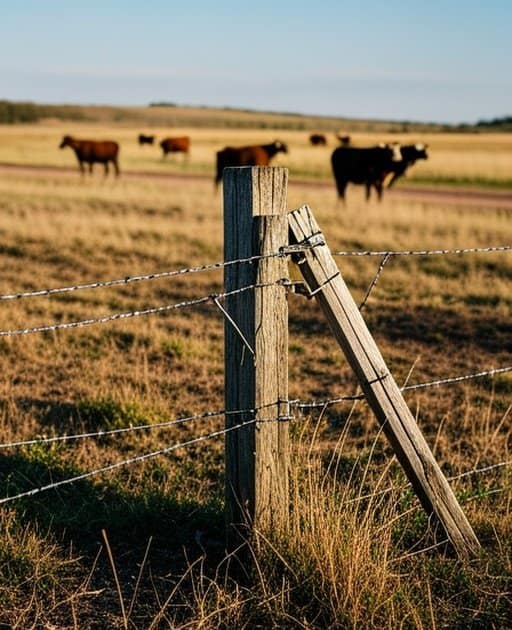
Repair economics compare immediate fix costs against expected longevity and ongoing maintenance implications—cheap temporary repairs requiring frequent re-application ultimately cost more than quality permanent fixes. Long-term maintenance costs for repeatedly patched fences often exceed replacement expenses over 5-10 year timeframes. Calculate cost-per-year for repair scenarios versus replacement determining economically optimal decisions. Quality repairs extending fence life 5-10 years justify higher material and labor investments compared to quick fixes lasting 1-2 years. Annual maintenance budgets should allocate 3-5% of fence value for repairs and upkeep.
Installation Complexity of Repairs
Repair complexity varies dramatically—simple wire re-tensioning or staple replacement suits DIY capabilities while structural post replacement or extensive section rebuilding may justify professional contractors despite higher costs. DIY repair feasibility depends on available tools, physical capability, technical knowledge, and time availability. Complex repairs attempted without proper skills or equipment often create worse problems than original damage. Realistic assessment of repair complexity helps determine whether DIY approaches truly save money or whether professional expertise proves more economical through efficient quality work preventing repeated failures and additional damage during amateur repair attempts.
Legal & Liability Considerations
Fence repair liability centers on maintaining adequate containment preventing livestock escapes—property owners bear responsibility for prompt repairs addressing known deficiencies. Documented repair schedules and maintenance logs demonstrate reasonable care if escape incidents occur. Shared fence repairs with neighbors require coordinating responsibility and cost allocation per local regulations and property agreements. Some jurisdictions mandate minimum lawful fence standards that repairs must maintain. Neglected fence maintenance creating foreseeable hazards may increase liability exposure—prioritize repairs promptly when damage occurs rather than accepting prolonged inadequate containment.
Related Fence Systems
- Fence Inspection & Preventive Maintenance – Systematic inspection schedules identifying problems before they escalate
- Fence Post Installation Guide – Proper techniques for replacing damaged posts
- Electric Fence Maintenance & Troubleshooting – Specialized repair techniques for electric systems
- Fence Cost & Budgeting – Financial planning for repair versus replacement decisions
- Climate & Weather Factors – Understanding environmental stress patterns affecting fence durability
- DIY Fence Installation Guide – Self-installation techniques applicable to repairs
Frequently Asked Questions
How do you know if a fence should be repaired or replaced?
Repair versus replacement decisions depend on damage extent (repair if under 30% affected), remaining fence lifespan (replace if under 5 years useful life remains), and cost comparison (repair if costs under 50% of replacement). Systemic problems like widespread post rot, outdated design inadequate for current livestock, or extensive storm damage often justify replacement despite higher upfront costs providing superior long-term value through reduced maintenance and improved performance.
Can you fix a leaning fence without replacing posts?
Yes, leaning fences can often be straightened without complete post replacement if posts remain structurally sound without below-ground rot. Straightening techniques include excavating around posts, realigning plumb, backfilling with gravel or concrete improving stability, and adding bracing preventing recurrence. However, posts showing rot, severe splitting, or inadequate initial depth require replacement rather than straightening providing only temporary fixes. Multiple leaning posts suggest systemic issues potentially warranting section replacement.
How long do livestock fence repairs typically last?
Quality fence repairs last 5-10 years when properly executed using appropriate materials and techniques matching original fence specifications. Wire splices typically serve 3-7 years, sister-post repairs provide 5-10 years additional service, and re-tensioning maintains performance 3-5 years before requiring adjustment. Temporary emergency repairs last months to 1-2 years. Repair longevity depends on initial damage severity, climate stress, livestock pressure, and maintenance quality.
What is the fastest way to fix sagging fence wire?
Fastest sagging wire repairs use wire stretchers or come-alongs re-tensioning existing wire without adding posts or replacing materials—typical repairs take 30-90 minutes per 100-foot section. Proper tensioning techniques apply gradual force preventing wire breakage or post displacement. Inline tensioners installed during repairs enable future adjustments without repeating full stretching procedures. Quick fixes using ratchet straps or temporary ties provide emergency solutions until proper tensioning equipment becomes available.
Is storm damage usually covered by farm insurance?
Storm damage coverage varies significantly by policy—many farm insurance policies cover fence repairs from named perils like wind, hail, and lightning, but exclude flood damage, gradual deterioration, or inadequate maintenance. Review specific policy language regarding fence coverage limits (often capped at $1,000-$5,000 per occurrence), deductibles, and documentation requirements. Photograph damage promptly, document repair estimates, and file claims within policy timeframes. Some policies require preventive maintenance documentation for claims approval. Consult insurance agents clarifying coverage before assuming fence repairs qualify for reimbursement.
Final Recommendations
Fence repair represents critical farm management skill preventing minor damage from escalating into expensive complete replacement while maintaining livestock security and property boundaries. Best for proactive farm owners committed to regular inspection schedules identifying problems early, prompt attention addressing issues before they worsen, and quality repair techniques restoring original fence performance rather than accepting compromised function through inadequate temporary fixes.
Repair early to prevent full rebuild—small problems ignored become systemic failures. Address damage within days or weeks rather than months preventing progressive deterioration and livestock adaptation to inadequate containment creating dangerous behavior patterns. Next step: establish systematic Fence Inspection & Preventive Maintenance protocols identifying developing problems enabling repairs during favorable conditions before damage escalates. Combine reactive repairs with proactive maintenance creating durable livestock containment serving decades through proper care, quality materials, and timely attention preventing minor issues from becoming expensive reconstruction projects.