
Wire Stretching & Tensioning Guide
Overview
Wire stretching and tensioning techniques determine livestock fence effectiveness, structural longevity, and maintenance requirements by establishing proper wire tautness preventing sagging, livestock escape, and progressive post failure. Correct tension varies by wire type—high-tensile systems require 200-250 pounds per strand maintaining effectiveness, barbed wire needs 80-120 pounds preventing sag without over-stressing posts, and woven wire demands specialized stretching preventing mesh distortion. Improper tensioning creates functional failures including inadequate cattle, horse, and sheep containment, accelerated wire fatigue, and excessive post stress causing premature structural deterioration.
This guide explains tension specifications by wire type, proper stretching tools and techniques, temperature compensation strategies, re-tensioning methods for sagging fence lines, and common tensioning mistakes preventing optimal performance. It is designed for DIY farmers, ranch owners, and fence installers building or maintaining wire-based livestock containment systems. Content focuses on practical methods achieving proper tension using standard equipment rather than specialized commercial tools. This page assumes basic understanding of fence post installation and corner bracing—complete fence installation fundamentals are covered in separate comprehensive guides.
YouTube search query: “how to stretch high tensile fence wire properly with fence stretcher tool”
What This Guide Covers
How Tight Should Fence Wire Be?
How tight fence wire should be varies by type and application—high-tensile smooth wire requires 200-250 pounds tension per strand measured using tension indicators, barbed wire needs 80-120 pounds preventing excessive sag, and woven wire mesh demands even stretching avoiding distortion. Proper tension provides firm resistance when pressed mid-span between posts without excessive tightness stressing corners or breaking wire during temperature fluctuations.
Best Tools for Stretching High-Tensile Wire
Best tools for stretching high-tensile fence wire include ratchet-style fence stretchers providing controlled gradual tension preventing over-tightening and wire breakage, come-along cable pullers offering economical alternatives for occasional use, and hydraulic stretchers used by professionals for extensive installations. Tension indicators or gauges measure applied force ensuring specifications are met. Quality stretching tools cost $40-$300 depending on type and capacity—investment justifies through proper tensioning preventing premature failures and repeated adjustments.
Using a Fence Stretcher Without Damaging Wire
Using a fence stretcher without damaging wire requires proper attachment techniques using stretcher grips designed for wire type, applying tension gradually in small increments testing wire condition, avoiding sharp bends or kinks creating stress concentration points, and monitoring for slippage or deformation during stretching process. Barbed wire particularly vulnerable to damage demands careful handling—attach stretchers between barbs preventing wire crushing or barb distortion compromising functionality.
Can You Over-Tighten Fence Wire?
Yes, over-tightening fence wire causes damage including wire breakage from excessive stress, premature metal fatigue reducing lifespan, corner post pulling and brace failure from extreme tension loads, and temperature-induced breakage when cold weather contracts already over-tensioned wire. High-tensile systems particularly sensitive to over-tensioning—exceeding manufacturer specifications by 20-30% significantly increases failure risk. Use tension indicators preventing guesswork ensuring proper tightness without exceeding safe limits.
How to Re-Tension a Sagging Fence Line
Re-tensioning a sagging fence wire line begins with identifying sag causes—loose wire from inadequate initial tension, post movement or leaning reducing system tightness, or wire elongation over time from livestock pressure. Re-stretching techniques attach fence stretchers mid-span or at end posts applying gradual tension until proper tautness restores, secure wire at new tension using appropriate fasteners, and verify tension uniformity along entire fence length. Severely sagging fences may indicate structural problems demanding post repairs before re-tensioning.
Proper Tension for Woven Wire Fence
Proper woven wire fence stretching requires specialized techniques preventing mesh distortion—stretch gradually from one end using fence stretchers attached to multiple horizontal wires distributing tension evenly, monitor vertical wire alignment ensuring rectangle patterns remain square without diamond-shaped distortion, and stop stretching when firm resistance achieved before over-tensioning causes mesh deformation. Woven wire proves more challenging than smooth wire stretching—incorrect technique permanently damages mesh structure requiring replacement.
Temperature Changes and Wire Expansion
Temperature changes significantly affect fence wire tension through metal expansion and contraction—wire expands when heated losing tension and contracts when cooled increasing tightness potentially causing breakage. Steel wire changes approximately 1 inch per 100 feet per 50°F temperature swing. Install fences at moderate temperatures (50-70°F) allowing equal expansion and contraction ranges, or tension slightly looser in summer and tighter in winter compensating for seasonal extremes. High-tensile systems particularly sensitive to temperature variations demand careful initial tensioning.
Electric Fence Wire Tension Guidelines
Whether electric fence wire should be stretched tight or slightly loose depends on conductor type and fence design—permanent electric systems using smooth wire benefit from moderate tension (50-100 pounds) maintaining straight lines without excessive tightness, while polywire and polytape require minimal tension preventing sag but allowing flexibility. Electric fences rely on psychological barriers rather than physical strength permitting lighter tension than traditional wire systems. Proper voltage delivery proves more critical than mechanical tension for electric fence effectiveness.
Inline Tensioners and Adjustment Systems
Installing inline wire tensioners provides ongoing adjustment capability compensating for wire elongation, temperature-induced tension changes, and gradual system settling without requiring complete re-stretching. Ratchet-style inline tensioners install mid-span or near corners enabling periodic tightening maintaining optimal tension, spring tensioners automatically compensate for minor variations, and turnbuckle tensioners offer precise manual adjustment. Inline systems particularly benefit high-tensile installations experiencing significant temperature-related tension variations throughout seasons.
Corner Post and Brace Assembly Requirements
Proper wire tension demands adequate corner post and brace construction withstanding cumulative wire loads—high-tensile systems generating 1,500-2,000+ pounds total tension require reinforced double-braced corners using 6-8 inch diameter posts, while lighter barbed wire fences tolerate single-brace assemblies with smaller posts. Inadequate corner construction causes progressive pulling and leaning regardless of proper wire tensioning techniques—invest in robust corners before stretching wire preventing expensive structural failures. Corner post installation fundamentals determine overall fence system capacity.
Common Decision Scenarios
If Your Fence Is Sagging After Winter
Post-winter fence sagging typically results from temperature-induced wire contraction during cold months followed by spring warming causing expansion and permanent wire elongation. Re-tensioning sagging fence lines in spring restores proper tightness before livestock turnout when containment becomes critical. Inspect posts for frost heave movement or leaning before re-stretching—straighten posts first preventing tension from pulling crooked systems further out of alignment. Annual spring re-tensioning proves normal maintenance for high-tensile systems experiencing significant seasonal tension variations.
If Livestock Are Leaning on the Fence
Livestock leaning, rubbing, or scratching against fences creates progressive tension loss through wire stretching and post displacement demanding robust initial installation and prompt repair. Preventing fence damage from cattle rubbing requires adequate wire tension providing firm resistance discouraging pressure, reinforced post spacing reducing span distance, and addressing underlying causes like mineral deficiencies or boredom driving destructive behavior. Cattle operations particularly face fence pressure issues—periodic re-tensioning maintains effectiveness despite livestock contact inherent to grazing management.
If You’re Installing High-Tensile Wire for the First Time
First-time high-tensile wire fencing installations demand understanding system differences from traditional barbed wire—greater tension requirements necessitating stronger corner assemblies, specialized stretching techniques preventing over-tensioning causing breakage, and temperature compensation strategies accounting for significant seasonal tension variations. Invest in appropriate stretching tools including tension indicators ensuring proper specifications are met. High-tensile systems offer superior longevity and reduced maintenance justifying initial installation complexity and material costs through decades of reliable service.
If You Want Low-Maintenance Tension Systems
Low-maintenance tension systems incorporate inline wire tensioners enabling periodic adjustments without complete re-stretching, spring-loaded tensioners automatically compensating for minor temperature variations, and proper initial installation tensioning at moderate temperatures allowing balanced expansion and contraction. High-tensile systems properly installed require minimal ongoing tension adjustments compared to traditional low-tensile wire experiencing greater elongation and sag. Budget for annual or biennial tension checks maintaining optimal performance—deferred maintenance creates progressive deterioration requiring expensive repairs or premature replacement.
Key Design & Planning Considerations
Wire Type and Required Tension
Wire type fundamentally determines appropriate tension specifications and stretching techniques—high-tensile smooth wire requires 200-250 pounds per strand measured using tension indicators achieving proper tautness without exceeding breaking strength, traditional low-tensile barbed wire needs 80-120 pounds providing adequate firmness without over-stressing corners, and woven wire mesh demands even distribution preventing distortion. Wire diameter, grade, and coating affect tensile strength—12.5-gauge high-tensile wire withstands 1,200-1,400 pounds breaking strength while 12.5-gauge low-tensile breaks at 800-900 pounds. Always tension below breaking strength providing safety margin preventing temperature-induced failures and livestock pressure damage. Consult manufacturer specifications for recommended tension ranges ensuring proper installation meeting performance expectations.
Fence Height & Spacing
Fence height and wire spacing affect tension requirements and post loading—taller fences create greater leverage multiplying lateral forces on posts demanding stronger installations, multiple wire strands accumulate tension requiring reinforced corner assemblies, and wider post spacing increases wire span requiring greater tension preventing excessive mid-span sag. Post spacing standards vary by fence type—high-tensile systems permit 15-20 feet through superior tension capabilities while traditional wire requires 12-16 feet preventing sag. Balance height and spacing with structural capacity ensuring corner posts and braces withstand cumulative wire loads without failure.
Post Stability and Bracing
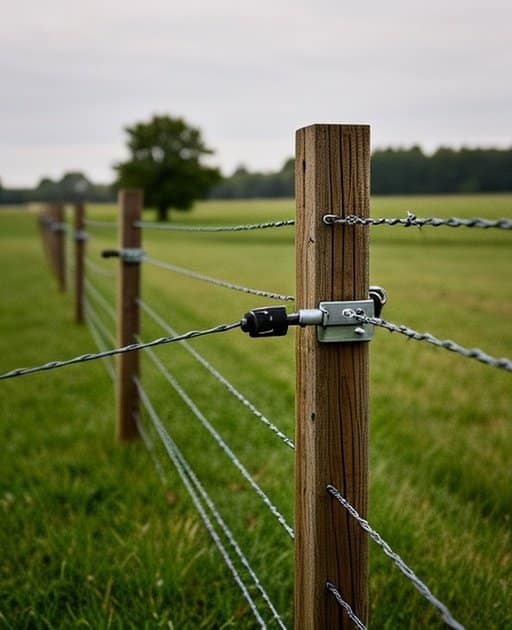
Wire tension effectiveness depends entirely on adequate fence post installation providing stable anchors resisting pulling forces—corner posts must be set deeper (36-48 inches minimum) using larger diameter wood (6-8 inches) or steel pipe, reinforced with H-braces or double-brace assemblies distributing tension loads, and potentially concrete-set in challenging soils. Line posts require adequate spacing and depth preventing leaning under wire pressure. Proper tensioning on inadequate posts causes progressive structural failure—corner pulling, post leaning, and brace breakage requiring expensive repairs. Verify post installation meets specifications before wire stretching preventing wasted effort tensioning systems lacking structural capacity maintaining proper tightness.
Safety Factors When Stretching Wire
Wire stretching creates significant injury risks demanding safety precautions preventing accidents—taut wire under high tension stores dangerous energy releasing suddenly if wire breaks or attachments fail, stretching equipment can slip causing violent recoil injuring operators, and wire under tension poses laceration hazards from sharp ends and barbs. Essential safety practices include wearing heavy leather gloves and eye protection, positioning body clear of wire recoil paths, using rated equipment appropriate for loads, applying tension gradually testing system integrity, and maintaining awareness of wire location preventing accidental contact. Never stand directly in line with tensioned wire—position perpendicular to wire direction minimizing injury risk if breakage occurs. Prevent installation injuries through proper technique and protective equipment rather than accepting preventable accidents.
Long-Term Maintenance Planning
Wire tension maintenance schedules balance proactive adjustments with practical labor availability—high-tensile systems benefit from annual spring re-tensioning compensating for winter contraction and permanent elongation, traditional wire fences require inspection-based re-tensioning when sag becomes visible affecting containment, and electric systems demand tension sufficient preventing ground contact but tolerate more sag than physical barriers. Integrate tension checks with regular fence inspection schedules maximizing efficiency—quarterly walks identifying developing sag enable prompt adjustment preventing complete failure. Budget ongoing maintenance costs including periodic re-tensioning as normal operational expense rather than deferrable work—proper tension maintenance extends fence lifespan significantly through reduced wire fatigue and post stress.
Related Fence Systems
- Electric Fence Installation Guide – Comprehensive setup for systems requiring minimal tension compared to traditional wire
- Woven Wire Fence Systems – Specialized mesh stretching techniques preventing distortion
- Fence Repair Guides – Addressing tension loss from damage and structural failures
- Fence Planning Basics – Comprehensive layout methodology before installation and tensioning
- High-Tensile Wire Fencing Hub – Complete information on premium wire systems demanding precise tensioning
- Fence Post Installation – Foundation work providing structural capacity for proper wire tension
Frequently Asked Questions
How tight should high-tensile fence wire be?
High-tensile fence wire should be tensioned to 200-250 pounds per strand measured using tension indicators or gauges ensuring proper specifications are met. This provides firm resistance when pressed mid-span without excessive tightness risking temperature-induced breakage. Wire should feel taut producing musical tone when struck, but not guitar-string tight indicating over-tensioning. Proper tension prevents livestock pushing through while maintaining safety margin below breaking strength.
Can you stretch fence wire without professional tools?
Yes, fence wire can be stretched using improvised methods including come-along cable pullers ($30-$60) providing controlled tension, vehicle-powered stretching using chains or straps (requires extreme caution), or even manual pulling for very short sections, but professional fence stretchers ($40-$300) prove safer and more effective preventing wire damage and injury. Improvised methods lack precision measuring applied tension risking over-tightening or inadequate stretching compromising fence performance. Professional tools justify investment through proper tensioning and reduced breakage.
What happens if fence wire is too tight?
Over-tightening fence wire causes immediate breakage during installation, premature metal fatigue reducing wire lifespan 30-50%, corner post pulling and brace failure from excessive loads, and temperature-induced breakage when cold weather contracts already over-tensioned wire increasing stress beyond breaking point. High-tensile systems particularly vulnerable—exceeding specifications by 20-30% significantly increases failure risk. Use tension indicators preventing guesswork ensuring safe appropriate tightness.
Does cold weather loosen fence tension?
No, cold weather actually increases fence tension as wire contracts with decreasing temperatures—steel wire shortens approximately 1 inch per 100 feet per 50°F temperature drop. This creates tighter tension potentially causing over-stressed wire breakage if initial tensioning was excessive. Conversely, hot weather loosens tension as wire expands. Install fences at moderate temperatures (50-70°F) allowing balanced expansion and contraction ranges preventing temperature-extreme failures. Spring re-tensioning addresses winter contraction effects.
How often should fence wire be re-tensioned?
Fence wire re-tensioning frequency depends on wire type and conditions—high-tensile systems benefit from annual spring adjustments compensating for winter contraction and permanent elongation, traditional wire requires inspection-based re-tensioning every 2-5 years when visible sag develops, and new fences need initial re-tensioning after 6-12 months as systems settle. Heavy livestock pressure areas demand more frequent attention. Integrate checks with regular fence inspections identifying developing problems enabling prompt correction.
Final Recommendations
Wire stretching and tensioning represents critical livestock fence installation and maintenance skill determining system effectiveness, structural longevity, and operational performance. Best for traditional wire fence systems including barbed wire, high-tensile smooth wire, and woven wire mesh requiring proper tension maintaining containment and preventing premature deterioration. Not applicable to board fencing, PVC systems, or decorative residential fencing where tension proves irrelevant.
Master proper tensioning techniques before attempting fence installation—inadequate tension creates progressive sag and livestock escape while over-tensioning causes wire breakage and structural failure. Invest in appropriate stretching tools including tension indicators ensuring specifications are met rather than relying on guesswork producing inconsistent results. Next recommended reading includes comprehensive fence repair guides addressing tension loss and structural problems, high-tensile wire systems for premium installations, and post installation fundamentals providing structural foundation supporting proper wire tension throughout decades of service.