1️⃣ Short Answer
Yes, barbed wire fences are dangerous for horses. Barbed wire can easily cause deep cuts, puncture wounds, and severe entanglement injuries when horses spook, lean, or attempt to cross fence lines. Unlike smoother fencing systems, barbed wire escalates minor contact into serious injury and is widely considered unsafe for horse environments.
2️⃣ Why This Question Matters
Barbed wire is still common on farms and rural properties, especially where land was previously used for cattle. Many horse owners inherit existing fencing or assume barbed wire is acceptable because it “works fine for other livestock.” The danger often isn’t obvious until a horse panics, gets pushed by herd movement, or attempts to cross a fence line. Injuries caused by barbed wire are rarely minor and often result in emergency veterinary care, long recovery times, or permanent damage. This question typically comes up when converting land to horse use or after a close call highlights the risk.
3️⃣ Key Factors to Consider
- Horse flight response and tendency to panic under pressure
- Risk of skin tearing and limb entanglement
- Fence behavior during leaning, pushing, or collapse
- Visibility of the fence line at speed
- Location of fencing relative to turnout and pressure zones
4️⃣ Detailed Explanation
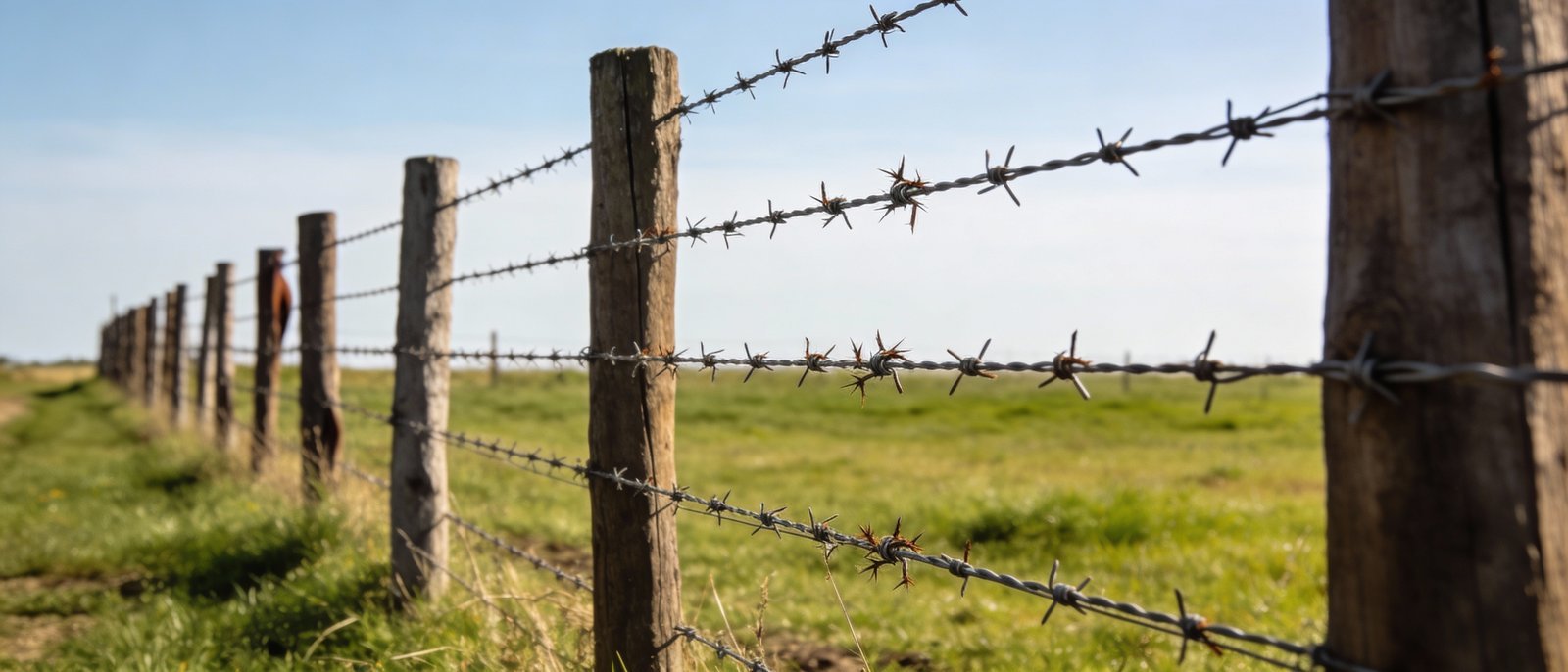
Barbed wire is dangerous for horses because it is designed to injure on contact. While cattle tend to respect barbed wire and move away when pricked, horses respond very differently. Horses flee first and evaluate later. When a horse spooks or is pushed into a barbed wire fence, the barbs grip skin, hair, and muscle, preventing clean disengagement.
Once entangled, injuries escalate rapidly. Horses may thrash, pulling barbs deeper into tissue and turning superficial cuts into deep lacerations. Legs, chests, shoulders, and faces are particularly vulnerable. These injuries often require stitching, extended stall rest, and can result in lasting scarring or soundness issues.
Barbed wire also performs poorly under pressure. As posts loosen or wires sag, barbs become more exposed and more likely to catch a horse at chest or leg height. Over time, fences that initially seemed adequate become increasingly hazardous without obvious visual warning.
The danger is not limited to dramatic escape attempts. Everyday behaviors—scratching, grazing along fence lines, or social pushing—can bring horses into repeated low-level contact with barbed wire. Each contact increases the chance of a serious incident. Because horses interact with fencing daily, systems that escalate minor mistakes into major injuries are fundamentally incompatible with horse safety.
5️⃣ Horse Panic Behavior and Injury Severity
Horses are prey animals with a strong flight response. When startled, they move quickly and forcefully, often without regard for obstacles. Barbed wire turns this instinct into a high-risk situation. Instead of allowing a horse to bounce off or retreat, barbs catch and hold.
In panic situations, horses rarely stop struggling. The more they pull, the worse the injuries become. This is why barbed wire injuries are often severe rather than superficial. Even calm horses can panic under the right conditions, making barbed wire a constant latent risk rather than an occasional one.
6️⃣ Fence Visibility and Pressure Zones
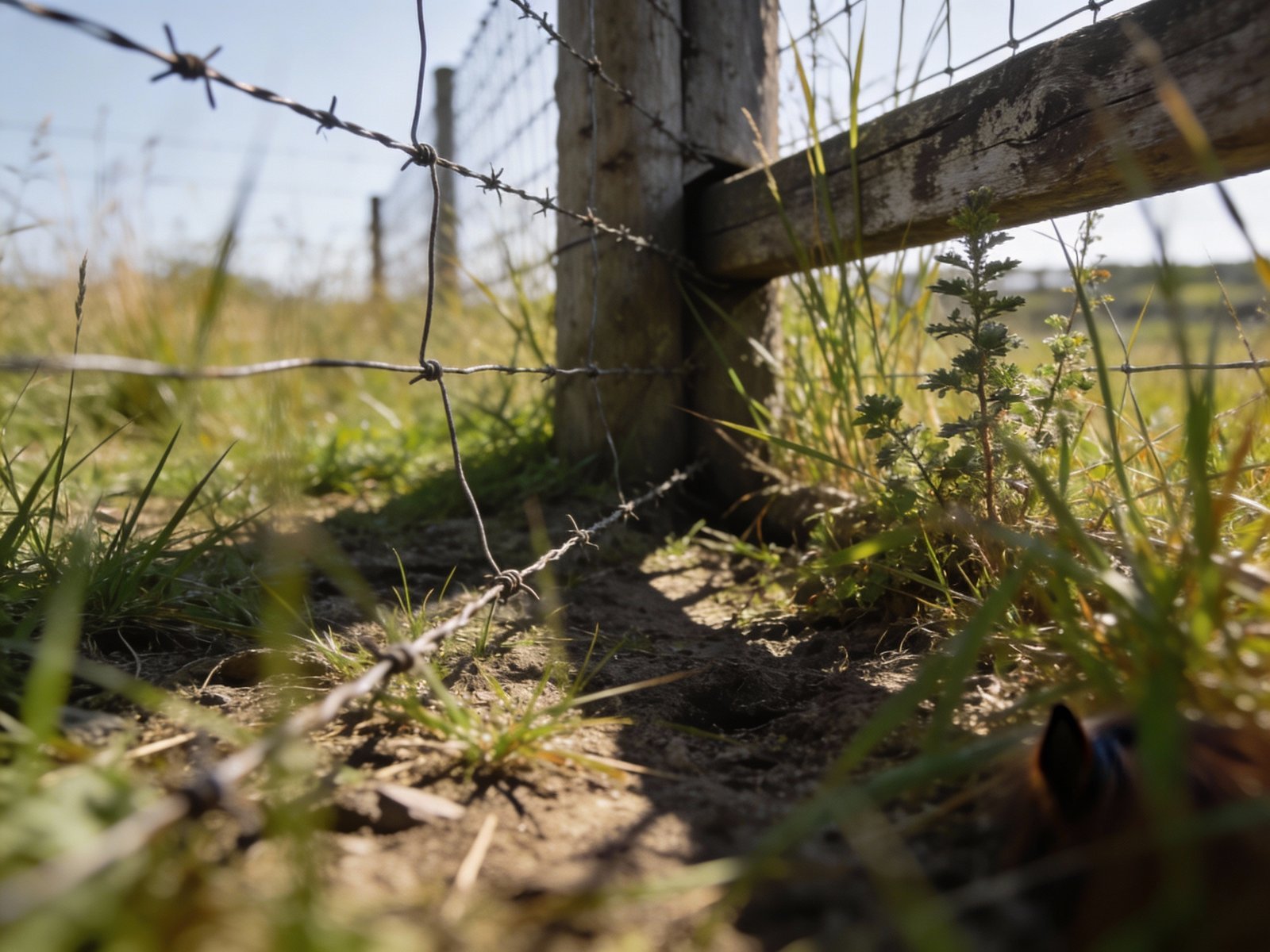
Barbed wire is often difficult for horses to see, especially at speed or in low light. Thin wire blends into grass, shadows, and uneven terrain. Poor visibility increases collision risk, while the presence of barbs ensures that any collision results in injury.
High-pressure zones such as corners, gates, water access points, and shared fence lines amplify this risk. Horses congregate, push, and change direction quickly in these areas. Barbed wire in pressure zones dramatically increases the likelihood of entanglement and injury.
7️⃣ When This Works Well
- Areas completely inaccessible to horses
- External boundary fencing with no horse contact
- Temporary containment during land transition phases
- Situations where barbed wire is fully offset from horse access
- Properties planning full fence replacement
8️⃣ When This Is Not Recommended
- Any turnout, pasture, or paddock used by horses
- Shared fencing between horses and other livestock
- High-traffic or high-pressure fence lines
- Areas with poor visibility or uneven terrain
- Facilities prioritizing injury prevention and welfare
9️⃣ Alternatives or Better Options
Safer alternatives to barbed wire include smooth wire systems, woven wire with safe spacing, wood fencing, vinyl fencing, and electric fencing. Electric offsets are particularly effective when replacing barbed wire, as they discourage contact without causing physical injury.
In many cases, simply adding an electric offset inside an existing barbed wire fence can reduce immediate risk while long-term replacement is planned. These alternatives exist because they tolerate horse behavior rather than punishing it.
🔟 Cost, Safety, and Practical Notes
Barbed wire is often chosen because it is inexpensive and readily available. However, the cost of a single serious injury frequently exceeds the cost of replacing or modifying fencing. Veterinary bills, rehabilitation time, and potential loss of use make barbed wire a false economy for horse owners.
From a safety standpoint, barbed wire offers no margin for error. It converts everyday fence interaction into a potential emergency. The practical trade-off is clear: lower upfront cost versus significantly higher injury risk. For any property where horses are present, barbed wire represents one of the highest-risk fencing choices available.
🎥 Video Demonstration
This video shows why barbed wire fencing creates high injury risk for horses and demonstrates safer alternatives used in real horse environments.
Quick Takeaway
Barbed wire is dangerous for horses because it traps and injures rather than discourages contact. Safer fencing systems exist that prevent injuries instead of causing them.