Short Answer
Yes, electric fences are legal in most countries and are regulated by safety standards. Laws typically allow electric fencing when certified energizers are used, output limits are respected, and warning signs are installed where required. Regulations focus on pulse energy, installation practices, and public safety rather than banning electric fences outright.
Why This Question Matters
Electric fencing sits at the intersection of private property use, animal control, and public safety. Landowners want to avoid fines, disputes, or liability if someone is injured or complains. Neighbors and local authorities want assurance that electric fences are not dangerous or reckless. This question matters because legality is not universal—it depends on how and where the fence is installed. Understanding the regulatory framework helps users design systems that are both effective and defensible, avoiding problems that come from ignorance rather than intent.
Key Factors to Consider
- Most regulations focus on energizer certification and output limits
- Public-facing fences often require warning signs
- Local zoning or boundary laws may restrict placement
- Liability increases with poor maintenance or non-compliant equipment
Detailed Explanation
Electric fences are legal largely because they are designed around controlled, non-lethal energy delivery. Regulatory bodies recognize that pulsed, low-current electric fencing does not pose the same risk as continuous electrical systems. As a result, laws typically regulate how electric fences are built and used rather than prohibiting them.
Safety standards usually define maximum energy output, pulse duration, and minimum time between pulses. Certified energizers are tested to meet these limits and are the foundation of legal compliance. Using uncertified or improvised power sources is one of the fastest ways to violate regulations and increase liability.
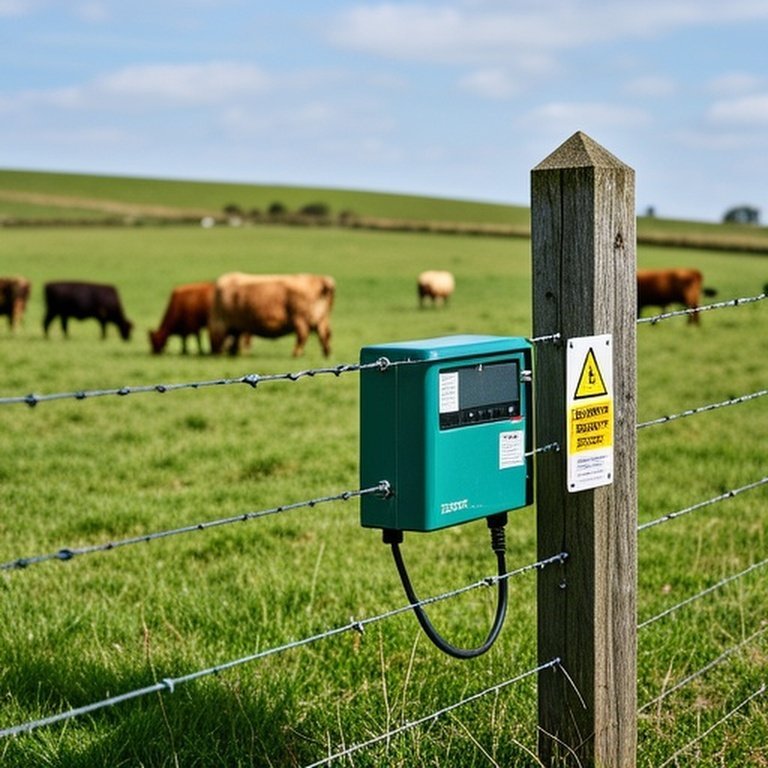
Placement rules are also common. Electric fences near roads, public paths, or shared property lines often require warning signs or additional barriers. These rules exist to prevent accidental contact and to ensure that people unfamiliar with electric fencing are properly informed. In agricultural settings, requirements are usually less strict but still exist.
Enforcement is generally complaint-driven. Most violations arise after an incident, neighbor dispute, or inspection triggered by visible problems. In these cases, authorities look at whether the fence followed recognized safety standards, not whether electricity was used at all. When installed correctly, electric fencing is widely accepted as a lawful and responsible containment method.
How Use Context Affects Legality
Legality depends heavily on context. Agricultural and rural fencing typically faces fewer restrictions than fencing near residential areas. Fences intended solely for livestock containment are usually permitted with minimal oversight, provided standard equipment is used.
In contrast, fences near public access points are more regulated. Requirements may include warning signs, minimum setback distances, or physical barriers. The more people who could reasonably encounter the fence, the higher the compliance burden. Understanding use context helps prevent accidental violations.
Livestock vs. Residential Considerations
Electric fencing for livestock is generally assumed to be necessary and lawful. Residential or pet-related fencing is scrutinized more closely, especially where children or visitors are present. Output limits may be the same, but placement and signage expectations differ.
Matching fence design to its intended use is critical for compliance. A system legal on open farmland may not be acceptable unchanged in a residential-adjacent setting.
Terrain, Visibility, and Boundary Issues
Boundary disputes are a common legal trigger. Electric fences placed directly on property lines or in shared spaces invite complaints. Visibility reduces both safety risk and legal risk by demonstrating reasonable care.
Terrain also matters. Slopes, blind corners, and access paths may require additional precautions to meet safety expectations, even if not explicitly spelled out in law.
When This Works Well
- Certified energizers used within rated limits
- Fence placement respects property boundaries
- Warning signs installed where public access exists
- Regular inspection and maintenance documented
When This Is Not Recommended
- Unmarked fencing near public paths or roads
- Improvised or modified power sources
- Ignoring local zoning or boundary requirements
- Neglected systems that appear unsafe
Alternatives or Better Options
In sensitive areas, combining electric fencing with physical barriers improves legal defensibility. Mesh, rails, or panels create a visible boundary while electric offsets provide deterrence. This hybrid approach often satisfies regulators and neighbors alike.
In some jurisdictions, low-output or temporary fencing may face fewer restrictions. These options trade permanence for easier compliance in shared-use environments.
Cost, Safety, and Practical Notes
Legal compliance is usually inexpensive. Certified energizers, warning signs, and proper installation add modest costs compared to potential fines, disputes, or liability claims. Overpowered or non-compliant systems increase risk without providing meaningful benefits.
Practically, documentation matters. Keeping manuals, receipts, and inspection records helps demonstrate good faith if questions arise. Long-term compliance comes from following standards, maintaining visibility, and responding promptly to concerns—not from avoiding electric fencing altogether.
Understanding NEC Grounding Requirements
Quick Takeaway
Electric fences are legal and regulated because they are designed to be safe. Compliance depends on certified equipment, proper placement, and visibility—not on avoiding electricity itself.