Short Answer
Yes, electric fences are generally safe for horses when properly designed, installed, and maintained. They deliver a brief, low-energy pulse that startles rather than injures. When visibility, spacing, and voltage are appropriate for horses, electric fencing is widely used to prevent injury, escape, and fence-breaking behavior.
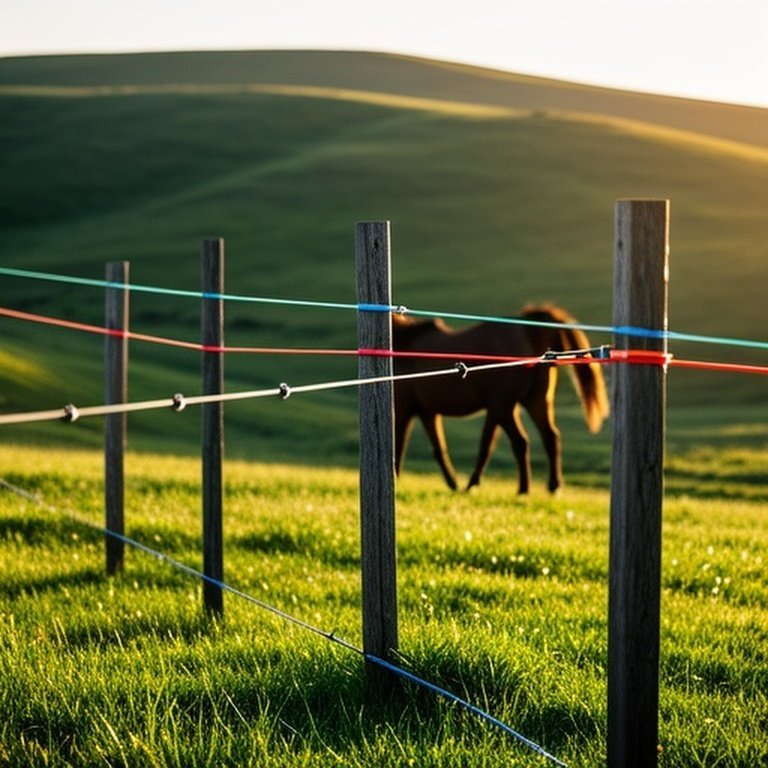
Key Factors to Consider
- Horses rely heavily on vision and memory to respect boundaries
- Electric shock is brief and behavioral, not physically damaging
- Visibility and wire height matter more than raw voltage
- Most injuries occur from panic or poor fence design, not electricity
Detailed Explanation
Electric fences work particularly well for horses because horses learn quickly and remember boundaries visually. When a horse touches an electric fence, it receives a sharp but momentary shock that triggers an immediate withdrawal response. The pulse is short and low in energy, preventing sustained current from flowing through the body. This design minimizes the risk of burns, nerve damage, or cardiac effects.
Unlike rigid fencing, electric fencing discourages leaning, rubbing, or pushing—behaviors that often cause injuries with wood or wire fences. Once trained, most horses avoid contact entirely, reducing long-term exposure to shock. This psychological respect is why electric fencing is commonly used for paddocks, rotational grazing, and interior divisions.
Safety issues typically arise from poor visibility or layout, not from the electric shock itself. Horses that do not clearly see fence lines may collide with them, especially when startled or running. Thin wire without visual markers increases this risk. Improper spacing or poorly placed corners can also trap a horse momentarily, increasing stress and injury potential.
Voltage levels used for horses are not dangerous when energizers are properly rated. Horses have relatively thin skin compared to cattle, so effective deterrence is achieved at moderate voltage. Increasing power beyond this does not improve safety and may increase anxiety. When fences are visible, well-spaced, and correctly grounded, electric fencing remains one of the safest containment options for horses.
How Horse Behavior Affects Fence Safety
Horses are flight animals. Sudden fear triggers fast, powerful movement rather than curiosity or testing behavior. This makes fence visibility critical. Horses that clearly see a boundary are far less likely to panic into it. Once trained, they respect the fence mentally and avoid physical contact altogether.
Problems occur when fences are hard to see, placed near pressure points, or combined with stressors like unfamiliar environments. Horses rarely challenge fences intentionally, but they can run into poorly marked lines during spooking or play. Designing fencing around natural movement patterns significantly reduces risk.
Young Horses vs. Mature Horses
Young horses learn quickly but may be more reactive. Lower initial voltage combined with high visibility helps training without causing fear. Thin, poorly marked wire is especially risky for inexperienced horses.
Mature horses are calmer and rely on memory. Once trained, they rarely test fences. Higher voltage is usually unnecessary and does not improve safety. Matching fence design to experience level is more important than adjusting power output.
Terrain, Visibility, and Pressure Zones
Uneven terrain, corners, and gates are common pressure zones for horses. These areas require extra visibility and thoughtful layout. Slopes and narrow runs increase speed and reduce reaction time, making collisions more likely if fences are hard to see.
Adding visual tape, adjusting heights, and avoiding sharp angles near high-traffic areas dramatically improves safety. Terrain planning reduces panic-driven contact far more effectively than changing voltage.
When This Works Well
- Fences use wide tape or visible markers
- Voltage is moderate and regulated
- Horses are gradually trained to the system
- Layout avoids tight corners and blind approaches
When This Is Not Recommended
- Thin wire with poor visibility
- Crowded turnout areas with no retreat space
- Improvised or overpowered energizers
- High-stress environments without proper acclimation
Alternatives or Better Options
For perimeter fencing, combining electric strands with wood or mesh fencing offers both physical visibility and behavioral deterrence. This reduces collision risk while maintaining respect for boundaries.
In high-value or high-traffic areas, flexible rail systems with electric offsets provide additional safety. These options cost more but offer peace of mind where injury risk carries higher consequences.
Cost, Safety, and Practical Notes
Electric fencing is cost-effective for horse properties, especially for interior paddocks and rotational grazing. Spending more on visibility—tape width, markers, corner design—often improves safety more than upgrading energizers.
Routine inspection is essential. Loose lines, vegetation contact, or broken insulators can reduce consistency and create unpredictable shocks. Long-term safety comes from stable, visible boundaries and calm horse behavior—not higher voltage or stronger equipment.
Expert Setup and Safety Demonstration
Quick Takeaway
Electric fences are safe for horses when designed around visibility, behavior, and proper installation. The shock teaches respect; the layout prevents panic. Most risks come from poor design—not electricity.