Short Answer
The best fence design for rocky ground typically uses driven steel posts or drilled-and-set corner assemblies combined with high-tensile wire or flexible fencing systems. Designs that minimize deep digging and rely on strong bracing, surface adaptability, and strategic anchoring perform better than traditional deep-set wood post systems in rocky terrain.
Why This Question Matters
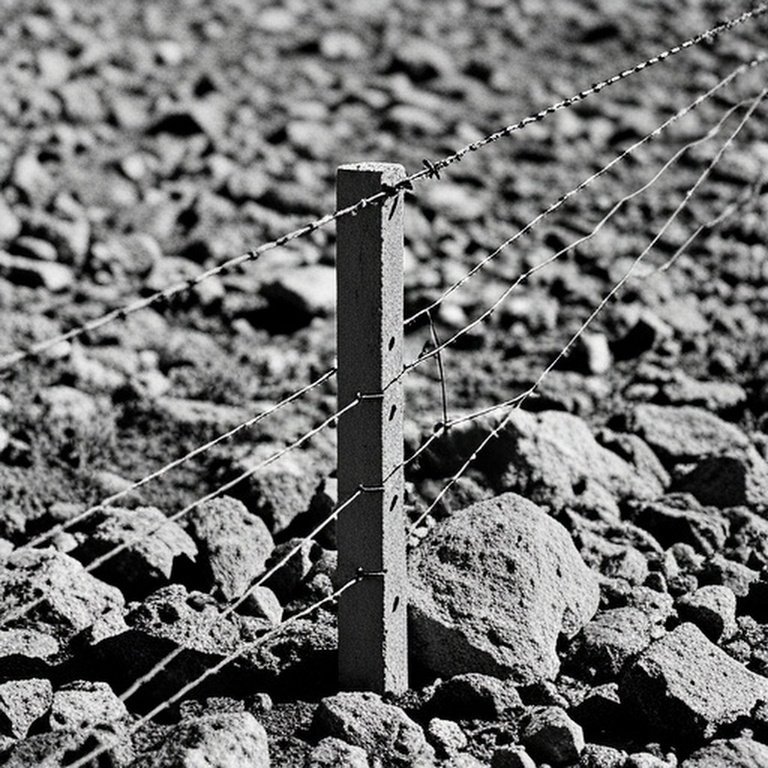
Rocky ground dramatically changes how fences must be installed. Standard post-hole digging may be impossible, depth consistency becomes difficult, and improper installation can lead to unstable lines or expensive delays. Many fencing failures in rocky terrain occur not because of poor materials, but because the design did not adapt to subsurface conditions.
Choosing the right fence design reduces labor, prevents equipment damage, and ensures long-term structural stability. In rocky soils, installation technique often matters more than fence type. Planning correctly from the start can save significant time and cost while improving overall fence performance.
Key Factors to Consider
- Depth limitations caused by bedrock or large stones
- Ability to drive posts versus drilling holes
- Corner and brace strength under tension
- Wire type flexibility for uneven terrain
- Equipment availability for rocky installation
Detailed Explanation
Rocky ground creates two primary challenges: limited dig depth and inconsistent soil support. When large stones or shallow bedrock prevent digging standard 2–3 foot post holes, traditional wood posts set in soil may lack adequate embedment. In these conditions, driven steel T-posts or pipe posts often perform better because they can be hammered between rocks rather than requiring full excavation.
Corner and end posts require special attention. High-tension fencing systems depend on strong brace assemblies. In rocky terrain, these posts are often drilled directly into rock or set in concrete-filled drilled holes. If drilling is not possible, shorter but wider-set brace systems may compensate for reduced depth. Structural strength must come from bracing geometry rather than depth alone.
Fence material selection also matters. High-tensile smooth wire adapts well to uneven terrain because it can span minor elevation shifts. Woven wire and rigid panels require more consistent post alignment, which can be harder to achieve in rocky soil. Flexible systems reduce stress on posts and allow slight movement without failure.
Ultimately, the best design for rocky ground minimizes deep excavation, uses strong anchor points, and emphasizes bracing strength over uniform depth. Adapting the system to the terrain ensures durability without excessive labor.
Terrain and Structural Considerations
Depth Limitations and Post Strategy
In rocky ground, achieving full recommended depth may be unrealistic. Instead of forcing uniform depth, focus on maximizing holding power where possible. Driven steel posts often achieve sufficient stability even at slightly reduced depths because surrounding rock provides lateral resistance. Strategic placement between stones improves anchoring.
For major anchor points such as gates and corners, drilling into bedrock provides exceptional strength. Even a shallow drilled hole filled with concrete can outperform a deep soil-set post.
Wire Type and Terrain Adaptability
Rigid fencing systems struggle in uneven, rocky landscapes. Flexible wire systems—particularly high-tensile multi-strand—adjust more easily to dips and rises without overstressing posts. This flexibility reduces breakage and long-term structural fatigue.
Equipment and Labor Efficiency
Rock augers, jackhammers, or hydraulic post drivers may be required. Planning equipment access routes in rocky terrain prevents installation delays. Sometimes modifying layout slightly to avoid dense rock clusters can dramatically reduce labor time.
When This Works Well
- Terrain contains scattered rock but not continuous solid bedrock
- High-tensile wire systems are used with strong brace assemblies
- Corner posts are drilled or reinforced properly
- Installation equipment is matched to ground conditions
When This Is Not Recommended
- Attempting standard shallow wood post systems without bracing
- Ignoring brace reinforcement in high-tension designs
- Forcing uniform post depth despite subsurface rock barriers
- Installing rigid panel fencing across uneven rock slopes
Alternatives or Better Options
Drilled Rock Anchored Posts
In areas with exposed bedrock, drilling and setting posts directly into rock provides exceptional strength. This method is labor-intensive but highly durable.
Surface-Mounted Post Systems
In extreme rock conditions, some fence systems use surface plates bolted into rock. This approach works well for permanent boundaries but requires precision drilling.
Offset or Adjusted Fence Lines
Slightly shifting the fence line to avoid dense rock clusters can reduce installation cost without affecting function.
Cost / Safety / Practical Notes
Rocky ground increases installation cost due to labor, equipment wear, and slower progress. However, once installed correctly, fences in rocky soil can be extremely stable because rock provides excellent lateral support.
Safety is critical during installation. Drilling or driving posts into rock generates vibration and flying debris. Proper protective equipment is essential. Equipment strain is also higher, so ensuring machinery is rated for rocky terrain prevents breakdowns.
From a practical standpoint, brace strength is more important than uniform depth in rocky environments. A well-designed brace assembly can compensate for reduced embedment depth. Planning corner reinforcement and using flexible wire systems usually yields the best balance between durability and efficiency.
Quick Takeaway
The best fence design for rocky ground minimizes digging, maximizes brace strength, and uses flexible wire systems with driven or drilled anchor posts. Adapt the structure to the terrain instead of forcing standard soil-based installation methods.