
Short Answer
The best post spacing for woven wire fence is typically 8 to 12 feet apart for line posts, with heavy-duty corner and brace posts properly installed. Closer spacing (8–10 feet) provides better tension support and predator resistance, while 12-foot spacing may work in low-pressure livestock areas with stable soil.
Why This Question Matters
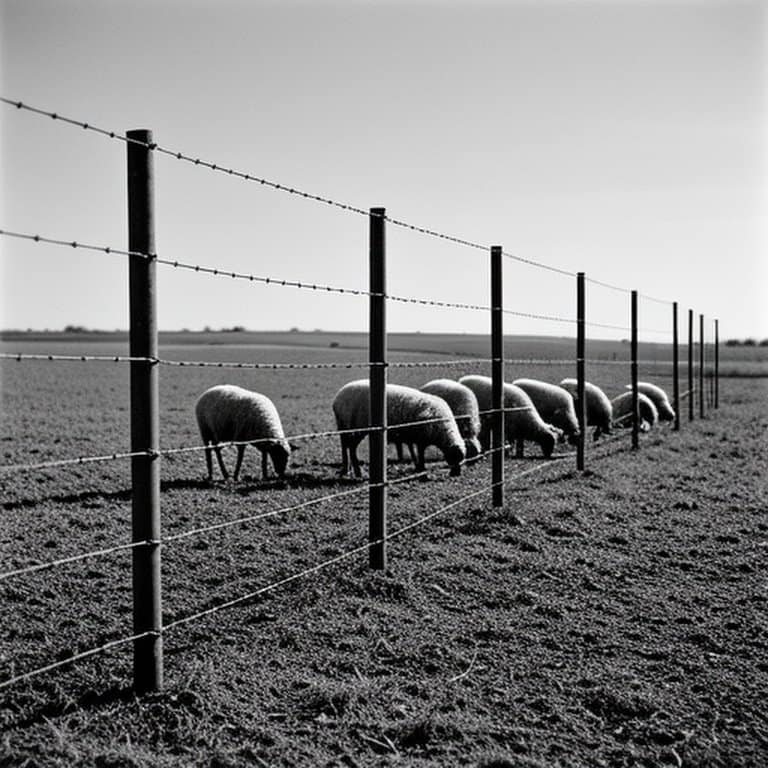
Post spacing directly affects fence strength, longevity, and overall cost. If posts are spaced too far apart, woven wire can sag, lose tension, and become vulnerable to livestock pressure or predator entry. If posts are too close, installation costs rise significantly without always improving performance. Finding the right spacing balance ensures structural integrity while keeping material and labor costs under control — especially for large farm or ranch perimeters.
Key Factors to Consider
- Livestock size and pressure against the fence
- Soil stability and moisture conditions
- Fence height and wire gauge
- Terrain slope and contour changes
- Predator pressure and bottom security needs
Detailed Explanation
Woven wire fencing relies on tension across its length to remain strong and effective. Line posts serve as vertical supports, but the real structural strength comes from properly braced corner assemblies and evenly distributed support posts. In most farm settings, 8 to 12 feet between line posts provides adequate support for standard field fence.
Closer spacing — around 8 to 10 feet — helps maintain tighter wire tension over time. This is especially important for sheep, goats, or predator-resistant installations where sagging at the bottom could create entry points. Heavy livestock pressure, such as cattle leaning or rubbing, also benefits from reduced spacing.
On flatter terrain with stable soil, 12-foot spacing can work effectively, especially for cattle containment where extreme tension is less critical. However, uneven terrain requires shorter spacing to prevent gaps forming between posts and ground. Slopes and dips create natural stress points where woven wire can pull away if unsupported.
Corner posts and brace assemblies are even more critical than line spacing. Without solid H-braces or diagonal bracing at corners and ends, even closely spaced line posts cannot prevent long-term sagging. Proper tensioning during installation also plays a major role. The best post spacing works in combination with solid bracing and correct wire stretching techniques.
How Cattle Behavior Affects This Choice
Cattle frequently lean, rub, and push against fencing. Wider post spacing increases flex between posts, which encourages sagging over time. In cattle-heavy areas, spacing closer to 8–10 feet improves durability.
If woven wire is combined with a single hot wire offset to discourage leaning, 10–12 foot spacing may perform adequately while reducing costs.
Calves vs Mature Cattle Considerations
Calves are more likely to test lower fence sections. Wider spacing can allow slight bottom bowing between posts, which creates weak points.
For mixed herds or calving pastures, tighter spacing helps maintain ground-level security and reduces the risk of small animals pushing through.
Terrain, Visibility, and Pressure Zones
Uneven ground dramatically impacts post spacing decisions. Dips, swales, and slopes increase stress on woven wire.
In rolling terrain, spacing closer to 8 feet prevents tension loss and reduces the need for constant re-stretching. High-pressure zones near gates, feeding areas, or water sources may also benefit from tighter spacing.
When This Works Well
- 8–10 foot spacing in sheep or goat fencing
- 10–12 foot spacing in cattle-only pastures
- Flat terrain with stable soil conditions
- Properly braced corner and end assemblies
- High-tension installation with quality posts
When This Is Not Recommended
- 12+ foot spacing in predator-heavy regions
- Rocky or sandy soil without strong anchoring
- Steep slopes with contour variation
- Areas with frequent livestock leaning pressure
- Installations without reinforced corner bracing
Alternatives or Better Options
Closer Spacing with T-Posts
Using wood corner posts and steel T-posts at 8-foot intervals balances cost and support while improving tension retention.
High-Tensile Wire System
Requires wider post spacing but uses higher tension and fewer strands. More specialized installation method.
Electric Offset Addition
Adding a hot wire reduces livestock pressure, allowing slightly wider spacing without compromising fence performance.
Cost, Safety, and Practical Notes
Closer post spacing increases material and labor costs. Reducing spacing from 12 feet to 8 feet increases post count by roughly 50 percent over long runs. However, inadequate spacing can lead to sagging, re-stretching costs, and early failure.
Safety improves with proper support. Sagging woven wire can trap animals or create openings for predators. Investing in correct bracing and appropriate spacing reduces long-term maintenance and repair risks.
In most farm applications, 8–10 feet offers the best balance of strength, longevity, and cost efficiency.
Quick Takeaway
The best post spacing for woven wire fence is typically 8–10 feet for stronger installations and up to 12 feet in low-pressure cattle settings. Proper corner bracing and correct tensioning matter just as much as spacing. When in doubt, slightly closer spacing improves durability and reduces long-term maintenance.