Short Answer
The best way to clear grass along a fence line is to maintain a consistent 12–24 inch vegetation-free strip using a combination of mowing or string trimming for routine control and targeted herbicide or gravel barriers for long-term suppression. The ideal method depends on fence type, terrain access, livestock pressure, and maintenance frequency.
Why This Question Matters
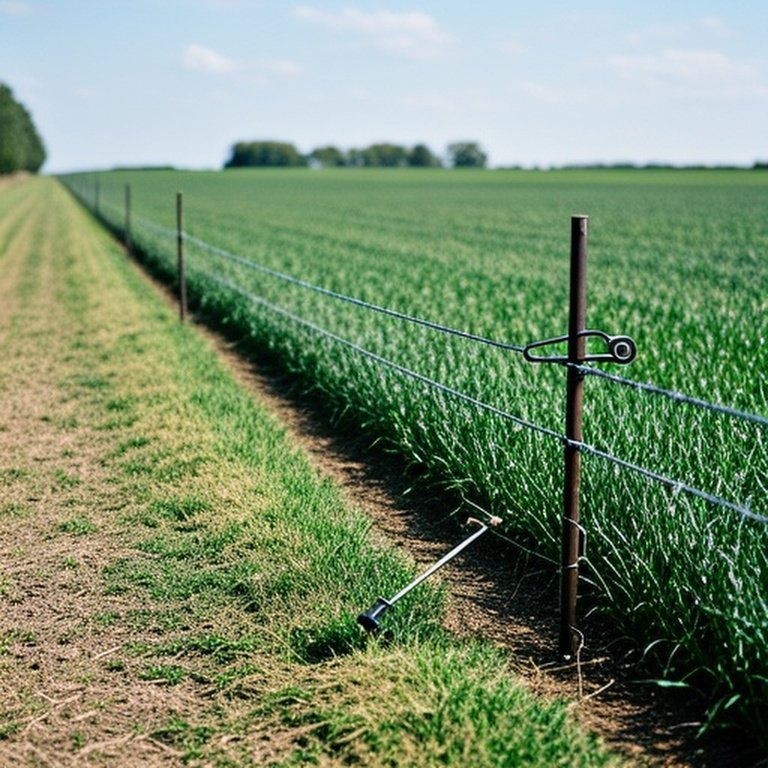
Grass and weeds along a fence line are more than a cosmetic issue. Overgrowth can reduce electric fence voltage, trap moisture against wooden posts, accelerate corrosion on wire, and make inspections difficult. In livestock systems, thick vegetation can also hide weak spots where animals push or crawl under fencing.
If maintenance is irregular, small growth quickly becomes dense root systems that are harder and more expensive to control. Choosing the right clearing strategy early prevents ongoing labor problems, improves fence lifespan, and reduces emergency repairs. A consistent vegetation plan turns fence maintenance from reactive to predictable.
Key Factors to Consider
- Type of fence (electric, woven wire, barbed, wood)
- Accessibility for mowing equipment or tractors
- Soil type and erosion risk near the fence line
- Livestock behavior and grazing pressure
- Climate and seasonal grass growth patterns
Detailed Explanation
There is no single “best” method for every fence line. The most reliable approach combines short-term cutting with longer-term suppression. Routine mowing or string trimming keeps grass from reaching wire height, especially during peak growing season. This is often the simplest solution for accessible, flat terrain.
However, mowing alone does not stop regrowth. In high-growth climates, grass can return within weeks. That is where targeted herbicide application or physical barriers such as gravel strips or weed fabric become valuable. These methods reduce root growth and lower the frequency of repeated trimming.
Electric fences require especially consistent clearance. Grass touching live wires drains voltage and weakens shock strength. In those cases, maintaining a bare strip beneath the bottom wire is critical. For non-electric fences, vegetation mainly affects visibility, moisture retention, and inspection ease.
Long-term durability should guide your decision. Repeated trimming costs time and fuel. Herbicides reduce labor but must be applied safely and selectively. Gravel or landscape fabric involves upfront installation cost but drastically lowers ongoing maintenance. The most effective strategy is the one you can realistically maintain throughout the year.
At this stage, you should understand that the “best” method is not about one tool—it is about balancing labor, cost, and fence performance.
How Cattle Behavior Affects This Choice
Cattle often graze along fence lines, especially when pasture is limited. If grass is allowed to grow thick near fencing, cattle may push against it while feeding. This increases stress on posts and wires.
In electric fencing systems, cattle grazing tall grass can unintentionally ground the wire. Keeping the fence line clear discourages leaning and reduces fence testing behavior. A visible, open boundary also reinforces psychological respect for the fence.
Calves vs Mature Livestock Considerations
Calves are more likely to explore under fences where grass conceals gaps. Dense vegetation can hide sagging wire or small openings. A cleared strip improves visibility and helps prevent young animals from slipping through.
Mature livestock are heavier and exert more pressure when grazing close to the boundary. If vegetation encourages them to feed along the fence line, post strain increases. Clearing grass reduces this concentrated pressure.
Terrain, Visibility, and Pressure Zones
Steep slopes and drainage ditches often experience faster growth due to moisture concentration. These sections require more frequent clearing. In wooded or shaded areas, grass may grow slower, but vines and brush can become the dominant issue.
Visibility matters. A clean fence line allows faster inspections and quicker identification of broken wires or leaning posts. In rotational grazing systems, quick visual checks are critical for efficiency.
When This Works Well
- Flat or gently sloped land with mower access
- Permanent fence lines with scheduled maintenance
- Electric fences requiring voltage reliability
- Moderate rainfall climates
- Operations with predictable grazing patterns
When This Is Not Recommended
- Extremely rocky terrain limiting mowing access
- Areas prone to severe soil erosion
- Dense brush environments requiring heavier clearing tools
- Remote fence lines with infrequent inspections
- Situations where chemical use is restricted
Alternatives or Better Options
Gravel Maintenance Strip
Installing a 12–18 inch gravel strip along the fence line reduces long-term growth and improves drainage. Higher initial cost but minimal recurring labor.
Landscape Fabric Under Wire
Weed barrier fabric beneath electric fences prevents grass contact. Effective in small paddocks but less practical for long perimeter fences.
Livestock Grazing Management
Rotational grazing that reduces fence-line feeding pressure lowers vegetation concentration along boundaries.
Cost, Safety, and Practical Notes
Mowing and trimming require recurring labor and equipment fuel. Herbicide application reduces labor but introduces material cost and environmental responsibility. Gravel installation has the highest upfront cost but significantly lowers ongoing work.
Safety considerations include shutting off electric fences before trimming and wearing protective gear when using herbicides. Slopes and uneven terrain increase equipment risk, especially near wire tension zones.
From a practical standpoint, the most cost-effective strategy combines routine mechanical trimming with selective long-term suppression in high-growth sections.
Quick Takeaway
The best way to clear grass along a fence line is to maintain a consistent vegetation-free strip using routine mowing or trimming combined with long-term suppression methods like targeted herbicide or gravel. The right balance depends on terrain, fence type, and how often you can realistically maintain it.