Short Answer
Yes, DIY fence installation can save money, often reducing total project costs by 20–50%, mainly by eliminating labor expenses. However, savings depend on terrain, fence type, tool access, and skill level. Poor installation can lead to higher long-term repair costs that erase initial savings, making DIY beneficial only under the right conditions.
Why This Question Matters
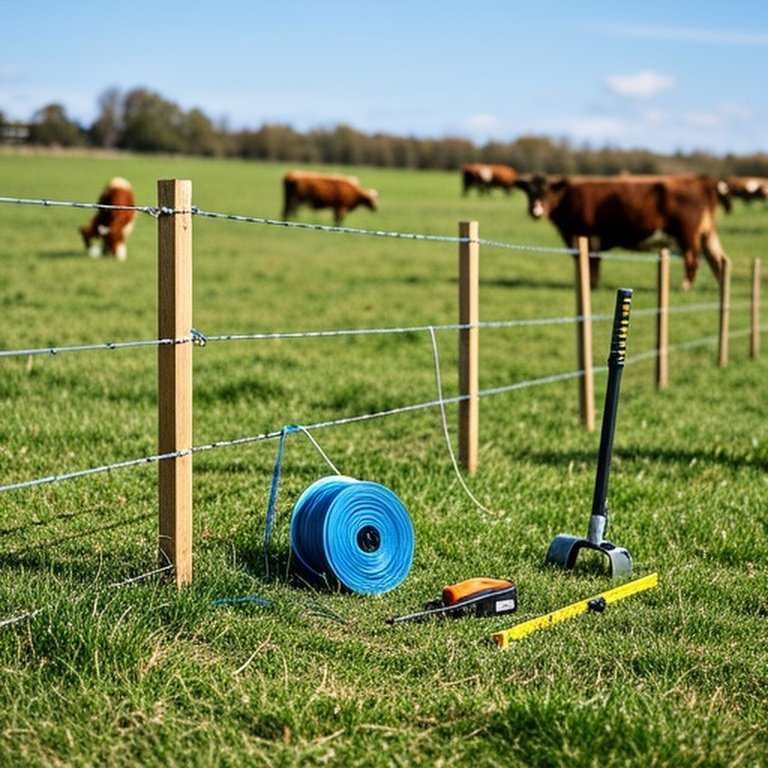
Fence labor is one of the largest line items in any fencing budget, sometimes matching or exceeding material costs. This makes DIY installation very appealing, especially for farmers, ranchers, and landowners working with tight margins. However, many DIY projects fail to deliver real savings due to underestimated time, tool costs, or installation mistakes.
Understanding when DIY fencing actually saves money—and when it does not—helps you avoid false economies. A fence that looks cheaper upfront but fails early or requires constant repair can cost more than a professionally installed system over its lifespan. This question matters because it separates real savings from costly shortcuts.
Key Factors to Consider
- Fence type and technical complexity
- Terrain difficulty and soil conditions
- Access to proper tools and equipment
- Personal skill level and available labor time
- Long-term maintenance and repair risks
Detailed Explanation
DIY fence installation saves money primarily by removing labor costs, which often account for 30–60% of professional fence pricing. For simple layouts on flat ground—such as electric fencing or basic wire systems—DIY work can be highly cost-effective. Material costs remain the same, but sweat equity replaces paid labor.
However, savings are not guaranteed. Tool expenses add up quickly if you lack post drivers, augers, tensioners, or tractors. Renting equipment can narrow the gap between DIY and professional installation, especially for large or complex projects. Time is another hidden cost. What a professional crew completes in days may take a DIY installer weeks, delaying pasture use or livestock movement.
Installation quality is where many DIY projects lose money long-term. Improper post depth, weak corner bracing, uneven tension, or poor grounding can cause early failures. These issues lead to sagging fences, livestock escapes, and repeated repairs—often costing more than hiring a professional initially.
Fence type matters greatly. Electric fencing is more forgiving and DIY-friendly, allowing wider post spacing and simpler construction. High-tensile or woven wire systems demand precision and experience, especially at corners and gates. Errors here compound over time and increase maintenance costs.
In short, DIY fencing saves money when the design is simple, the installer is prepared, and quality is not sacrificed. When complexity increases, professional installation often becomes the cheaper option over the fence’s full lifespan.
Video Demonstration
How Cattle Behavior Affects This Choice
Livestock behavior directly influences whether DIY installation is a good financial decision. Calm, well-trained cattle place less physical stress on fences, making minor installation imperfections less costly. In these cases, DIY electric fencing performs well and requires minimal correction.
High-pressure or untrained cattle magnify every weakness. Poor tension, shallow posts, or weak corners quickly fail under pressure, leading to repeated repairs or full rebuilds. For herds that challenge boundaries, professional-grade installation often pays for itself by reducing failure rates.
DIY works best when animal behavior is predictable and fence respect is already established.
Calves vs Mature Cattle Considerations
Calves require more precise fence setup: lower wire heights, tighter spacing, and better grounding for electric systems. These details increase installation complexity and raise the risk of mistakes for inexperienced DIY installers.
Mature cattle are more forgiving, especially if trained to electric fencing. DIY projects aimed at mature animals tend to succeed more often and maintain savings over time.
If calves are part of the system, DIY savings shrink unless the installer has strong technical knowledge and patience.
Terrain, Visibility, and Pressure Zones
Terrain heavily influences DIY cost-effectiveness. Flat, open ground favors DIY installation with minimal equipment. Rocky soils, slopes, or wet areas demand more time, tools, and skill, reducing savings quickly.
Pressure zones—corners, gates, slopes, and water access points—require strong bracing and accurate installation. DIY mistakes here are expensive over time. Visibility improvements, such as tape or flags, slightly increase material cost but reduce failures and repairs, protecting DIY savings.
When This Works Well
- Simple fence layouts on flat terrain
- Electric fencing with wide post spacing
- Well-trained, low-pressure livestock
- Access to necessary tools and equipment
- Owners with time and basic construction skills
When This Is Not Recommended
- Complex woven wire or high-tensile systems
- Rocky, steep, or heavily wooded terrain
- High-pressure livestock or predator zones
- Projects with tight deadlines
- Installers lacking tools or experience
Alternatives or Better Options
Hybrid installation approach
Hire professionals for corners, gates, and bracing while installing straight runs yourself to balance cost and quality.
Professional installation for perimeters only
Use DIY for interior or temporary fencing while keeping critical boundaries professionally built.
Staged DIY installation
Spread work over time to reduce fatigue and mistakes, improving quality without increasing labor cost.
Cost, Safety, and Practical Notes
DIY fencing trades money for time, effort, and responsibility. Savings are real only when installation quality remains high. Poorly installed fences increase safety risks for livestock and people, especially when posts loosen or wires sag.
Budget not just for materials, but also tools, repairs, and potential rework. If a mistake requires rebuilding sections, DIY savings vanish quickly. In contrast, professional work often includes warranties or proven durability that reduces long-term expense.
The smartest DIY projects are conservative, well-planned, and honest about skill limits.
Quick Takeaway
DIY fence installation can save serious money—but only when simplicity, preparation, and quality align. When conditions are right, DIY wins. When they are not, the cheapest fence is often the one built correctly the first time.