Short Answer
Electric fences rarely start fires when properly installed and maintained. Certified energizers deliver low-energy, pulsed electricity that is not designed to generate heat or sparks. Fire risk is extremely low and typically linked to faulty equipment, poor grounding, vegetation contact, or non-certified power sources—not normal electric fence operation.
Why This Question Matters
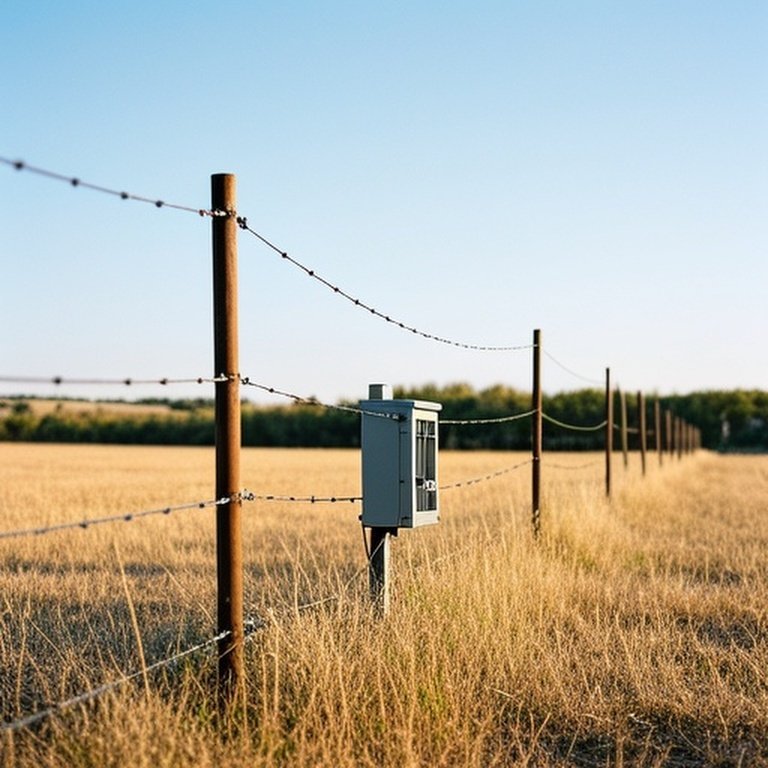
Fire risk is a serious concern for landowners, especially in dry climates, grazing land, or wildfire-prone regions. Because electric fences operate outdoors and often run through grass, brush, and debris, people naturally worry about sparks or heat buildup. This question matters because confusion can lead to unsafe decisions—either avoiding effective fencing or ignoring real risk factors like maintenance and vegetation control. A clear explanation helps users understand when electric fencing is safe, when it requires extra precautions, and what actually causes the rare fire-related incidents associated with fencing systems.
Key Factors to Consider
- Electric fences use low-energy pulses, not continuous current
- Fire risk increases with faulty wiring or damaged insulation
- Dry vegetation contact is a major contributing factor
- Certified energizers limit energy well below ignition thresholds
Detailed Explanation
Electric fences are not designed to produce heat or sparks capable of igniting fires. The energizer sends a short pulse of electricity along the wire, followed by a pause. This pulse carries very little energy and does not generate sustained heat. Under normal conditions, there is no flame, arc, or ignition source created by the fence itself.
When fires are linked to electric fencing, they almost always involve abnormal conditions. One common issue is heavy vegetation contact. Tall, dry grass pressing continuously against a live wire can cause repeated energy discharge at the same point. Over time, this can lead to localized heating, especially if the fence is poorly grounded or overloaded. Even then, ignition remains rare but possible under extreme dryness.
Another risk factor is faulty or improvised equipment. Non-certified energizers, continuous-current devices, damaged insulators, or exposed wiring can behave unpredictably. These systems may allow sustained current or arcing, which increases fire risk significantly. Properly rated energizers are specifically designed to prevent this scenario by limiting joule output and enforcing pulse timing.
Environmental conditions also matter. During droughts or wildfire season, even low-probability ignition sources deserve attention. However, it’s important to understand that electric fences are far less likely to start fires than machinery, vehicles, or unattended flames. With correct installation, vegetation control, and certified equipment, electric fencing remains a low-risk system even in dry environments.
Vegetation Contact and Fire Risk
Vegetation is the single most important factor in fence-related fire risk. Dry grass, weeds, or brush touching the live wire can repeatedly absorb energy. While each pulse is low energy, constant contact concentrates discharge at one location. This is more likely during late summer or drought conditions.
Routine mowing, spraying, or mechanical clearing dramatically reduces this risk. Keeping fence lines clear improves fence performance and safety at the same time. Vegetation management is far more effective than reducing voltage when it comes to fire prevention.
Equipment Quality and Installation Choices
Certified energizers are designed to fail safely. They limit pulse energy and shut down or regulate output under abnormal loads. Improvised chargers, vehicle batteries, or modified power supplies bypass these safeguards.
Insulators also matter. Cracked or degraded insulators can allow arcing near posts or debris. Proper installation spacing and routine inspection prevent small faults from becoming fire hazards.
Climate, Terrain, and Pressure Zones
Dry climates, windy conditions, and sloped terrain increase fire spread risk—but not ignition risk by themselves. The fence becomes a concern only when combined with dry fuel and equipment faults.
Pressure zones such as corners, gates, and low spots collect debris and vegetation. These areas should receive extra attention during fire season to prevent buildup.
When This Works Well
- Certified energizers with regulated pulse output
- Fence lines kept clear of dry vegetation
- Regular inspection during dry seasons
- Proper grounding and intact insulation
When This Is Not Recommended
- Improvised or continuous-current power sources
- Heavy dry vegetation left in constant contact
- Damaged insulators or exposed wiring
- Neglected systems during drought conditions
Alternatives or Better Options
In high wildfire-risk zones, combining electric fencing with physical barriers can reduce reliance on energized wires alone. Seasonal de-energizing of unused lines during extreme drought may also be appropriate.
Low-impedance, well-regulated energizers paired with aggressive vegetation control provide the best balance of safety and performance. These options prioritize predictability rather than power.
Cost, Safety, and Practical Notes
Electric fencing is inexpensive to operate, but fire prevention requires modest ongoing maintenance. Vegetation control and inspection add small recurring costs that significantly reduce risk. Cutting these corners is the most common contributor to fence-related fire concerns.
From a practical standpoint, increasing voltage does not reduce fire risk and may worsen vegetation discharge. Stable grounding, clean fence lines, and certified equipment provide far better protection. Compared to other rural ignition sources, electric fencing remains a low-risk option when managed responsibly.
Common Myths and Safety Facts
Quick Takeaway
Electric fences do not normally start fires. Fire risk comes from poor maintenance, faulty equipment, and dry vegetation contact—not from the fence design itself. Prevention is simple and effective.