Short Answer
Yes, electric fencing can be used for perimeter boundaries, but only if it is properly designed, well-maintained, and suitable for your livestock and risk level. In high-traffic or high-liability areas, electric fencing is often best used to reinforce a physical fence rather than serve as the only perimeter barrier.
Why This Question Matters
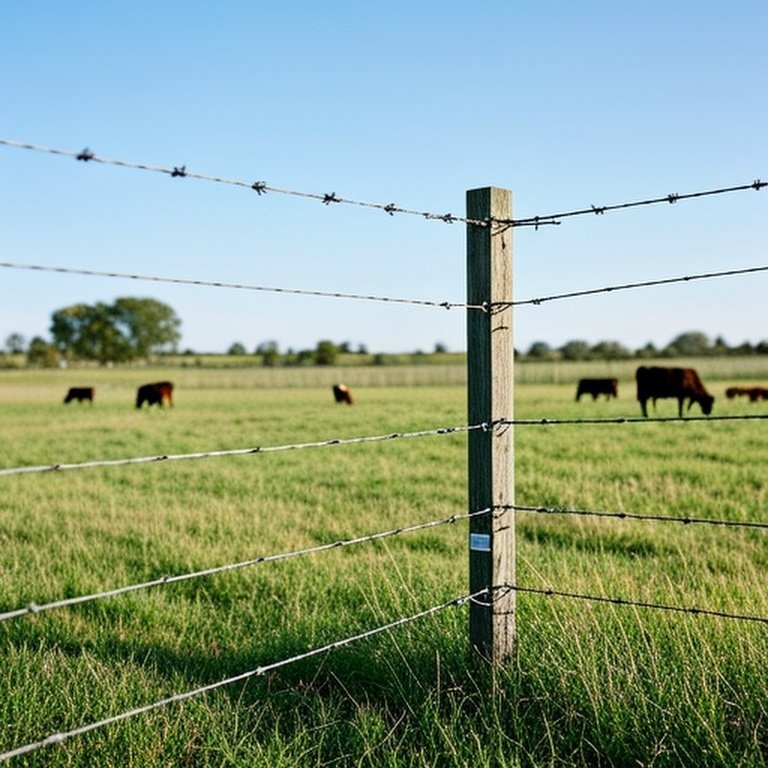
Perimeter fencing is your primary containment line. If it fails, livestock can escape onto roads, neighboring properties, or sensitive land, creating safety hazards and legal exposure. Electric fencing relies on psychological deterrence rather than physical strength, which makes its suitability for perimeter use highly dependent on maintenance, power reliability, and animal training.
Many producers consider electric fencing for perimeter use because it is cost-effective and easier to install than woven wire or board fencing. However, perimeter fencing carries more responsibility than interior cross fencing. A system that works well inside a secure boundary may not provide the same level of reliability at the property edge.
Understanding where electric fencing works—and where it does not—helps prevent expensive mistakes.
Key Factors to Consider
- Livestock species and their respect for electric shock
- Road exposure and public safety risk
- Predator pressure in your region
- Power supply reliability and grounding quality
- Local fencing laws and liability standards
Detailed Explanation
Electric fencing works through behavioral conditioning. Animals learn to avoid contact after experiencing a controlled electric pulse. For interior grazing systems, this psychological barrier is often sufficient because animals are already within a secure perimeter.
When used as a perimeter boundary, the stakes are higher. If power fails, grounding weakens, or vegetation shorts the line, the fence loses effectiveness. Unlike woven or board fencing, it does not provide continuous physical resistance. This makes regular inspection and maintenance essential.
In low-risk environments—such as large rural properties with minimal road exposure and well-trained livestock—multi-strand high-tensile electric fencing can serve successfully as a perimeter. Proper corner bracing, adequate energizer capacity, and consistent voltage (typically 4,000–6,000 volts depending on species) are critical.
However, in high-liability situations—near highways, suburban edges, or areas with heavy predator activity—electric fencing alone may not provide sufficient security. In these cases, combining physical fencing with an electrified strand offers better long-term reliability.
Electric fencing can work on the perimeter, but it requires disciplined management and honest assessment of risk.
Extended Practical Considerations
How Cattle Behavior Affects This Choice
Cattle generally respect electric fencing once trained, especially multi-strand high-tensile systems. However, animals under stress or crowd pressure may challenge the fence, particularly along boundary lines.
Perimeter fencing must account for worst-case pressure scenarios, not average behavior.
Calves vs Mature Livestock Considerations
Young calves may slip under or through improperly spaced electric strands. Additional lower wires may be necessary.
Mature breeding bulls may test fences more aggressively, especially near neighboring livestock.
Terrain, Visibility, and Pressure Zones
Electric fencing performs best on clear lines with minimal vegetation contact.
Perimeter boundaries that cross wooded, brushy, or uneven terrain require more frequent maintenance to prevent grounding loss.
When This Works Well
- Large rural acreage with low road exposure
- Well-trained livestock accustomed to electric systems
- Strong energizer with proper grounding system
- Multi-strand high-tensile configuration
- Regular voltage monitoring and vegetation control
When This Is Not Recommended
- Properties bordering highways or residential areas
- Regions with high predator pressure
- Infrequent maintenance capability
- Unreliable power supply
- Newly introduced livestock unfamiliar with electric fencing
Alternatives or Better Options
Hybrid Perimeter System
Install woven or high-tensile physical fencing and add a hot wire for reinforcement. This combines physical strength with psychological deterrence.
Offset Electric Wire Addition
If you already have a physical fence, adding an offset electric strand reduces leaning and increases longevity.
Permanent High-Tensile Electric with Reinforced Corners
In low-risk areas, a well-braced multi-wire electric perimeter can be sufficient when properly engineered.
Cost / Safety / Practical Notes
Electric perimeter fencing is generally less expensive upfront than heavy woven wire or board fencing. However, it requires ongoing maintenance, reliable energizers, and vegetation management.
The primary trade-off is this: electric fencing reduces material cost but increases management responsibility. In high-liability environments, the long-term cost of escape risk may outweigh initial savings.
Always evaluate road proximity, predator activity, and legal responsibility before choosing electric-only perimeter fencing.
Quick Takeaway
Yes, electric fencing can serve as a perimeter boundary, but only when properly engineered, maintained, and matched to your risk level. In higher-risk environments, combining electric with physical fencing provides greater long-term security.