Short Answer
Yes, a neighbor can require you to remove or move your fence if it is built on their property, encroaches over the boundary, violates local laws, or unlawfully occupies a shared boundary. If the fence is entirely on your property and compliant, they generally cannot force removal.
Why This Question Matters
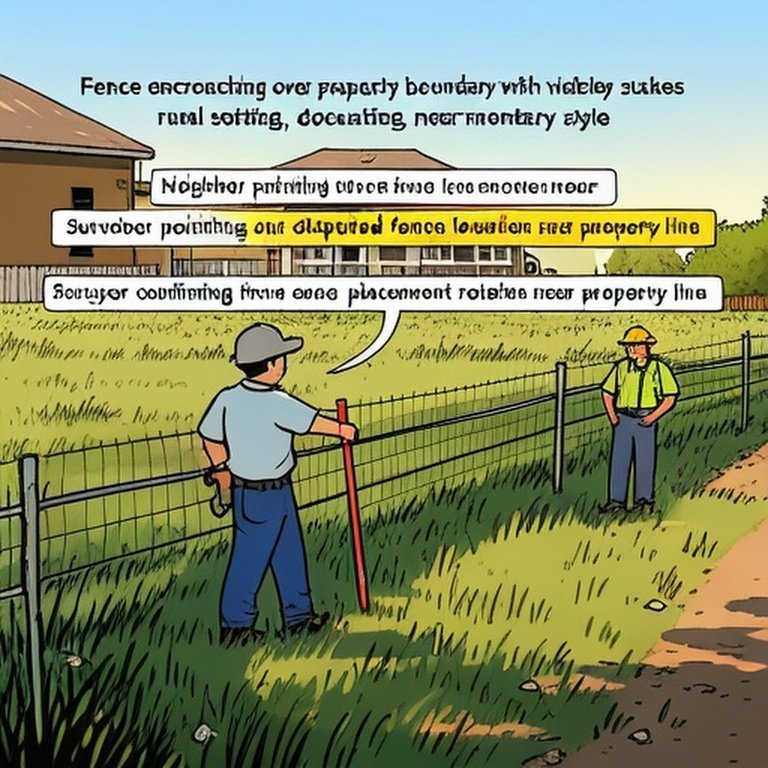
This question usually comes up when a fence is already built and tensions are high. Many owners assume that once a fence is installed, it is “final,” only to face objections months or years later. Acting on the wrong assumption can lead to forced removal, legal costs, or rushed decisions that weaken your position. For livestock owners, sudden fence removal can also create safety and containment risks. Understanding when a neighbor can and cannot compel action helps you respond correctly instead of reacting under pressure.
Key Factors to Consider
- Whether the fence crosses or sits on the property line
- Accuracy and legal validity of boundary evidence
- Local laws on encroachment and boundary fences
- How long the fence has been in place
- Whether formal complaints or legal notices exist
Detailed Explanation
A neighbor’s ability to force fence removal depends primarily on location and legality. If a fence is built on the wrong property line or encroaches onto neighboring land, the neighbor usually has the right to demand removal or relocation. Intent does not matter—good faith mistakes rarely protect against encroachment claims.
Fences built directly on the property line can also be vulnerable. In many jurisdictions, these are treated as shared or boundary fences. One neighbor cannot usually alter or remove a shared fence without agreement, but disputes may still lead to court-ordered changes if laws or agreements are violated.
If the fence is entirely within your boundary and complies with zoning, safety, and permit requirements, a neighbor generally cannot force you to move it simply because they dislike it. However, violations of height limits, material restrictions, or safety rules can still trigger enforcement that results in removal.
Time adds complexity. Long-standing fences may raise arguments about acquiescence or adverse possession, but these claims are uncertain and location-specific. In practice, clear boundary proof and legal compliance are what determine outcomes—not opinions or assumptions.
Informal Demands vs Legal Authority
Not every demand carries legal weight. A neighbor’s verbal complaint does not automatically require action. However, written demands, survey evidence, or notices from authorities signal increased risk. Understanding the difference helps you respond appropriately instead of overreacting or ignoring a serious issue.
Boundary Evidence and Burden of Proof
When disputes escalate, evidence matters more than arguments. Surveys, deeds, and official records typically determine outcomes. If a neighbor can prove encroachment, removal is likely. If you can prove correct placement, demands usually fail. Unverified assumptions weaken both sides.
Livestock and Safety Implications
For livestock properties, forced fence removal can create immediate operational risks. Temporary containment, alternate fencing, or staged relocation may be necessary while disputes are resolved. Safety planning is part of responsible response, not an afterthought.
When This Works Well
- The fence is clearly inside your surveyed boundary
- Placement complies with all local regulations
- Boundary evidence is recent and documented
- Disputes are addressed calmly and early
When This Is Not Recommended
- Ignoring formal notices or survey evidence
- Moving the fence before confirming boundaries
- Assuming long-term existence guarantees legality
- Allowing livestock risks during dispute resolution
Alternatives or Better Options
Boundary Verification Before Response
Confirming boundaries before taking action prevents unnecessary concessions or escalation.
Negotiated Adjustments or Agreements
In close cases, written agreements can avoid litigation and preserve neighbor relations.
Private Interior Fencing
Relocating fences inside your boundary provides full control and long-term certainty.
Cost / Safety / Practical Notes
Fence removal or relocation often costs significantly more than initial installation, especially with tensioned or electric systems. Legal disputes add indirect costs: time, stress, and delayed operations. Safety risks increase when fences are altered under pressure, particularly where livestock or public access is involved. Practically, fences built with clear boundaries and compliance are rarely challenged successfully.
📍 Video Demonstration
Quick Takeaway
A neighbor can only force fence removal when the fence is legally wrong, not simply unwanted.