Short Answer
Yes, one person can install a farm fence alone, especially for shorter runs or lighter fencing types like woven wire or electric fence. However, the process is slower and physically demanding. Structural elements such as corner braces and wire stretching are significantly easier—and safer—with at least one helper.
Why This Question Matters
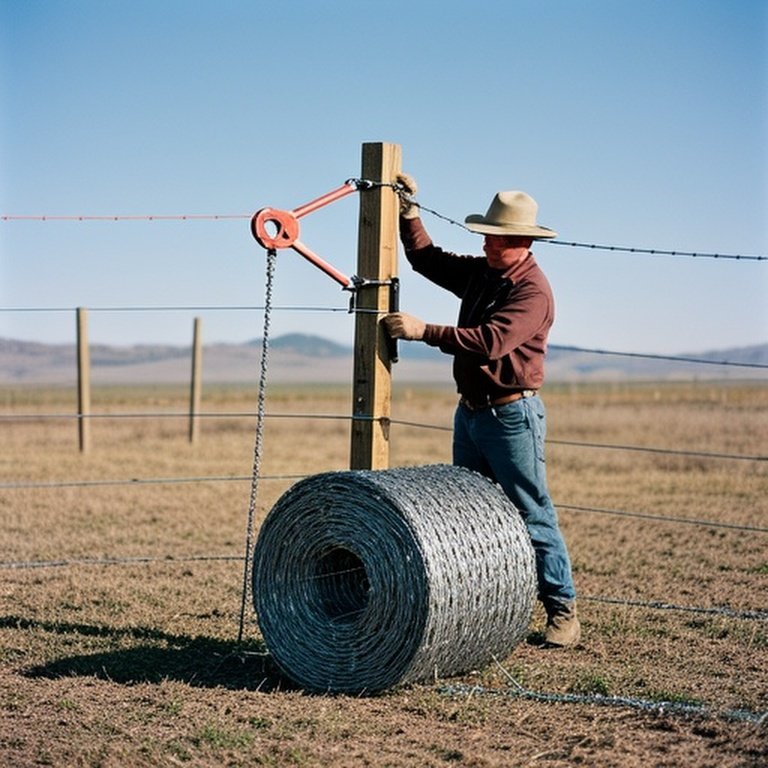
Many small landowners and farmers work alone. Hiring help increases costs, and coordinating schedules can delay projects. The ability to install fencing solo offers flexibility and reduces labor expenses.
But farm fencing is physical work. Posts are heavy. Wire rolls can weigh over 100 pounds. Tensioning systems store significant force. Mistakes made while working alone—such as improper bracing or unsafe stretching—can compromise both fence durability and personal safety.
Understanding what parts of fence installation can realistically be handled solo helps you decide whether to proceed alone, split the work into phases, or bring in help for critical steps.
The goal is not just completing the fence—but completing it safely and structurally sound.
Key Factors to Consider
- Fence type affects solo difficulty level
- Corner and brace construction requires precision
- Wire rolls can be heavy and awkward
- Terrain increases solo workload significantly
- Proper tools reduce physical strain
Detailed Explanation
Installing a farm fence alone is possible, but the challenge depends on the fence type and terrain. Setting line posts is manageable for one person with a post driver or auger. Measuring and marking layout can also be done solo with planning and patience.
The most difficult part is structural bracing. Corners and end posts must resist thousands of pounds of wire tension. Constructing H-braces or diagonal braces requires accurate alignment and firm anchoring. While one person can build braces, it takes more time to hold components in place while fastening them securely.
Wire installation presents another challenge. A full roll of woven wire is heavy and unwieldy. Solo installers often use homemade unrollers or mechanical aids to control the roll. Stretching wire properly without assistance requires ratchet strainers, come-alongs, or tractor-mounted stretchers. Attempting to stretch wire manually without equipment can lead to uneven tension or injury.
Time efficiency is the main trade-off. A single installer may complete 100–200 feet per day depending on conditions, while a two-person team may double that output. If you plan carefully, use proper tools, and accept slower progress, solo installation can be successful.
The key is working methodically and prioritizing structural integrity over speed.
How Cattle Behavior Affects This Choice
Cattle exert steady pressure on fences. Solo-built fences must be braced correctly to withstand leaning and rubbing.
If corners are weak, livestock will expose flaws quickly.
Calves vs Mature Cattle Considerations
Calves test bottom gaps. Improper solo tensioning can create sagging sections.
Mature cattle push harder. Structural strength matters more than speed of installation.
Terrain, Visibility, and Pressure Zones
Flat, open terrain favors solo work. Rocky soil, slopes, and wooded areas significantly increase difficulty.
Solo installation becomes more demanding in uneven or obstructed environments.
When This Works Well
- Smaller paddocks or interior cross fencing
- Electric fencing with lightweight materials
- Level terrain with soft soil
- Access to mechanical tensioning tools
- Flexible project timelines
When This Is Not Recommended
- Long perimeter fencing projects
- Heavy woven wire or field fence rolls
- Rocky or frozen ground
- High-pressure livestock environments
- Tight deadlines requiring fast completion
Alternatives or Better Options
Build Braces First, With Help
Have someone assist with corner and brace construction. Complete the remaining line posts and wire installation solo.
Use Mechanical Aids
Tractor-mounted stretchers, fence jacks, and rolling dispensers reduce physical strain and allow safer solo operation.
Install in Sections
Break the project into shorter runs. Complete each fully before starting the next to maintain tension control.
Cost, Safety, and Practical Notes
Working alone reduces labor costs but increases physical demand. Post drivers and wire tension systems store energy that can cause serious injury if mishandled. Always wear gloves, eye protection, and maintain stable footing during tensioning.
Fatigue also affects quality. Solo installers often rush at the end of long days, leading to misaligned posts or loose staples. Slower, controlled progress produces stronger fences.
Weather conditions matter. Wind makes wire handling difficult. Wet soil may cause posts to lean during setting.
In summary, one person can install a farm fence alone—but success depends on proper tools, careful pacing, and strong structural bracing.
Quick Takeaway
Yes, one person can install a farm fence alone. It requires more time, proper tools, and careful structural work—especially for braces and wire tensioning. Solo installation is realistic for smaller projects, lighter fencing, and level terrain. For large perimeter runs, having at least one helper significantly improves safety and efficiency.