
Why This Question Matters
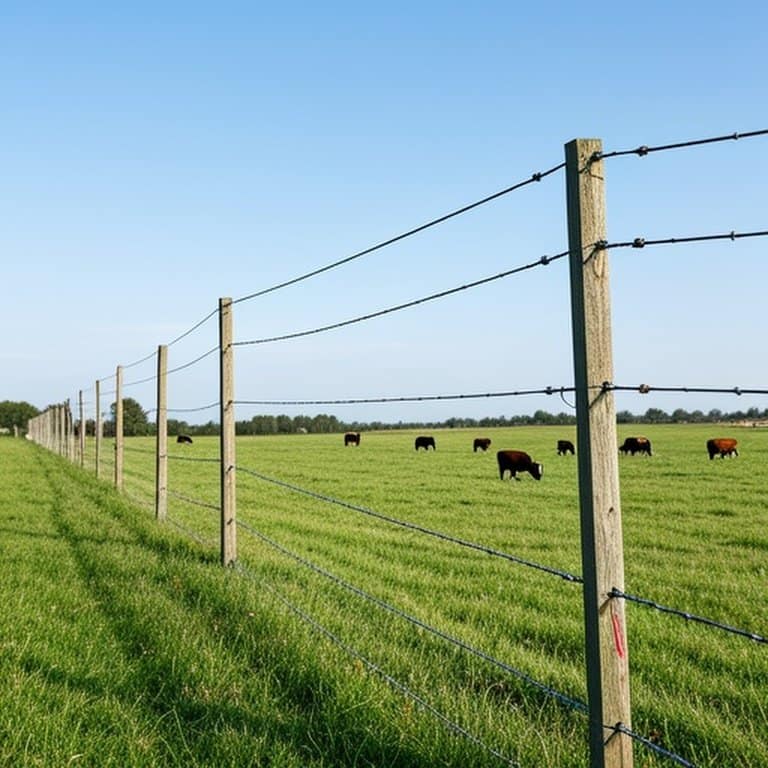
Perimeter fencing is the most important fence on any property—when it fails, consequences are immediate and costly. Many operators hesitate to use electric fencing on boundaries because they assume only physical fences are "secure enough." Others install electric perimeter fences incorrectly and conclude they don’t work. This question matters because permanent electric fencing can be an excellent perimeter solution, but only when expectations, design, and livestock behavior are aligned. Understanding when it works—and when it doesn’t—prevents costly mistakes and false assumptions.
Short Answer
Yes, permanent electric fencing can be used as a perimeter fence when it is properly designed, powered, and grounded. It works best where livestock are trained to electric fencing and long-term reliability is required. As a perimeter solution, it relies on psychological deterrence, not physical force, so consistency is critical.
Key Factors to Consider
- Livestock must be trained to respect electric fencing
- Fence voltage and grounding must remain consistent year-round
- Visibility and wire placement affect boundary respect
- External pressure (roads, neighbors, predators) increases risk
- Local laws may require physical boundary markers
Detailed Explanation
Permanent electric fencing can function effectively as a perimeter fence because animals respond to it psychologically rather than physically. Once livestock experience a strong, consistent shock, they learn to avoid the boundary visually. Over time, physical contact drops to near zero, which is why permanent electric fences often last decades without heavy wear.
However, this only works when the system is designed as a perimeter from the start. Boundary fences experience higher consequences from failure and must handle seasonal grounding changes, vegetation load, and pressure points such as corners, gates, and water access. Undersized energizers, weak grounding, or poor visibility quickly undermine perimeter reliability.
Another key distinction is what the fence is meant to contain—and exclude. Permanent electric fencing is very effective at keeping trained livestock inside. It is less effective as a physical barrier against untrained animals, wildlife, or human intrusion. For this reason, some perimeter systems use electric fencing alone, while others combine it with a physical fence for redundancy.
By the end of this explanation, the logic should be clear: permanent electric fencing works as a perimeter fence when it is treated as critical infrastructure, not a lightweight boundary. Its success depends on consistency, training, and correct design—not on wire thickness alone.
Video Demonstration
How Cattle Behavior Affects This Choice
Cattle behavior strongly supports electric perimeter fencing when animals are trained early. Once cattle associate the boundary with a reliable deterrent, they stop testing it altogether. This makes permanent electric fencing especially effective for calm, managed herds. Problems arise when cattle are introduced without training or when fence performance fluctuates. Inconsistent shocks teach cattle that boundaries can be challenged, which is unacceptable for perimeter use. Behavior consistency is just as important as fence strength.
Calves vs Mature Cattle Considerations
Calves adapt quickly to electric perimeter fences, but systems must be designed for mature cattle. Adult animals are heavier, more confident, and less forgiving of weak voltage. A perimeter fence that works for calves but fails later creates serious risk. Designing for mature livestock ensures long-term perimeter integrity without redesign.
Terrain, Visibility, and Pressure Zones
Perimeter fences often cross uneven terrain, tree lines, and access points. These areas require stronger posts, better grounding, and clear wire visibility. Gates, corners, and shared boundaries with neighbors experience higher pressure and should be reinforced. Visibility markers or additional strands often improve perimeter reliability.
When This Works Well
- Livestock are trained to electric fencing
- Fence voltage is consistently high
- Layout is long-term and stable
- External pressure is low to moderate
- Legal requirements allow electric perimeter fencing
When This Is Not Recommended
- Livestock are untrained or highly aggressive
- Frequent power outages occur
- Predator pressure is high
- Physical trespass prevention is required
- Local regulations prohibit electric-only boundaries
Alternatives or Better Options
In higher-risk environments, a hybrid perimeter often works best. Combining permanent electric fencing with woven wire, barbed wire, or high-visibility physical fencing provides redundancy. The electric fence trains livestock to avoid the boundary, while the physical fence serves as a backup barrier. This approach increases cost but greatly reduces failure risk.
Cost, Safety, and Practical Notes
Using permanent electric fencing as a perimeter typically costs less than full physical fencing, especially over long distances. However, perimeter use demands higher standards for grounding, energizer capacity, and maintenance. From a safety standpoint, electric perimeter fences are safe when properly installed but must be clearly marked for people and vehicles. The greatest risk is not voltage—it’s overconfidence. A perimeter fence must be designed for worst-case conditions, not average days.
Quick Takeaway
Yes—permanent electric fencing can be an effective perimeter fence, but only when designed for boundary-level reliability. Its strength lies in consistency and livestock training, not physical resistance. For higher-risk boundaries, combining electric and physical fencing offers the most secure solution.