Short Answer
Yes, poor grounding is one of the most common reasons electric fences fail. Without effective grounding, electrical energy cannot return to the energizer, causing fence voltage to drop sharply. Even a powerful charger will deliver weak or inconsistent shocks if the ground system is undersized, poorly installed, or placed in low-conductivity soil.
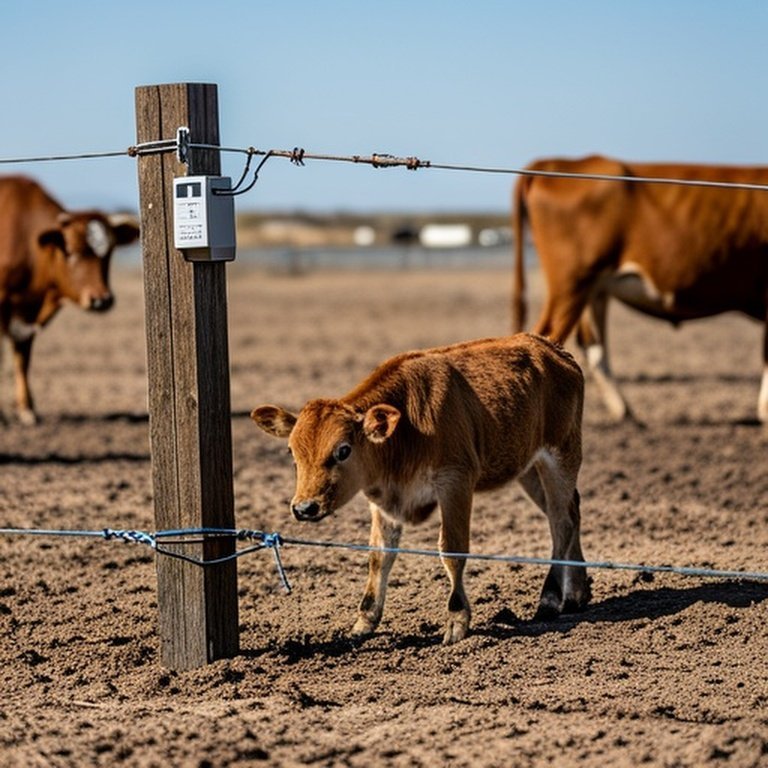
Why This Question Matters
Electric fence failures are often blamed on animals, chargers, or fence design when the real problem is underground. Poor grounding silently reduces voltage until livestock stop respecting the fence. Once animals learn the fence is unreliable, escapes increase and behavior becomes harder to correct. This leads to repeated troubleshooting, unnecessary equipment upgrades, and ongoing frustration. Understanding the role of grounding helps diagnose problems accurately and prevents wasted time and money. In most real-world failures, fixing the ground system restores performance without changing anything else.
Key Factors to Consider
- Grounding completes the electrical circuit required for an effective shock
- Dry, sandy, rocky, or frozen soil reduces grounding efficiency
- Too few or shallow ground rods limit energy return
- Poor connections increase resistance and voltage loss
- Seasonal soil changes can turn adequate grounding into failure
Detailed Explanation
An electric fence only works when electricity can complete a full circuit. Power leaves the energizer, travels through the fence wire, passes through the animal on contact, and returns through the soil and ground system. Poor grounding interrupts this process. When electricity cannot return efficiently, the shock felt at the fence is weak, even if voltage appears adequate near the energizer.
One of the most misleading aspects of poor grounding is that the fence may seem to work under certain conditions. Moist soil, short fence runs, or low vegetation load can temporarily mask grounding problems. When soil dries out, freezes, or vegetation increases, grounding performance drops suddenly. This leads to unexpected fence failure without any visible damage.
Animals quickly detect these inconsistencies. Instead of retreating immediately, they pause, lean, or push forward. Once they discover the fence does not consistently deliver a strong shock, they repeat the behavior. At this point, the fence has not just failed electrically—it has failed behaviorally. Even restoring voltage later may not fully reverse learned behavior.
Poor grounding is also frequently misdiagnosed. Operators often replace energizers, add wires, or increase voltage output without addressing the real issue. These changes provide little improvement because the limiting factor remains the ground system. In contrast, improving grounding—by adding rods, increasing depth, improving connections, or relocating rods to better soil—often restores full fence performance immediately. This is why grounding should always be checked first when diagnosing fence failure.
How Cattle Behavior Affects This Choice
Cattle apply slow, deliberate pressure when testing fences. Poor grounding creates weak or inconsistent shocks that allow cattle to continue forward instead of retreating. This teaches them that the fence can be challenged safely. Once this behavior starts, it spreads quickly through the herd. Strong, consistent grounding ensures that every contact delivers a clear deterrent, stopping testing behavior before it becomes a habit.
Calves vs. Mature Cattle Considerations
Calves often respond to weaker shocks, which can hide grounding problems early on. As animals mature, thicker hides and greater confidence reduce sensitivity to marginal grounding. A fence that worked for calves may fail completely with adult cattle. Designing grounding for mature animals prevents future escapes and eliminates the need to rebuild systems as livestock grow.
Terrain, Visibility, and Pressure Zones
High-pressure areas such as corners, gates, water points, and feeding zones place extra demand on grounding systems. Poor visibility or uneven terrain increases accidental contact, which still requires a strong shock. In dry or elevated terrain, grounding weaknesses appear sooner. These zones often reveal grounding failures before the rest of the fence shows problems.
When This Works Well
- Grounding is designed for worst-case soil conditions
- Multiple ground rods are properly spaced and driven deep
- Connections are corrosion-free and well maintained
- Voltage is tested regularly along the fence line
- Livestock are trained to respect electric fencing
When This Is Not Recommended
- Grounding relies on a single shallow rod
- Soil conditions are ignored during system design
- Fence performance is judged only near the energizer
- Seasonal changes are not considered
- Troubleshooting focuses only on energizer upgrades
Alternatives or Better Options
When soil conditions make grounding difficult, increasing grounding capacity is usually more effective than increasing voltage. Adding more ground rods, driving them deeper, or relocating them to wetter soil improves performance. In extreme conditions, installing a ground-return wire system reduces dependence on soil conductivity. These options provide consistent results without increasing system stress.
Cost, Safety, and Practical Notes
Fixing grounding issues often costs less than repeated fence failures. While adding rods and wire requires upfront investment, it prevents ongoing losses from escapes, damaged fences, and labor. From a safety standpoint, poor grounding is more problematic than high voltage because it creates unpredictable fence behavior. Proper grounding ensures the fence operates within its intended design and delivers consistent, safe deterrence. In most cases, grounding improvements offer the highest return on investment in electric fence systems.
Understanding Grounding System Failures
Quick Takeaway
Yes—poor grounding alone is enough to make an electric fence fail. Without an effective ground system, voltage drops, shocks weaken, and livestock learn the fence can be ignored. Fixing grounding restores reliability faster than any other adjustment.