Short Answer
Yes, sheep can be successfully contained with electric fencing when it is designed specifically for sheep behavior. Electric fencing works best when using multiple low wires, adequate voltage, and consistent maintenance. While it is not a universal solution for every operation, properly installed electric fencing is widely used for both permanent and rotational sheep systems.
Why This Question Matters
Electric fencing is often recommended for livestock, but sheep present a unique challenge. Many producers try electric fencing after hearing it works well for cattle, only to watch sheep push through it with little hesitation. Others avoid electric fencing entirely, assuming wool makes it ineffective. Both assumptions lead to costly mistakes. This question usually comes up when planning rotational grazing, reducing material costs, or improving predator control without building heavy permanent fences. Understanding whether electric fencing can actually hold sheep—and under what conditions—prevents failed installations, repeated escapes, and unnecessary upgrades to heavier fencing systems.
Key Factors to Consider
- Sheep wool reduces shock contact unless wire height and spacing are carefully designed
- Electric fencing relies on training and voltage consistency, not physical strength
- Fence effectiveness depends on wire placement near nose height
- Predator pressure changes how electric fencing performs for sheep
- Maintenance requirements are higher than for rigid physical fencing
Detailed Explanation
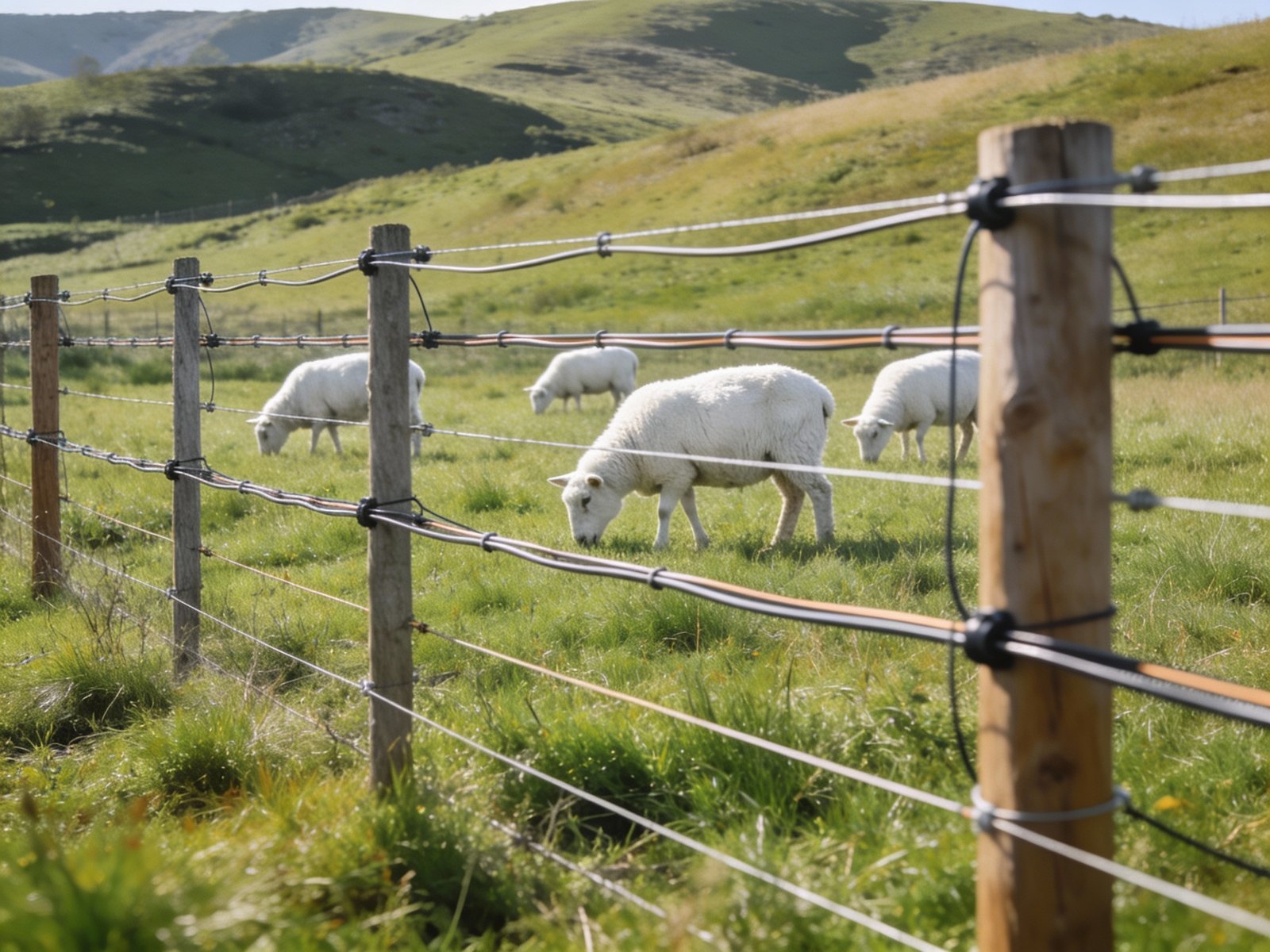
Electric fencing can contain sheep, but it must be built with sheep-specific behavior in mind. Unlike cattle, sheep are less sensitive to poorly placed electric wires because their wool insulates them from light contact. If the wire sits too high or voltage drops, sheep will push through with little resistance. This is why single-strand or cattle-style electric fencing almost always fails for sheep. Effective electric fencing uses multiple strands placed low enough to contact the nose or face, where wool coverage is minimal.
Another critical factor is training. Sheep that encounter electric fencing for the first time without proper voltage often learn they can challenge it safely. Once this behavior is learned, even a well-built fence becomes less effective. Successful systems introduce sheep to a properly charged fence in a controlled setting so they associate the fence with discomfort immediately. After training, sheep are far less likely to test the boundary again.
Electric fencing excels in systems where flexibility matters more than permanence. Rotational grazing, temporary paddocks, and predator deterrence all benefit from electric fencing’s adaptability. However, it is not a “set and forget” solution. Vegetation control, grounding quality, and regular voltage checks are essential. When voltage drops, sheep are usually the first livestock to exploit the weakness.
The core reason electric fencing works for sheep is psychological, not physical. When the fence delivers a reliable shock at the right height, sheep respect it. When it does not, they ignore it completely. This makes proper design and maintenance non-negotiable for success.
How Sheep Behavior Affects Electric Fence Design
Sheep tend to move as a flock and follow leaders closely. If one animal pushes through a weak fence, others often follow. Electric fencing must discourage the first attempt. Multiple low wires prevent sheep from ducking under, while consistent voltage stops them from testing the fence repeatedly. Systems designed for cattle fail because they ignore these behavioral patterns.
Permanent vs Temporary Electric Fencing
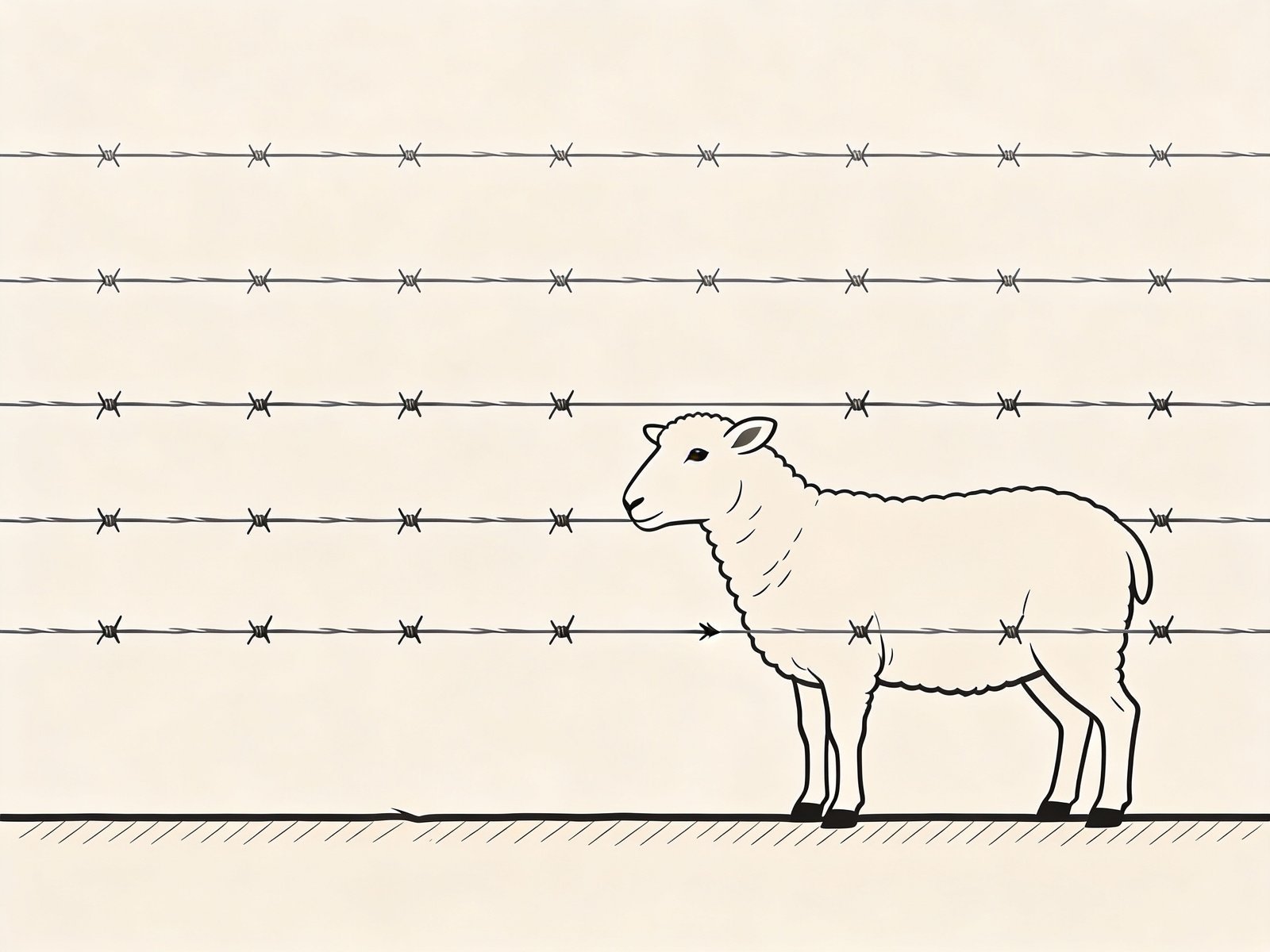
Permanent electric fencing for sheep often combines high-tensile wire with multiple energized strands. Temporary or portable fencing, such as electric netting, is commonly used for rotational grazing. Both can work well, but temporary systems require more frequent checks and careful setup to maintain tension and grounding.
When This Works Well
- Sheep are properly trained to electric fencing before full pasture use
- Multiple low wires are used to ensure nose contact
- Voltage is kept consistently high with good grounding
- Fence lines are checked and maintained regularly
- Electric fencing is paired with grazing management rather than perimeter-only containment
When This Is Not Recommended
- Sheep have already learned to push through weak fences
- Vegetation control is poor and shorts are frequent
- Predator pressure is extremely high without backup fencing
- Voltage cannot be maintained consistently
- Fencing is expected to work without regular inspection
Alternatives or Better Options
Woven Wire with Electric Offset
A physical woven wire fence combined with one or two electric offset wires offers stronger containment and predator resistance while reducing pressure on the electric system.
Electric Netting Systems
Portable electric netting provides full-height deterrence and is easier to deploy for small flocks or intensive rotation, though it requires careful grounding and setup.
Permanent Physical Fencing
In high-pressure or long-term perimeter applications, physical fencing may be more reliable than electric-only systems, especially where maintenance access is limited.
Cost, Safety, and Practical Notes
Electric fencing is often cheaper to install than woven wire or board fencing, but it shifts cost toward maintenance and management. Energizers, grounding systems, and vegetation control all affect long-term performance. From a safety perspective, modern electric fencing is safe for sheep and handlers when installed correctly. Practically, the biggest risk is underestimating how quickly performance drops when voltage declines. Producers who succeed with electric fencing tend to monitor it closely and adjust as conditions change. In real-world use, electric fencing rewards attention and consistency more than brute strength.
Video Demonstration
This video shows how multi-wire electric fencing and electric netting are used in real sheep grazing systems, including wire height, spacing, and training setups.
Quick Takeaway
Sheep can be reliably contained with electric fencing, but only when the system is designed, powered, and maintained specifically for sheep behavior—not cattle assumptions.