Short Answer
Yes, you can splice or patch a broken fence wire if the surrounding wire is still structurally sound. Use proper wire joiners, crimp sleeves, or a secure hand-twisted splice to restore tension and strength. However, severely corroded, repeatedly broken, or high-stress sections may require full wire replacement instead of patching.
Why This Question Matters
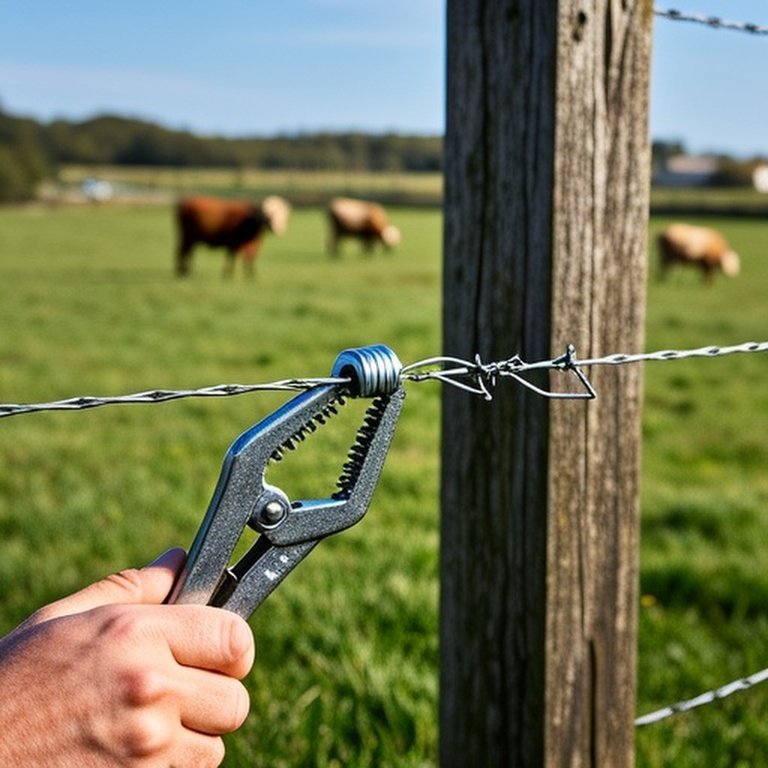
A broken fence wire can quickly compromise livestock containment and increase stress on nearby posts and braces. Even a small break changes tension distribution along the fence line, allowing sagging or widening gaps. For electric fencing, a break can also interrupt current flow entirely.
Many landowners prefer patching over replacing full sections because it is faster and less expensive. But improper splicing can weaken the entire line and create future failure points. Knowing when a splice is structurally sound—and when replacement is safer—helps maintain fence integrity without overspending or creating recurring repair issues.
Key Factors to Consider
- Type of wire (barbed, woven, high-tensile, electric)
- Location of break along tension span
- Degree of corrosion near damaged area
- Proper tension restoration after repair
- Livestock pressure in that section
Detailed Explanation
Splicing works best when the break is isolated and the rest of the wire is in good condition. If corrosion is minimal and the wire has not lost significant tensile strength, reconnecting the ends can restore structural performance. The key is maintaining proper tension and using the correct joining method for the wire type.
For high-tensile smooth wire, crimp sleeves with a proper crimping tool provide the strongest and most reliable repair. Hand twisting may work in low-tension applications, but poorly twisted joints can slip over time. Barbed wire requires careful alignment so barbs do not interfere with tight wrapping, while woven wire often requires tying individual horizontal strands securely.
Tension must be restored evenly after splicing. Simply tying the wire without re-stretching may leave the fence sagging. Use a fence stretcher or come-along to apply correct tension before completing the splice. Uneven tension increases strain on adjacent posts and can create secondary failures.
If the wire shows widespread rust or multiple weak spots, patching may only delay inevitable replacement. In long spans under heavy livestock pressure, replacing the entire section may provide greater long-term stability and lower maintenance costs.
By this point, the principle should be clear: splicing is effective when done correctly and in structurally sound sections, but it is not a substitute for replacing compromised fencing.
How Cattle Behavior Affects This Choice
Cattle apply significant lateral force when pushing or rubbing against fences. A spliced section in a high-pressure area must be especially secure. If the break occurred near feeding zones or corners, reinforcing nearby posts or adding an offset electric strand can reduce repeated stress on the repaired wire.
Calves vs Mature Cattle Considerations
Calves typically exert less pressure, making a properly executed splice sufficient in many cases. Mature cattle, however, can stress repaired joints quickly. In adult cattle enclosures, use professional-grade crimp sleeves or heavy-duty joiners to prevent slippage or re-breakage.
Terrain, Visibility, and Pressure Zones
On slopes or uneven terrain, tension distribution varies along the span. Breaks in downhill sections may result from increased strain. Repairing these areas may require adjusting brace assemblies or improving post stability in addition to splicing the wire itself.
When This Works Well
- Single clean break in otherwise healthy wire
- Low to moderate livestock pressure
- Proper tensioning tools available
- Minimal corrosion around break
- Short span between stable posts
When This Is Not Recommended
- Extensive rust or brittle wire along fence line
- Multiple break points within short distance
- High-tensile fence without proper crimp tools
- Corner or brace section under extreme load
- Electric fence with damaged insulation
Alternatives or Better Options
Replace Entire Wire Section
If corrosion is widespread, replacing the full span prevents recurring failures and improves overall tension consistency.
Upgrade to High-Tensile Wire
Switching to high-tensile galvanized wire reduces stretch and breakage frequency, especially in livestock-heavy areas.
Add Reinforcement or Offset Electric Line
Installing an electric offset discourages animal pressure and reduces mechanical stress on repaired sections.
Cost, Safety, and Practical Notes
Splicing is generally inexpensive and fast compared to full replacement. Crimp sleeves and joiners are low-cost, but proper tensioning tools are essential. Attempting repairs without tension control may lead to loose fencing and secondary strain on posts.
Wire under tension can snap violently during repair. Always release or control tension before cutting or joining broken ends. Wear gloves and eye protection, especially when handling barbed wire.
Repeated patching in the same section often indicates underlying structural issues such as weak posts or chronic livestock pressure. Addressing root causes reduces long-term maintenance costs.
Quick Takeaway
Yes, you can splice or patch a broken fence wire if the surrounding wire is strong and properly tensioned. Use the correct joining method for your wire type and restore even tension. When corrosion or repeated failure is present, replacing the section is usually the safer long-term solution.