Short Answer
The most common chicken fencing mistakes include relying on weak materials, ignoring fence bottoms, assuming height stops predators, and underestimating daily maintenance needs. Many failures happen not because fences are too short or too cheap, but because they are poorly designed for chicken behavior and predator pressure. Avoiding these mistakes dramatically improves flock safety and containment.
Why This Question Matters
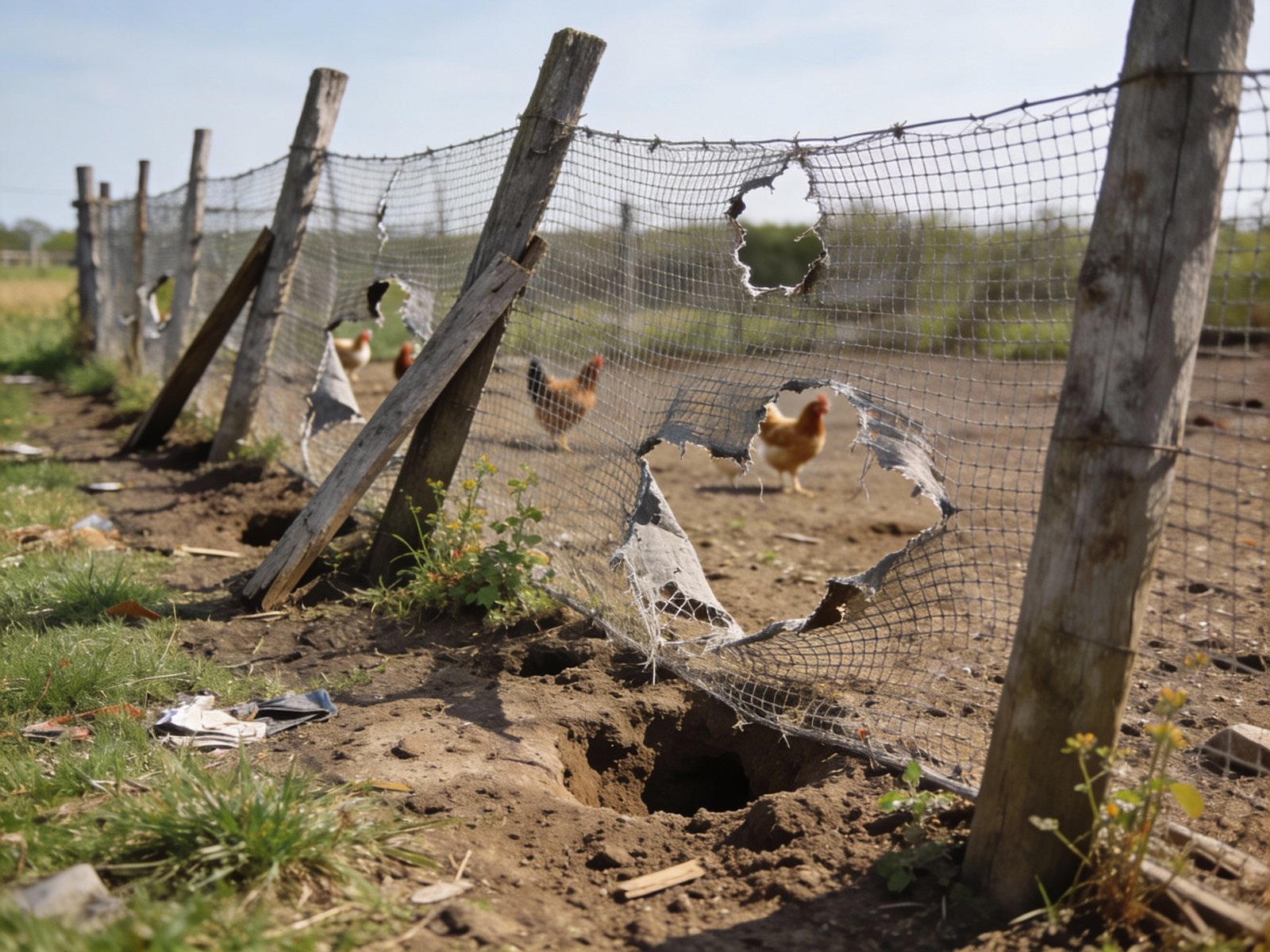
Most chicken fencing failures are not caused by extreme conditions, but by small, repeated design errors that compound over time. New chicken keepers often copy fencing ideas meant for other livestock, trust product labels without understanding limitations, or focus on visibility instead of function. The result is escaped birds, predator losses, constant repairs, or unnecessary upgrades. This question usually appears after something has already gone wrong—missing chickens, bent wire, dug-out fence lines, or neighbors complaining. Understanding the most common mistakes upfront helps people spend money where it actually matters and avoid learning expensive lessons the hard way.
Key Factors to Consider
- Chickens test fences differently than larger livestock
- Predators exploit fence bottoms more than fence height
- Material strength matters less than layout and tension
- Maintenance frequency determines long-term fence success
- Fence design must match predator pressure, not assumptions
Detailed Explanation
One of the most common chicken fencing mistakes is using materials that are designed for visibility rather than strength. Chicken wire, lightweight mesh, or decorative fencing may keep chickens visually contained, but they offer little resistance to predators that pull, chew, or climb. Many keepers discover this only after a nighttime loss.
Another frequent error is focusing on fence height while ignoring the bottom edge. Chickens rarely escape by flying straight up and over a fence, but predators almost always attack at ground level. Gaps caused by uneven soil, erosion, or poor anchoring are the primary failure points. A tall fence with a weak bottom is far less effective than a shorter fence that is properly secured to the ground.
People also commonly assume fences are “set and forget.” In reality, chicken fencing—especially electric or portable systems—requires regular inspection. Vegetation growth, shifting posts, weather damage, and power loss all reduce effectiveness over time. Small issues left unattended quickly become escape routes.
Another mistake is expecting one fence to solve every problem. Containment, predator exclusion, and rotational management often require different design priorities. A fence that works well for daytime ranging may not be sufficient for nighttime protection, which is why secure coops and layered systems matter.
Finally, many failures come from mismatched expectations. Portable or low-cost fencing can work extremely well when used correctly, but it cannot replace permanent perimeter fencing in high-pressure environments. The most successful chicken fencing systems are built around realistic use, not marketing claims.
Common Mistakes
Mistake 1: Treating Chicken Fencing Like Livestock Fencing
Chickens interact with fences differently than cattle, sheep, or goats. They slip through gaps, squeeze under loose edges, and attract smaller predators that larger livestock fencing never encounters. Applying cattle-fence logic to chickens often leads to oversized wire spacing, insufficient bottom protection, and false confidence in height alone. Chicken fencing must be designed around vulnerability, not strength.
Mistake 2: Ignoring Predator Behavior Patterns
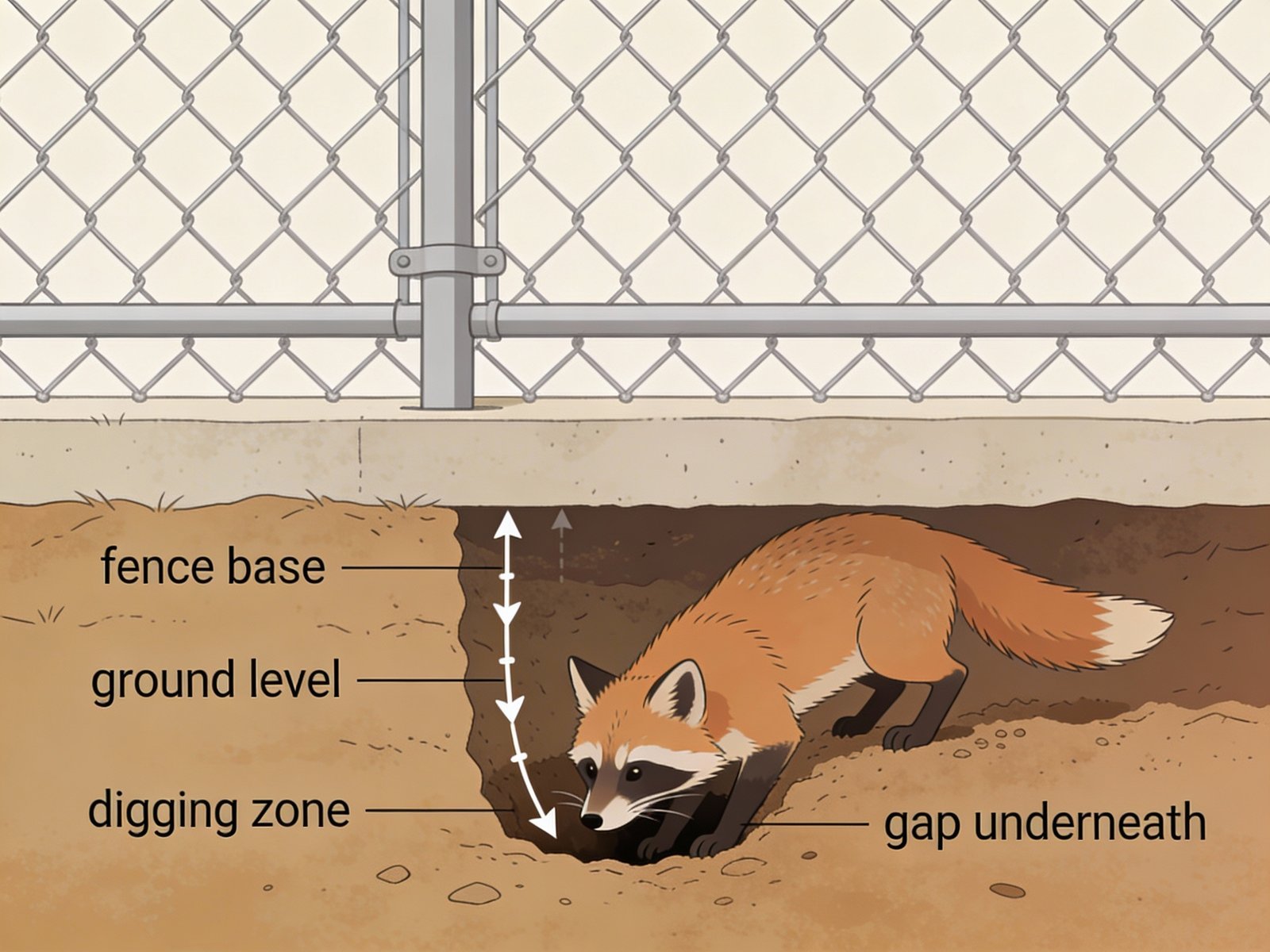
Most predators approach chicken enclosures quietly and at ground level. Digging, pulling, and squeezing are far more common than jumping. Fences that stop chickens but ignore predator access points fail quickly. Effective systems account for how predators test fences repeatedly, often finding weaknesses long before humans notice them.
Mistake 3: Underestimating Maintenance Requirements
Even well-built fences degrade without attention. Electric systems lose effectiveness when vegetation touches wires. Mesh loosens as posts settle. Weather changes soil contact. Successful chicken fencing assumes ongoing adjustment, not perfection at installation.
When This Works Well
- Fence design prioritizes bottom security over height
- Materials are chosen for predator resistance, not appearance
- Regular inspections are part of daily routines
- Fencing is paired with secure nighttime housing
- Expectations match the system’s intended use
When This Is Not Recommended
- Decorative or lightweight fencing is used alone
- Fence height is increased instead of fixing bottom gaps
- Predator pressure is underestimated or ignored
- Fencing is rarely inspected or maintained
- Portable systems are treated as permanent solutions
Alternatives or Better Options
Layered Fencing Systems
Combining physical barriers with electric deterrents addresses both containment and predator behavior.
Permanent Perimeter with Flexible Interiors
A strong outer fence paired with adaptable interior fencing balances security and management flexibility.
Improved Coop Security
Many fencing failures matter less when nighttime housing is truly predator-proof.
Cost, Safety, and Practical Notes
The most expensive chicken fences are often the ones rebuilt multiple times after preventable failures. Cutting costs on materials that affect bottom security or predator resistance usually leads to higher long-term losses. Safety improves when fencing systems are easy to inspect, repair, and understand. From a practical standpoint, the best fencing systems are not the tallest or most complex, but the ones that match real conditions, predator pressure, and the keeper’s ability to maintain them consistently.
This video demonstrates common chicken fencing failures and how proper setup and maintenance prevent them in real-world conditions.
Quick Takeaway
Most chicken fencing failures come from small design mistakes repeated over time. Secure the bottom, choose predator-resistant materials, inspect regularly, and match the fence to real conditions—not assumptions.