Short Answer
Fence projects become more expensive when budgets ignore real-world factors like fence length, terrain difficulty, post spacing, and future maintenance. Common mistakes include estimating by acreage instead of linear footage, underbuilding corners and gates, choosing the wrong fence type, and skipping contingency costs. These errors often lead to redesigns, repairs, or full rebuilds that double the original budget.
Why This Question Matters
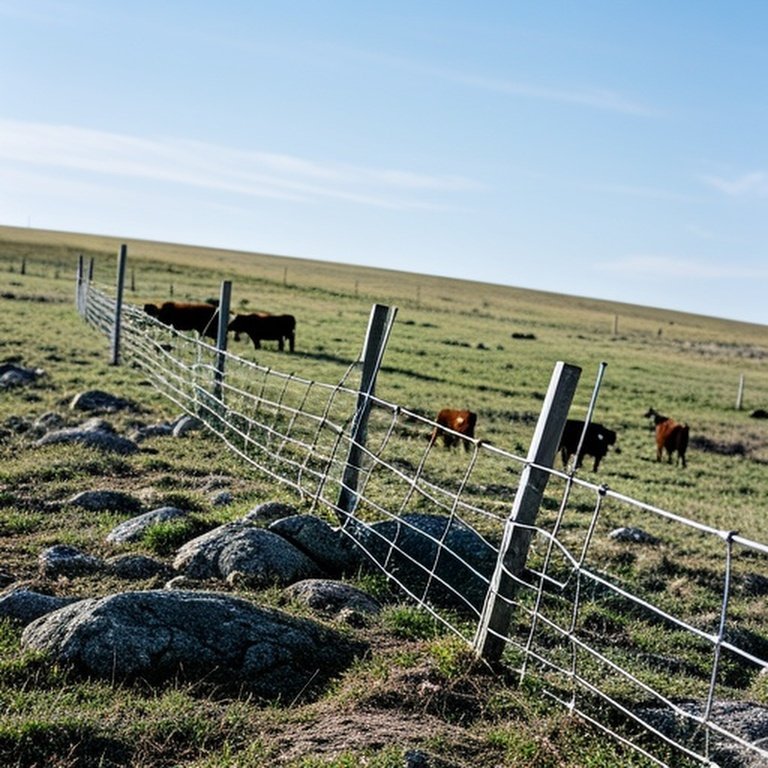
Many fencing projects go over budget not because materials suddenly cost more, but because planning mistakes were made early. Fence construction is unforgiving—once posts are set and wire is stretched, correcting errors is labor-intensive and expensive. A small budgeting oversight can snowball into major rework costs.
Understanding the most common budget mistakes allows landowners to plan accurately, avoid false savings, and invest money where it matters most. This question matters because good fencing is a long-term asset, while poorly budgeted fencing becomes a recurring expense that drains time, money, and confidence.
Key Factors to Consider
- Calculating fence cost by acreage instead of linear footage
- Underestimating labor and installation time
- Skipping proper corner, gate, and end bracing
- Choosing materials without considering livestock pressure
- Ignoring long-term maintenance and repair costs
Detailed Explanation
The most common budgeting mistake is estimating fence cost by acreage rather than linear distance. Fences are built by the foot, not by the acre. Irregular field shapes, extra corners, and access lanes can dramatically increase total fence length, even on small properties. This single error alone often causes major budget overruns.
Another costly mistake is underestimating labor. Whether hiring professionals or installing the fence yourself, labor is the largest expense. Difficult terrain, rocky soil, slopes, or vegetation increase installation time far beyond flat-ground estimates. DIY installers often overlook how much time post setting, bracing, and wire tensioning actually require.
Corners, gates, and end posts are frequently underbuilt to save money. These are the highest-stress points in any fence. Skipping proper bracing or using lighter materials leads to sagging lines and early failure. Repairs in these areas cost far more than building them correctly the first time.
Material selection mistakes also inflate costs. Choosing a fence type that does not match livestock behavior or pressure leads to constant repairs or upgrades. For example, using lightweight fencing for high-pressure cattle often results in broken posts, stretched wire, and repeated labor expenses.
Finally, many budgets ignore maintenance entirely. Every fence requires upkeep—vegetation control, tightening, replacing insulators, or fixing storm damage. Fences built without maintenance planning often fail prematurely, turning what seemed like a cheap option into the most expensive one over time.
Video Demonstration
How Cattle Behavior Affects This Choice
Livestock behavior is a major cost multiplier when ignored during budgeting. Calm, trained cattle place predictable pressure on fences, allowing simpler designs and wider post spacing. Budget mistakes occur when planners assume all animals behave the same.
High-pressure cattle test fences continuously. If budgets do not account for stronger posts, additional strands, or tighter spacing, failures are inevitable. Each repair adds labor and material costs that compound over time.
Budgeting without considering animal behavior often leads to spending twice—once to build, and again to fix.
Calves vs Mature Cattle Considerations
Calves require different fence specifications than mature animals. Budget mistakes happen when fences are built only for current livestock, ignoring future needs. Retrofitting fences for calves often means adding strands, lowering wires, or resetting posts.
These changes increase labor costs significantly compared to building correctly from the start. Mature cattle are more forgiving, but mixed-age herds demand more thoughtful planning.
Ignoring lifecycle livestock needs turns short-term savings into long-term expenses.
Terrain, Visibility, and Pressure Zones
Terrain is often underestimated during budgeting. Slopes, rocky soil, wetlands, and wooded areas slow installation and increase tool and labor requirements. Failing to account for this leads to rushed work or incomplete construction.
Pressure zones—corners, gates, water crossings, and slopes—require stronger materials and closer spacing. Visibility improvements like tape or flags add minor cost but reduce fence challenges and repairs.
Budgeting without accounting for pressure zones almost guarantees future repair expenses.
When This Works Well
- Simple, rectangular field layouts
- Flat or gently rolling terrain
- Well-trained livestock with low fence pressure
- Fence types matched to animal behavior
- Budgets that include contingency allowances
When This Is Not Recommended
- Highly irregular or fragmented properties
- Rocky, steep, or heavily wooded terrain
- High-pressure or mixed-age livestock
- Budgets focused only on upfront cost
- Projects without maintenance planning
Alternatives or Better Options
Design-first budgeting
Map fence lines, corners, and gates before pricing materials to avoid length underestimation.
Hybrid fence systems
Use stronger fencing only in high-pressure areas and lighter options elsewhere to control costs.
Phased construction
Build critical sections first and expand later, reducing financial strain and mistakes.
Cost, Safety, and Practical Notes
The most expensive fence is the one built twice. Budget mistakes often create safety risks for livestock and people, especially when fences fail unexpectedly. Escaped animals, damaged equipment, and emergency repairs quickly erase any initial savings.
Always include contingency funds for terrain challenges, weather delays, and design adjustments. Budgeting for maintenance is just as important as budgeting for construction. A well-built fence with planned upkeep costs less over its lifetime than a cheap fence that fails early.
Smart budgeting is not about spending less—it is about spending correctly.
Quick Takeaway
Fence budgets fail when planning stops at materials. Accurate budgeting accounts for layout, terrain, livestock behavior, pressure points, and long-term maintenance—before the first post goes in.